THE ADVENTURE COLLECTIVE® · Independent discovery and booking for outdoor travel

Visit two UNESCO caves near Puente Viesgo to see hand stencils and Magdalenian charcoal figures. This half-day small-group tour pairs archaeological significance with short village walks and Pas River views.
Visit two UNESCO caves near Puente Viesgo to see hand stencils and Magdalenian charcoal figures. This half-day small-group tour pairs archaeological significance with short village walks and Pas River views.
A low-slung vehicle pulls away from Santander and the valley opens: the Pas River presses silver against green slopes while the road tightens toward Puente Viesgo. The air cools and, at the cave entrance, the light narrows to a slit. Inside, the earth feels deliberate — stone that once held firelight now holds charcoal and red pigment, shadows of hands and sweeping strokes that challenge how long humans have been making mark and meaning.
Verified experiences and guided adventures in the surrounding area.
Operated by EXPLORING CANTABRIA · Puente Viesgo, Cantabria
A low-slung vehicle pulls away from Santander and the valley opens: the Pas River presses silver against green slopes while the road tightens toward Puente Viesgo. The air cools and, at the cave entrance, the light narrows to a slit. Inside, the earth feels deliberate — stone that once held firelight now holds charcoal and red pigment, shadows of hands and sweeping strokes that challenge how long humans have been making mark and meaning.
El Castillo and Las Monedas are UNESCO-listed for a reason: El Castillo preserves hand stencils and disk motifs among the oldest known in Europe, some dates suggesting art older than 40,000 years. Las Monedas presents later Magdalenian charcoal silhouettes and strong geological structure — limestone passageways shaped by millennia of water. The caves stand where Bronze Age settlement and medieval shepherding later threaded the valleys; Puente Viesgo still carries that working-rural character and a modest spa tradition.
Practically, the tour is a compact cultural hike and guided visit: expect roughly five hours door-to-door with two one-hour cave visits and a short village walk. The caves hold a steady 12°C, low light and narrow steps; flash photography and touching surfaces are prohibited to protect pigments and microclimate. Guides usually present in Spanish; English translation can be arranged on request.
Book early — group sizes are small and entrances capped to preserve the sites. Wear sturdy shoes, bring a light jacket, and plan extra time to walk the Pas riverside or visit the local church. The experience is less about spectacle and more about proximity: standing where hands were pressed to stone, you feel the long arc of human attention to place.
easy.
5 hours.
Suitable for most fitness levels but requires short walks, stairs and standing during cave visits; not recommended for those with serious mobility or spinal issues.
Photography policies vary by cave; flash and tripods are typically prohibited to protect pigments — follow the guide's instructions.
Children may join but must be accompanied by an adult; parents should consider the confined space, low light and standing time.
Most tours include hotel pickup and private transport; public buses also run between Santander and Puente Viesgo for independent travelers.
Standard visits are in Spanish; translation or private English-language guiding can often be arranged if requested at booking.
El Castillo and Las Monedas are part of the Cantabrian cave complex declared UNESCO World Heritage in 2008, with art spanning Upper Paleolithic phases.
Access is tightly controlled to protect microclimate and pigments — follow no-touch, no-flash rules and stick to paths to minimize impact.
EXPLORING CANTABRIA operates guided outdoor trips and adventures with an emphasis on safety, stewardship, and memorable experiences.
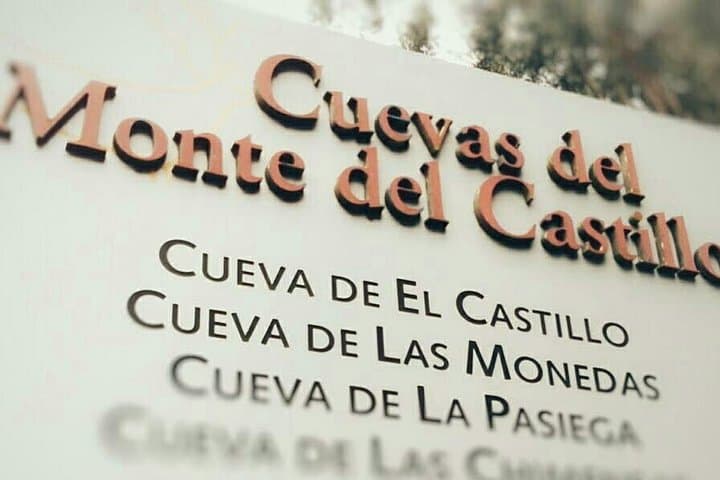
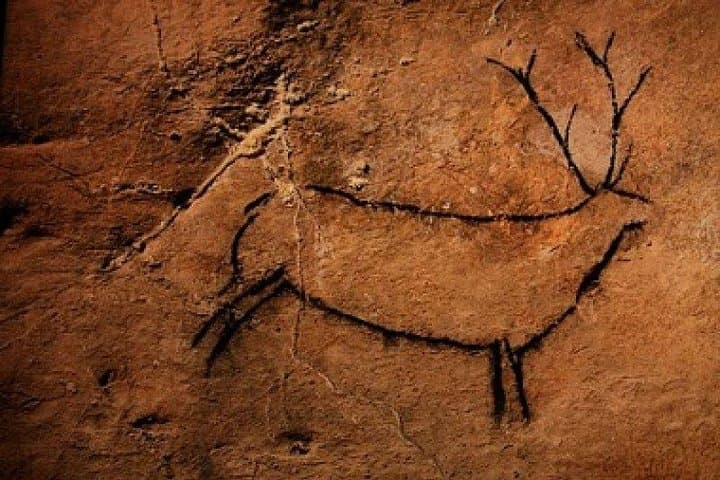
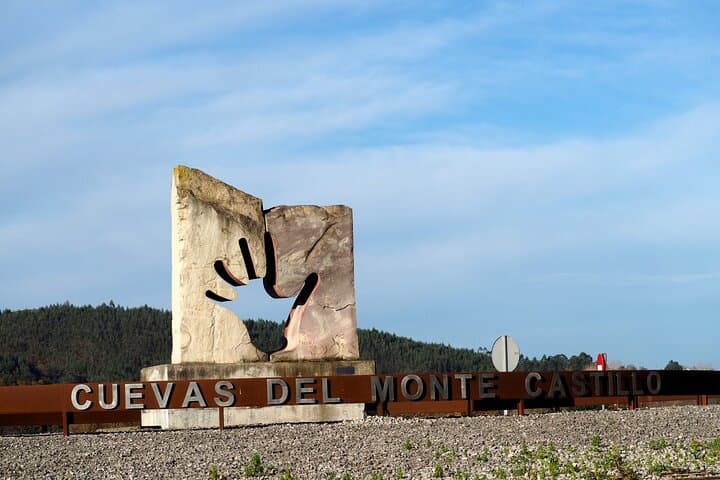
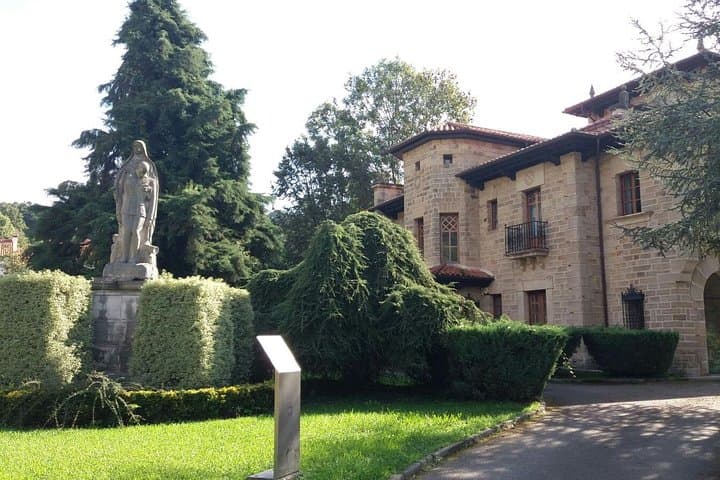
A low-slung vehicle pulls away from Santander and the valley opens: the Pas River presses silver against green slopes while the road tightens toward Puente Viesgo. The air cools and, at the cave entrance, the light narrows to a slit. Inside, the earth feels deliberate — stone that once held firelight now holds charcoal and red pigment, shadows of hands and sweeping strokes that challenge how long humans have been making mark and meaning.
A low-slung vehicle pulls away from Santander and the valley opens: the Pas River presses silver against green slopes while the road tightens toward Puente Viesgo. The air cools and, at the cave entrance, the light narrows to a slit. Inside, the earth feels deliberate — stone that once held firelight now holds charcoal and red pigment, shadows of hands and sweeping strokes that challenge how long humans have been making mark and meaning.
El Castillo and Las Monedas are UNESCO-listed for a reason: El Castillo preserves hand stencils and disk motifs among the oldest known in Europe, some dates suggesting art older than 40,000 years. Las Monedas presents later Magdalenian charcoal silhouettes and strong geological structure — limestone passageways shaped by millennia of water. The caves stand where Bronze Age settlement and medieval shepherding later threaded the valleys; Puente Viesgo still carries that working-rural character and a modest spa tradition.
Practically, the tour is a compact cultural hike and guided visit: expect roughly five hours door-to-door with two one-hour cave visits and a short village walk. The caves hold a steady 12°C, low light and narrow steps; flash photography and touching surfaces are prohibited to protect pigments and microclimate. Guides usually present in Spanish; English translation can be arranged on request.
Book early — group sizes are small and entrances capped to preserve the sites. Wear sturdy shoes, bring a light jacket, and plan extra time to walk the Pas riverside or visit the local church. The experience is less about spectacle and more about proximity: standing where hands were pressed to stone, you feel the long arc of human attention to place.