THE ADVENTURE COLLECTIVE® · Independent discovery and booking for outdoor travel

Trace the evolution of ancient Egyptian pyramid-building on a single-day route from Saqqara to Dahshur. Visit Djoser’s Step Pyramid, study the Bent Pyramid’s unique angle and step into the Red Pyramid — a clear arc of architectural innovation.
Trace the evolution of ancient Egyptian pyramid-building on a single-day route from Saqqara to Dahshur. Visit Djoser’s Step Pyramid, study the Bent Pyramid’s unique angle and step into the Red Pyramid — a clear arc of architectural innovation.
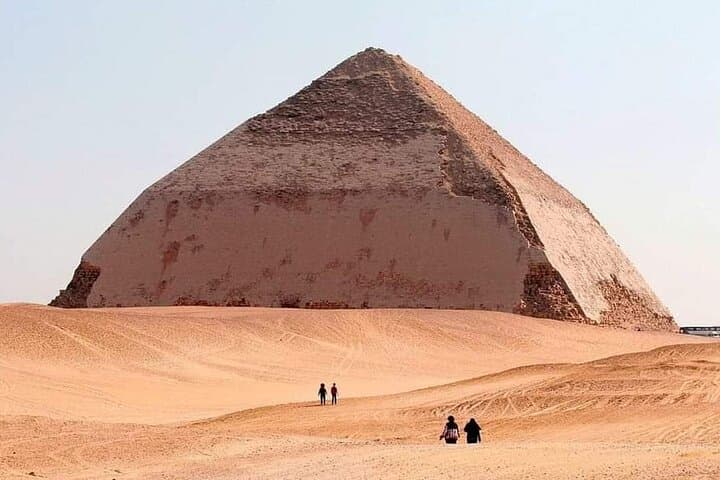
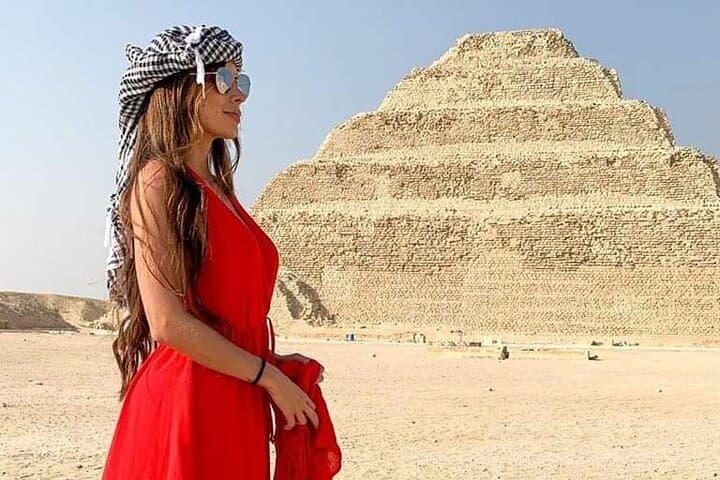
You arrive on a wind-swept plateau where pale limestone blocks catch the sun and the air smells faintly of dust and date trees. The Step Pyramid of Djoser rises like an architectural experiment frozen in motion, its stacked terraces daring you to understand the leap from mastaba tombs to monumental stone. A short drive across the plains brings you to Dahshur, where the Bent Pyramid changes its mind halfway up and the Red Pyramid stands as the first successful attempt at a true, smooth-sided form.
Verified experiences and guided adventures in the surrounding area.
Operated by Egyway Tours · Giza, Giza Governorate
You arrive on a wind-swept plateau where pale limestone blocks catch the sun and the air smells faintly of dust and date trees. The Step Pyramid of Djoser rises like an architectural experiment frozen in motion, its stacked terraces daring you to understand the leap from mastaba tombs to monumental stone. A short drive across the plains brings you to Dahshur, where the Bent Pyramid changes its mind halfway up and the Red Pyramid stands as the first successful attempt at a true, smooth-sided form.
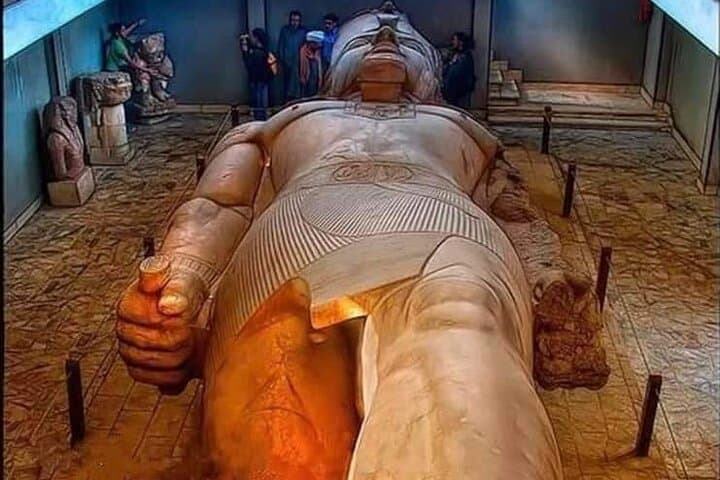
The route traces a clear arc of ancient engineering: Saqqara (27th century BCE) is where Imhotep’s innovations turned stone into structure; the Bent Pyramid illustrates the trial-and-error of angle and weight distribution; the Red Pyramid records the payoff — stable slopes and refined construction techniques. Memphis, briefly on the itinerary, was once Egypt’s administrative heartbeat and offers stelae and statuary that underline the political logic behind these tombs.
Expect uneven ground, open desert exposure, and short climbs into burial complexes and mastabas. The full-day private tour runs about 6–8 hours with hotel pickup, lunch and entrance fees included. Bring sun protection, a refillable water bottle and comfortable, closed-toe shoes for sandy tracks and carved stone steps. Photography is allowed but be considerate at sensitive tomb chambers; follow local guide instructions and stay on marked paths to protect fragile masonry.
This is a factual, walkable immersion into the evolution of pyramid-building — equal parts archaeology lesson and fieldwork: you’ll leave with a clearer picture of how ancient ambition shaped the skyline of the Nile floodplain.
easy.
6–8 hours.
Light walking on uneven ground; suitable for most fitness levels but some mobility limits in tight or stepped tombs.
Yes — the tour includes entrance tickets to the Saqqara and Dahshur sites as noted in the itinerary.
The private full-day tour is approximately 7 hours (6–8 hours window) and includes hotel pickup and drop-off.
The itinerary is rated easy, but some areas have stepped access and uneven ground; discuss mobility needs with the operator when booking.
Lunch is included; restroom facilities are available at visitor areas but can be basic, so plan accordingly.
Saqqara’s Step Pyramid (c. 2670 BCE) marks the first large-scale use of cut stone for monumental architecture; the Bent and Red Pyramids at Dahshur record experiments that led to the classic pyramid form.
Sites face erosion, salt weathering and pressure from tourism; staying on marked routes and following guide instructions helps protect fragile masonry and painted surfaces.
Egyway Tours operates guided outdoor trips and adventures with an emphasis on safety, stewardship, and memorable experiences.
You arrive on a wind-swept plateau where pale limestone blocks catch the sun and the air smells faintly of dust and date trees. The Step Pyramid of Djoser rises like an architectural experiment frozen in motion, its stacked terraces daring you to understand the leap from mastaba tombs to monumental stone. A short drive across the plains brings you to Dahshur, where the Bent Pyramid changes its mind halfway up and the Red Pyramid stands as the first successful attempt at a true, smooth-sided form.
You arrive on a wind-swept plateau where pale limestone blocks catch the sun and the air smells faintly of dust and date trees. The Step Pyramid of Djoser rises like an architectural experiment frozen in motion, its stacked terraces daring you to understand the leap from mastaba tombs to monumental stone. A short drive across the plains brings you to Dahshur, where the Bent Pyramid changes its mind halfway up and the Red Pyramid stands as the first successful attempt at a true, smooth-sided form.
The route traces a clear arc of ancient engineering: Saqqara (27th century BCE) is where Imhotep’s innovations turned stone into structure; the Bent Pyramid illustrates the trial-and-error of angle and weight distribution; the Red Pyramid records the payoff — stable slopes and refined construction techniques. Memphis, briefly on the itinerary, was once Egypt’s administrative heartbeat and offers stelae and statuary that underline the political logic behind these tombs.
Expect uneven ground, open desert exposure, and short climbs into burial complexes and mastabas. The full-day private tour runs about 6–8 hours with hotel pickup, lunch and entrance fees included. Bring sun protection, a refillable water bottle and comfortable, closed-toe shoes for sandy tracks and carved stone steps. Photography is allowed but be considerate at sensitive tomb chambers; follow local guide instructions and stay on marked paths to protect fragile masonry.
This is a factual, walkable immersion into the evolution of pyramid-building — equal parts archaeology lesson and fieldwork: you’ll leave with a clearer picture of how ancient ambition shaped the skyline of the Nile floodplain.