THE ADVENTURE COLLECTIVE® · Independent discovery and booking for outdoor travel

A full-day loop around Easter Island's most iconic sites — moai platforms, volcanic craters, and Anakena’s white sand — guided with cultural context. Expect long drives, uneven walking at quarries and dramatic coastal views that reward early or late light.
A full-day loop around Easter Island's most iconic sites — moai platforms, volcanic craters, and Anakena’s white sand — guided with cultural context. Expect long drives, uneven walking at quarries and dramatic coastal views that reward early or late light.
You step off the van at dawn and the wind meets you first — cool, salt-laced, insistent — as the coastline unfolds with stone figures staring out to sea. The tour threads the island in a loop: village reconstructions and household ovens at Vaihu, the long line of 15 moai at Ahu Tongariki, the quarry slopes of Rano Raraku where more than 400 statues pause in various stages of carving, and finally Anakena’s rare strip of white coral sand where water pushes and then softens its turquoise edge.
Verified experiences and guided adventures in the surrounding area.
Operated by Agencia GuiasTours · Hanga Roa, Isla de Pascua (Valparaíso Region)
You step off the van at dawn and the wind meets you first — cool, salt-laced, insistent — as the coastline unfolds with stone figures staring out to sea. The tour threads the island in a loop: village reconstructions and household ovens at Vaihu, the long line of 15 moai at Ahu Tongariki, the quarry slopes of Rano Raraku where more than 400 statues pause in various stages of carving, and finally Anakena’s rare strip of white coral sand where water pushes and then softens its turquoise edge.
Easter Island (Rapa Nui) is a volcanic rise of tuff and basalt; its low ridges — including Rano Kau and Terevaka — are crater scars that hold freshwater and stories. The moai are emblematic of a culture that organized labor, stonecarving and ocean navigation into monument-building; later, the Bird Man (Tangata Manu) competitions at Orongo rewrote local leadership across centuries.
Expect a full, 12–13 hour day with long drives between sites and a 45–60 minute walk at Rano Raraku over uneven ground. The landscape alternates between exposed ridgelines where wind pushes you forward and sheltered coves where birds claim the cliffs. Guides explain carving techniques, transport theories and the dramatic shifts after European contact and missionary influence.
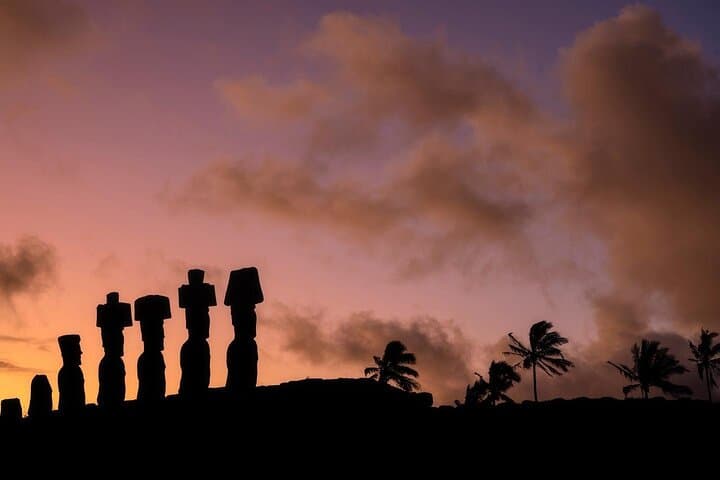
Practical edge: bring sun protection, layered windproof clothing, and a refillable water bottle; comfortable shoes for volcanic scree are essential. Time your visit for either morning or late-afternoon light — Ahu Tahai’s sunset is a predictable show. The itinerary is suitable for most fitness levels but the day’s length and uneven terrain reward steady pacing and hydration.
moderate.
12–13 hours.
Comfortable with an all-day outing; able to walk 45–60 minutes on uneven terrain and manage stairs or short climbs.
The combined itinerary runs roughly 12–13 hours with mostly vehicle transfers; expect about 45–60 minutes of walking at Rano Raraku and shorter walks at other sites.
A box lunch (Anakena) is included; bring snacks if you prefer extra options between stops.
The tour is listed as suitable for all fitness levels, but uneven ground and stairs at archaeological sites may limit access for some — discuss mobility needs with the operator when booking.
Hanga Roa accepts Chilean pesos and some places take cards, but carry small pesos for markets, tips and park fees if applicable.
Rapa Nui culture carved and transported moai between roughly 1200–1600 CE; later 19th-century missionary contact and introduced diseases dramatically altered population and customs.
Visitor impact is managed through site paths and limits on climbing; stay on marked trails, avoid touching carvings and follow local guides to protect fragile archaeology.
Agencia GuiasTours operates guided outdoor trips and adventures with an emphasis on safety, stewardship, and memorable experiences.
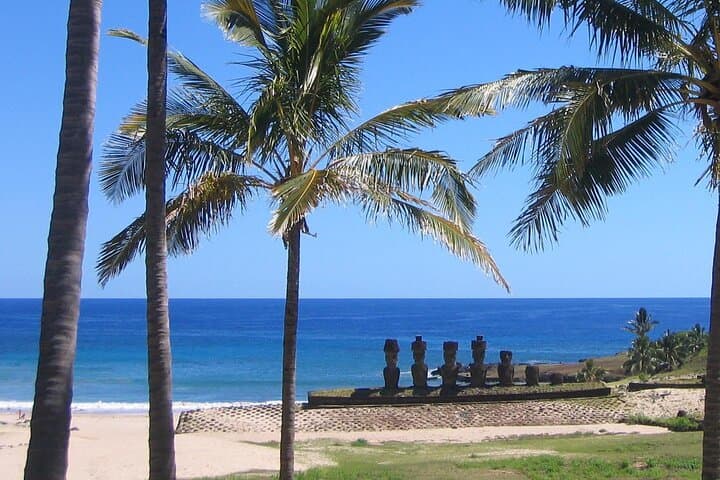
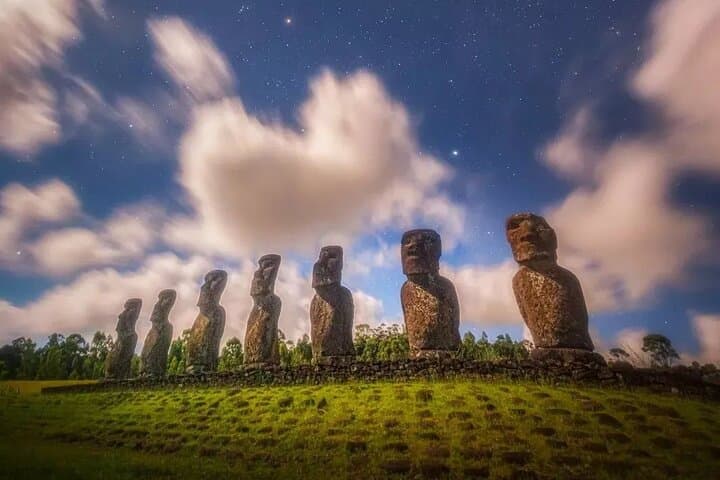
You step off the van at dawn and the wind meets you first — cool, salt-laced, insistent — as the coastline unfolds with stone figures staring out to sea. The tour threads the island in a loop: village reconstructions and household ovens at Vaihu, the long line of 15 moai at Ahu Tongariki, the quarry slopes of Rano Raraku where more than 400 statues pause in various stages of carving, and finally Anakena’s rare strip of white coral sand where water pushes and then softens its turquoise edge.
You step off the van at dawn and the wind meets you first — cool, salt-laced, insistent — as the coastline unfolds with stone figures staring out to sea. The tour threads the island in a loop: village reconstructions and household ovens at Vaihu, the long line of 15 moai at Ahu Tongariki, the quarry slopes of Rano Raraku where more than 400 statues pause in various stages of carving, and finally Anakena’s rare strip of white coral sand where water pushes and then softens its turquoise edge.
Easter Island (Rapa Nui) is a volcanic rise of tuff and basalt; its low ridges — including Rano Kau and Terevaka — are crater scars that hold freshwater and stories. The moai are emblematic of a culture that organized labor, stonecarving and ocean navigation into monument-building; later, the Bird Man (Tangata Manu) competitions at Orongo rewrote local leadership across centuries.
Expect a full, 12–13 hour day with long drives between sites and a 45–60 minute walk at Rano Raraku over uneven ground. The landscape alternates between exposed ridgelines where wind pushes you forward and sheltered coves where birds claim the cliffs. Guides explain carving techniques, transport theories and the dramatic shifts after European contact and missionary influence.
Practical edge: bring sun protection, layered windproof clothing, and a refillable water bottle; comfortable shoes for volcanic scree are essential. Time your visit for either morning or late-afternoon light — Ahu Tahai’s sunset is a predictable show. The itinerary is suitable for most fitness levels but the day’s length and uneven terrain reward steady pacing and hydration.