THE ADVENTURE COLLECTIVE® · Independent discovery and booking for outdoor travel

Spend a long, scenic day driving from Kunming to Dongchuan’s famous Red Land—photograph layered red soil, village terraces, and shifting light across a landscape shaped by iron-rich earth and local farming traditions.
Spend a long, scenic day driving from Kunming to Dongchuan’s famous Red Land—photograph layered red soil, village terraces, and shifting light across a landscape shaped by iron-rich earth and local farming traditions.
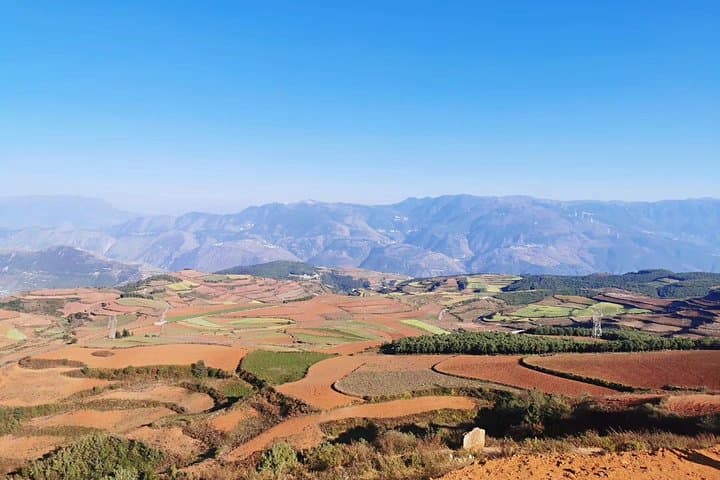
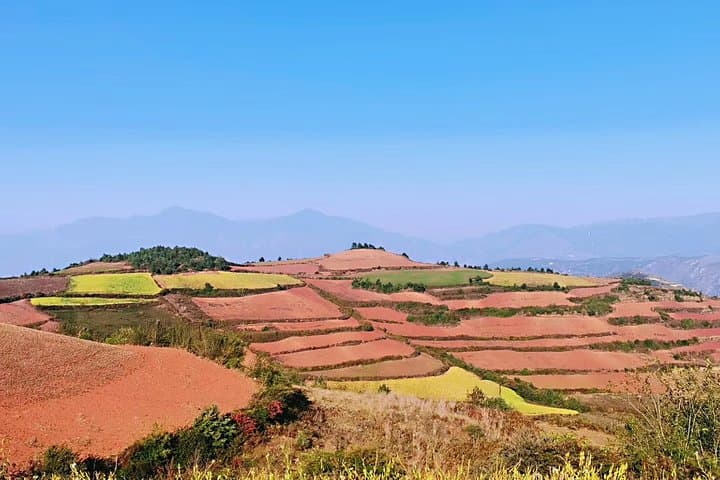
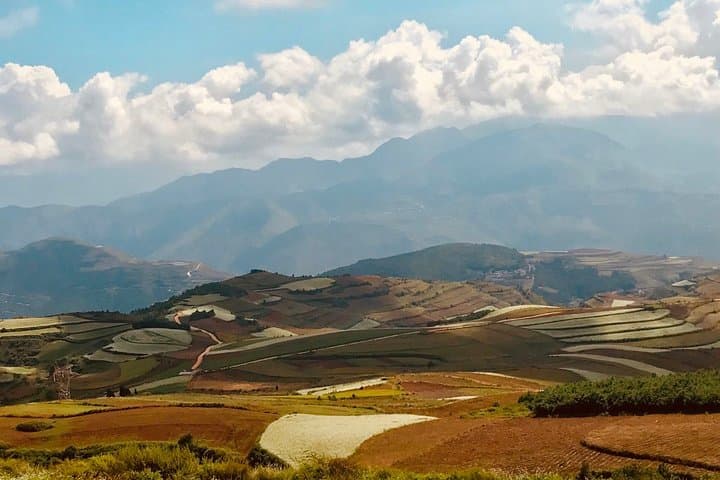
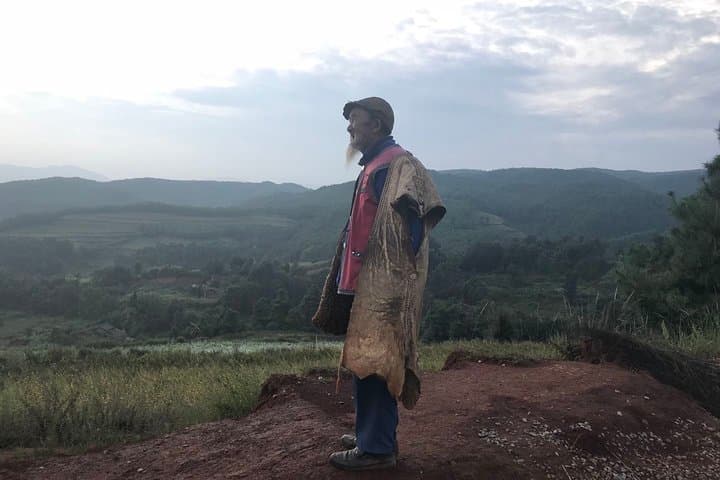
A low, red horizon unfolds as the van climbs out of Kunming—fields like spilled rust folding across hills that seem to change color with every step. By midmorning you’re at Yuepuao and Huashitou villages, where the earth’s iron-laced soil takes center stage and terraces cut the slope into ribbons. Local farmers move through the plots, and a thin mountain wind teases dust from the ridgelines, urging you to lift your camera.
Verified experiences and guided adventures in the surrounding area.
Operated by SilkRoadTrips · Dongchuan, Yunnan
A low, red horizon unfolds as the van climbs out of Kunming—fields like spilled rust folding across hills that seem to change color with every step. By midmorning you’re at Yuepuao and Huashitou villages, where the earth’s iron-laced soil takes center stage and terraces cut the slope into ribbons. Local farmers move through the plots, and a thin mountain wind teases dust from the ridgelines, urging you to lift your camera.
The Red Land is the product of lateritic soil and centuries of erosion; what looks like paint on the landscape is high iron content oxidized over millennia. The terraces are recent, shaped by regional Han and Yi agricultural practices that turned steep ground into workable fields. Photographers and landscape lovers come for the chromatic contrasts—red soil, green crops, pale roads—and for the seasonal patterns of planting and harvest that redraw the scene.
This is a long, vehicle-led day trip—expect a 3-hour drive each way from Kunming and 10–12 hours total including stops at several village viewpoints. Guides handle the logistics and entrance fees; you’ll walk short slopes and photo vantage trails, not strenuous hikes. Sun protection, dust management, and steady footwear matter more than peak fitness.
Plan for early light and late afternoon color; aim for spring planting or autumn harvest if you want dramatic lines and mixed tones. Treat the land with care—stay on paths, respect crops, and support local vendors when possible. The reward is uncomplicated: expansive views that shift with the sun and a rare chance to read geology and culture at once.
easy.
10–12 hours.
Suitable for most fitness levels; involves short walks on uneven terrace paths but no sustained hiking.
Expect about three hours each way by private vehicle, depending on traffic and stops—plan on a 10–12 hour day overall.
Yes—this private tour typically includes entrance fees, bottled water, and a Chinese-style lunch as part of the itinerary.
No—the itinerary involves short walks and photo stops; it’s suitable for most fitness levels but includes some uneven footing.
Early morning and late afternoon deliver the best light; spring (planting) and autumn (post-harvest) show strong tonal contrasts.
The red soil is laterite formed by long-term weathering; terraces reflect centuries of local agricultural adaptation by Han and Yi communities.
Topsoil here is fragile—avoid stepping on cropped terraces, support local guides who promote responsible viewing, and don’t litter.
SilkRoadTrips operates guided outdoor trips and adventures with an emphasis on safety, stewardship, and memorable experiences.
A low, red horizon unfolds as the van climbs out of Kunming—fields like spilled rust folding across hills that seem to change color with every step. By midmorning you’re at Yuepuao and Huashitou villages, where the earth’s iron-laced soil takes center stage and terraces cut the slope into ribbons. Local farmers move through the plots, and a thin mountain wind teases dust from the ridgelines, urging you to lift your camera.
A low, red horizon unfolds as the van climbs out of Kunming—fields like spilled rust folding across hills that seem to change color with every step. By midmorning you’re at Yuepuao and Huashitou villages, where the earth’s iron-laced soil takes center stage and terraces cut the slope into ribbons. Local farmers move through the plots, and a thin mountain wind teases dust from the ridgelines, urging you to lift your camera.
The Red Land is the product of lateritic soil and centuries of erosion; what looks like paint on the landscape is high iron content oxidized over millennia. The terraces are recent, shaped by regional Han and Yi agricultural practices that turned steep ground into workable fields. Photographers and landscape lovers come for the chromatic contrasts—red soil, green crops, pale roads—and for the seasonal patterns of planting and harvest that redraw the scene.
This is a long, vehicle-led day trip—expect a 3-hour drive each way from Kunming and 10–12 hours total including stops at several village viewpoints. Guides handle the logistics and entrance fees; you’ll walk short slopes and photo vantage trails, not strenuous hikes. Sun protection, dust management, and steady footwear matter more than peak fitness.
Plan for early light and late afternoon color; aim for spring planting or autumn harvest if you want dramatic lines and mixed tones. Treat the land with care—stay on paths, respect crops, and support local vendors when possible. The reward is uncomplicated: expansive views that shift with the sun and a rare chance to read geology and culture at once.