THE ADVENTURE COLLECTIVE® · Independent discovery and booking for outdoor travel

A five-day circuit from Hanoi to the Dong Van Karst Plateau mixes dramatic limestone scenery, motorbike ridgelines and intimate hill-tribe encounters. Read on for what to expect, practical tips and seasonal notes for this UNESCO-recognized plateau.
A five-day circuit from Hanoi to the Dong Van Karst Plateau mixes dramatic limestone scenery, motorbike ridgelines and intimate hill-tribe encounters. Read on for what to expect, practical tips and seasonal notes for this UNESCO-recognized plateau.
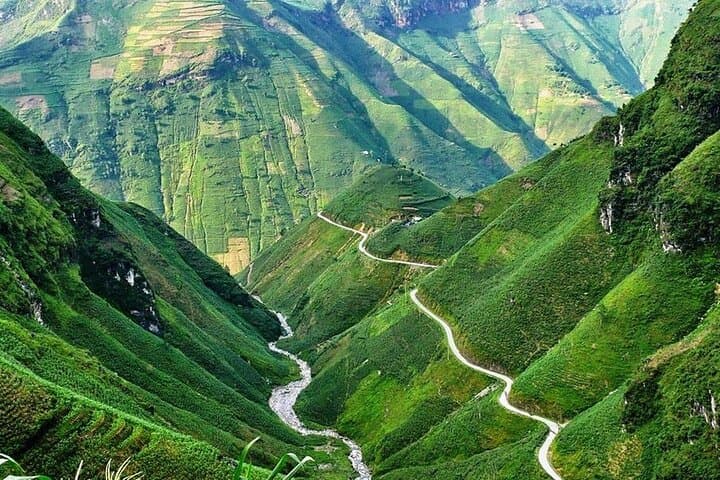
A silvered dawn breaks over hairpin roads as the limousine peels out of Hanoi and climbs into limestone country. The air thins and the landscape changes: narrow valleys, serrated ridges and terraces that drop away to ribbon rivers. Through windows, travelers see Hmong and Yao villages clinging to slopes, markets waking, and the Road of Happiness unfurling toward Dong Van.
Verified experiences and guided adventures in the surrounding area.
Operated by Asia Tour Booking · Dong Van, Ha Giang Province
A silvered dawn breaks over hairpin roads as the limousine peels out of Hanoi and climbs into limestone country. The air thins and the landscape changes: narrow valleys, serrated ridges and terraces that drop away to ribbon rivers. Through windows, travelers see Hmong and Yao villages clinging to slopes, markets waking, and the Road of Happiness unfurling toward Dong Van.
The Dong Van Karst Plateau was recognized by UNESCO in 2010 for its exceptional geology—limestone formed over hundreds of millions of years, sculpted into towers, plateaus and the deep Tu San (Nho Que) gorge. Sites on the route include Quan Ba Twin Mountains, the Royal Palace of Sa Phin, Lung Cu Flag Tower and the 21-km Ma Pi Leng Pass, a dramatic stretch that frames the Nho Que River far below.
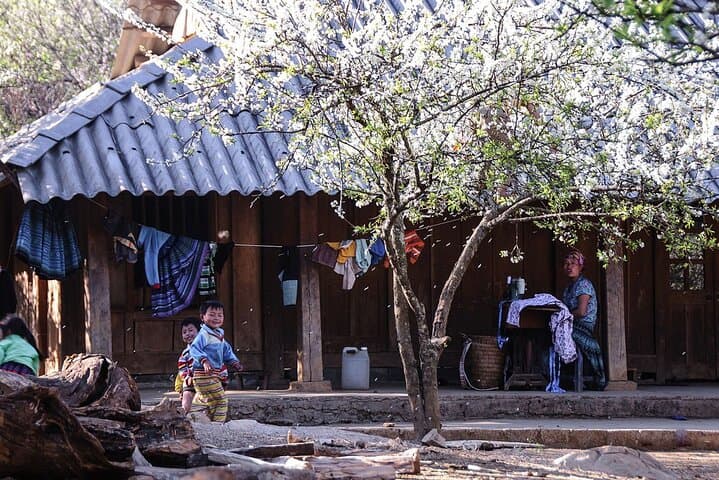
Culturally, the region is defined by distinct hill-tribe textiles, brocade villages and markets where barter and tradition remain central. Evenings at homestays offer straightforward food—hotpots, bánh cuốn—and stories from local hosts.
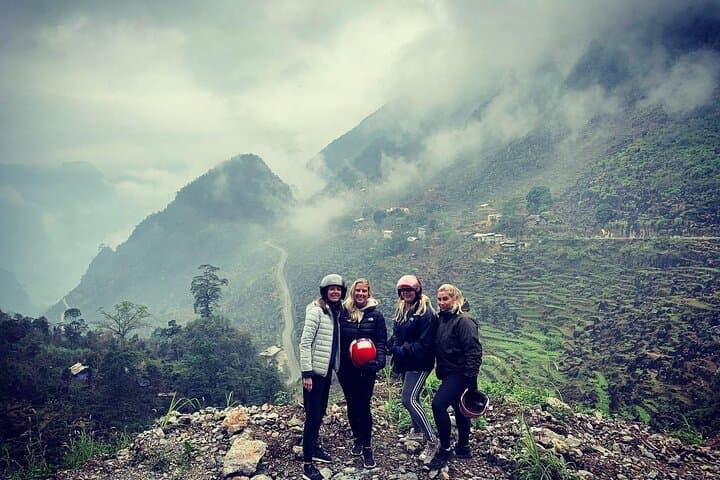
Practical guide: the itinerary mixes road travel, short walks and optional motorbike legs; expect steep, winding roads and sudden weather changes at 1,400–1,600 m elevation. Bring layered clothing, sun and rain protection, and cash for small purchases and the $10 borderland permit for foreigners. Balance eagerness with patience—photo stops, local markets and boat trips through Tu San canyon are where the plateau’s character appears. This tour suits travelers with moderate fitness who want geological spectacle, close cultural encounters and a compact package for five days out of Hanoi.
moderate.
5 days (4 nights).
Good general fitness; able to manage several hours of walking or short hikes and negotiate uneven surfaces and stairs.
Yes—foreign visitors must pay a borderland permission fee (approximately $10) and carry passport details; the tour operator usually handles this but bring your passport information.
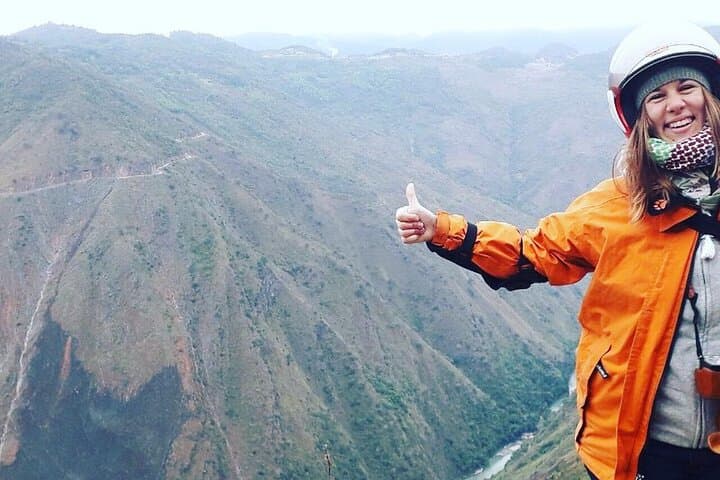
Roads are narrow and winding; guided motorbike legs are popular but not mandatory—choose the vehicle option if you’re not confident on mountain roads.
Days combine driving with short walks and market visits; overall it’s moderate activity with occasional climbs to viewpoints and boat trips requiring basic mobility.
Spring (April–May) and autumn (September–October) offer stable weather and flowering/harvest scenery; summer has rain but lush landscapes, winter can be cold at altitude.
The plateau’s layered limestone records ancient shallow seas and tectonic uplift; the area was designated Vietnam’s first geopark and joined UNESCO’s Global Geoparks Network in 2010.
Karst terrain is fragile—stick to trails, avoid removing fossils or stones, and support local homestays that prioritize sustainable waste practices.
Asia Tour Booking operates guided outdoor trips and adventures with an emphasis on safety, stewardship, and memorable experiences.
A silvered dawn breaks over hairpin roads as the limousine peels out of Hanoi and climbs into limestone country. The air thins and the landscape changes: narrow valleys, serrated ridges and terraces that drop away to ribbon rivers. Through windows, travelers see Hmong and Yao villages clinging to slopes, markets waking, and the Road of Happiness unfurling toward Dong Van.
A silvered dawn breaks over hairpin roads as the limousine peels out of Hanoi and climbs into limestone country. The air thins and the landscape changes: narrow valleys, serrated ridges and terraces that drop away to ribbon rivers. Through windows, travelers see Hmong and Yao villages clinging to slopes, markets waking, and the Road of Happiness unfurling toward Dong Van.
The Dong Van Karst Plateau was recognized by UNESCO in 2010 for its exceptional geology—limestone formed over hundreds of millions of years, sculpted into towers, plateaus and the deep Tu San (Nho Que) gorge. Sites on the route include Quan Ba Twin Mountains, the Royal Palace of Sa Phin, Lung Cu Flag Tower and the 21-km Ma Pi Leng Pass, a dramatic stretch that frames the Nho Que River far below.
Culturally, the region is defined by distinct hill-tribe textiles, brocade villages and markets where barter and tradition remain central. Evenings at homestays offer straightforward food—hotpots, bánh cuốn—and stories from local hosts.
Practical guide: the itinerary mixes road travel, short walks and optional motorbike legs; expect steep, winding roads and sudden weather changes at 1,400–1,600 m elevation. Bring layered clothing, sun and rain protection, and cash for small purchases and the $10 borderland permit for foreigners. Balance eagerness with patience—photo stops, local markets and boat trips through Tu San canyon are where the plateau’s character appears. This tour suits travelers with moderate fitness who want geological spectacle, close cultural encounters and a compact package for five days out of Hanoi.