THE ADVENTURE COLLECTIVE® · Independent discovery and booking for outdoor travel

A full-day private tour that threads prehistory, medieval fortresses and the dramatic Iron Gates of the Danube. See Lepenski Vir, Golubac and Smederevo while traveling through one of Europe’s most powerful river gorges.
A full-day private tour that threads prehistory, medieval fortresses and the dramatic Iron Gates of the Danube. See Lepenski Vir, Golubac and Smederevo while traveling through one of Europe’s most powerful river gorges.
You arrive at the Danube’s edge before the day heats up, the river pushing a cool current between sheer limestone walls that dare you to look over. The road into Djerdap unfolds in a slow reveal—rock cliffs, villages clinging to river bends, and the squat silhouette of Golubac Fortress rising from the rock like an old watchman.
Verified experiences and guided adventures in the surrounding area.
Operated by Snurk.Travel · Golubac, Braničevo District
You arrive at the Danube’s edge before the day heats up, the river pushing a cool current between sheer limestone walls that dare you to look over. The road into Djerdap unfolds in a slow reveal—rock cliffs, villages clinging to river bends, and the squat silhouette of Golubac Fortress rising from the rock like an old watchman.
This itinerary threads together eras: Neolithic settlements at Lepenski Vir where people settled 5,000–6,000 years ago; medieval stonework at Smederevo and Golubac fortresses; and the geologic drama of the Iron Gates, a narrow gorge carved by the Danube through limestone and sandstone over millennia. Culture here mixes Serbian river traditions, Ottoman and medieval histories, and the borderland stories of trade and conflict along the waterway.
Expect varied terrain—easy museum walks and paved viewpoints, punctuated by stone staircases and uneven fortress courtyards that can gain 50–100 m in short bursts. The day is long (about 11 hours door-to-door from Belgrade), driven by scenery and short hikes between photo stops. Guides typically cover archaeology, fortress architecture, and local legends; meals may be taken within fortress walls with Danube views.
Practical notes: wear sturdy footwear for cobbled surfaces, carry water and sun protection, and leave room on your camera for wide-angle shots of the gorge and close-ups of carved rock faces. Morning light favors the fortress exteriors; late afternoon softens the gorge for riverside photos. The route is accessible to most fitness levels but includes uneven surfaces and some stairs—plan accordingly.
moderate.
11 hours.
Suitable for people with average fitness—most walking is short but includes stairs and uneven surfaces.
The private excursion runs about 11 hours; it includes a guide and visits to Golubac and Smederevo fortresses—admissions to those sites are typically included per the itinerary.
The tour is described as suitable for most fitness levels, but fortress areas have stairs and uneven ground—travellers with significant mobility issues should notify the operator in advance.
Some viewpoints of the Decebalus rock face are visible from the Serbian side; crossing into Romania depends on the exact route and requires valid travel documents—confirm with the guide.
Lunch is usually arranged (the itinerary mentions a meal within Golubac Fortress), but bring snacks for the longer driving sections and personal dietary needs.
Lepenski Vir is one of Europe’s earliest organized settlements (about 5,000–6,000 years old); nearby fortresses reflect medieval strategic control of the Danube.
Djerdap National Park faces pressures from river infrastructure and tourism—stay on marked paths, avoid disturbing nesting birds, and follow local guidelines to minimize impact.
Snurk.Travel operates guided outdoor trips and adventures with an emphasis on safety, stewardship, and memorable experiences.
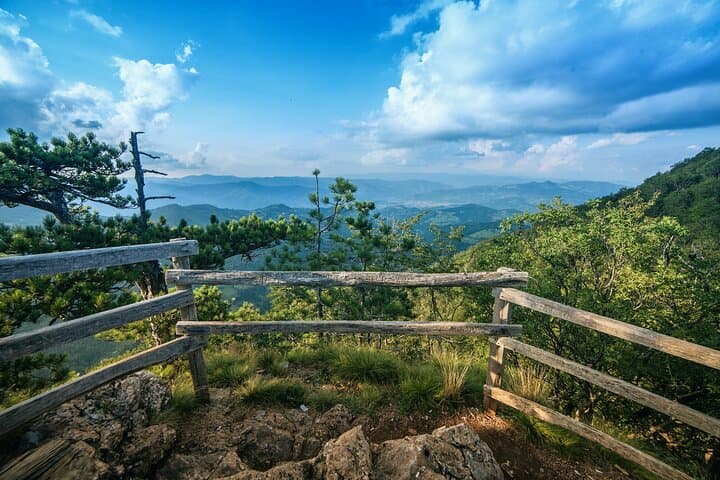
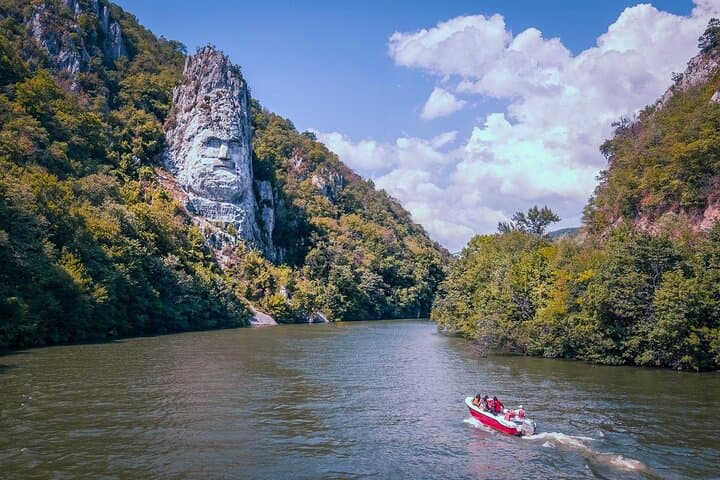

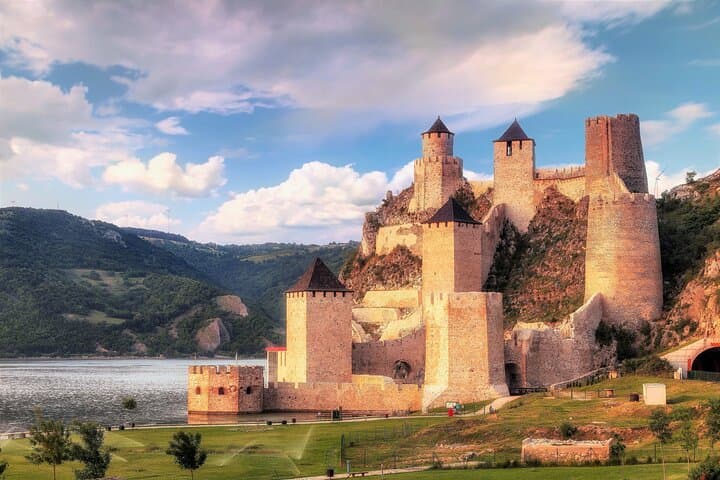
You arrive at the Danube’s edge before the day heats up, the river pushing a cool current between sheer limestone walls that dare you to look over. The road into Djerdap unfolds in a slow reveal—rock cliffs, villages clinging to river bends, and the squat silhouette of Golubac Fortress rising from the rock like an old watchman.
You arrive at the Danube’s edge before the day heats up, the river pushing a cool current between sheer limestone walls that dare you to look over. The road into Djerdap unfolds in a slow reveal—rock cliffs, villages clinging to river bends, and the squat silhouette of Golubac Fortress rising from the rock like an old watchman.
This itinerary threads together eras: Neolithic settlements at Lepenski Vir where people settled 5,000–6,000 years ago; medieval stonework at Smederevo and Golubac fortresses; and the geologic drama of the Iron Gates, a narrow gorge carved by the Danube through limestone and sandstone over millennia. Culture here mixes Serbian river traditions, Ottoman and medieval histories, and the borderland stories of trade and conflict along the waterway.
Expect varied terrain—easy museum walks and paved viewpoints, punctuated by stone staircases and uneven fortress courtyards that can gain 50–100 m in short bursts. The day is long (about 11 hours door-to-door from Belgrade), driven by scenery and short hikes between photo stops. Guides typically cover archaeology, fortress architecture, and local legends; meals may be taken within fortress walls with Danube views.
Practical notes: wear sturdy footwear for cobbled surfaces, carry water and sun protection, and leave room on your camera for wide-angle shots of the gorge and close-ups of carved rock faces. Morning light favors the fortress exteriors; late afternoon softens the gorge for riverside photos. The route is accessible to most fitness levels but includes uneven surfaces and some stairs—plan accordingly.