THE ADVENTURE COLLECTIVE® · Independent discovery and booking for outdoor travel

A two‑hour guided walk through Dharavi reveals a working city of micro‑industries, pottery, and resilient community life. This tour focuses on local voices, responsible access, and hands‑on insight into one of Mumbai’s most dynamic neighborhoods.
A two‑hour guided walk through Dharavi reveals a working city of micro‑industries, pottery, and resilient community life. This tour focuses on local voices, responsible access, and hands‑on insight into one of Mumbai’s most dynamic neighborhoods.
You step off at Third Wave Coffee and a corridor of narrow lanes folds around you — laundry lines overhead, small furnaces puffing, and the steady rhythm of hands at work. The guide moves with practiced ease, introducing faces, businesses and the busy hum of slaughtered seconds and salvaged goods that keep this place alive.
Verified experiences and guided adventures in the surrounding area.
Operated by Explore Mumbai Tours · Mumbai, Maharashtra
You step off at Third Wave Coffee and a corridor of narrow lanes folds around you — laundry lines overhead, small furnaces puffing, and the steady rhythm of hands at work. The guide moves with practiced ease, introducing faces, businesses and the busy hum of slaughtered seconds and salvaged goods that keep this place alive.
Dharavi sits on reclaimed marshland between the Mithi River and Mumbai’s industrial spine. Once a cluster of fishing settlements, it transformed under colonial and post‑independence migration into one of the city’s most densely used pockets. Geology here matters in small ways: thin soils, reclaimed flats, and a grid of makeshift structures that lean into every available space.
Culture and commerce coexist; leather tanneries, textile workshops, and the famed Kumbharwada pottery colony operate side‑by‑side with family homes. Local guides—often residents—translate the community’s ingenuity: how waste becomes raw material, how micro‑businesses support entire households, and how religious and cultural life threads across narrow streets.
Practical guidance is straightforward. This two‑hour walking tour is physically easy but demands respectful curiosity: ask before photographing, follow the guide’s route, and keep to the lanes. Wear closed‑toe shoes for uneven surfaces, carry a reusable water bottle, and bring small notes for purchases if you want to support artisans. Avoid monsoon downpours (June–September) when lanes can flood.
An urban walk more than a sightseeing stop, this experience offers direct encounters with livelihoods, craft, and community-led storytelling—useful for travelers who want context, not spectacle.
easy.
2 hours.
Suitable for all fitness levels; involves standing and walking on flat, sometimes congested lanes.
The guided walk is approximately two hours and starts at Third Wave Coffee as the meeting point.
Yes—physically it’s easy, but lanes can be crowded; participants should be able to walk short distances and navigate narrow passages.
Yes, but be respectful: ask individuals before photographing and follow any guidance from your local guide.
Yes—buying small items or pottery directly supports local makers; carry small cash as card machines are uncommon.
Dharavi evolved from fishing and farming settlements into a dense urban neighborhood during British rule and post‑independence migration, growing into a hub of small industries and informal economies.
Tours that prioritize local guides and ethical engagement help minimize intrusive tourism; supporting local artisans and waste‑management initiatives aids community sustainability.
Explore Mumbai Tours operates guided outdoor trips and adventures with an emphasis on safety, stewardship, and memorable experiences.
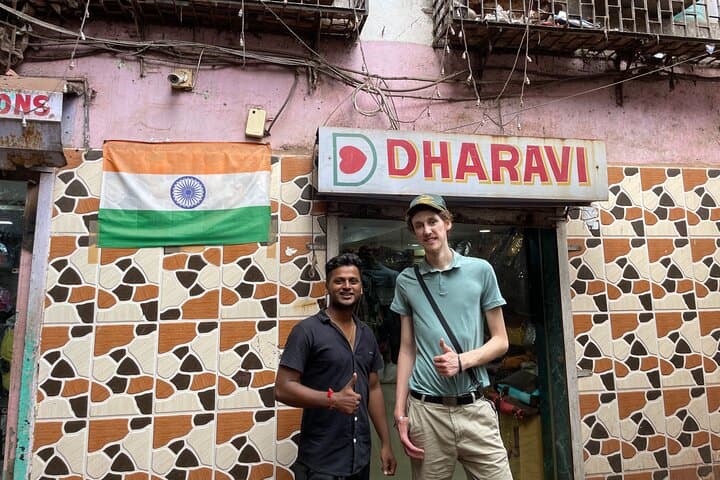
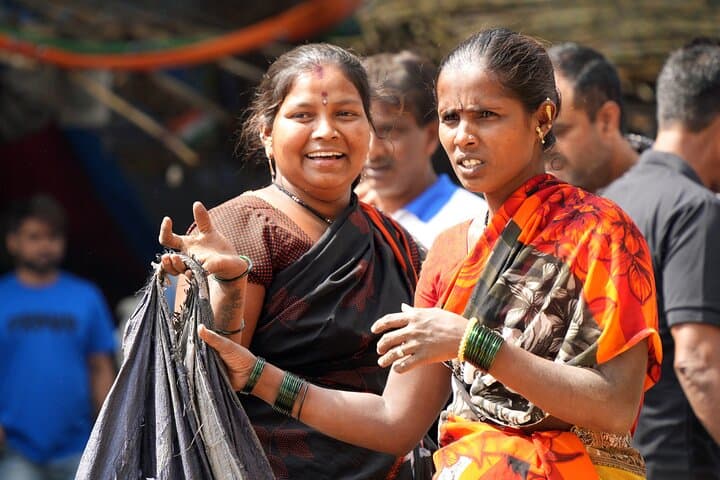
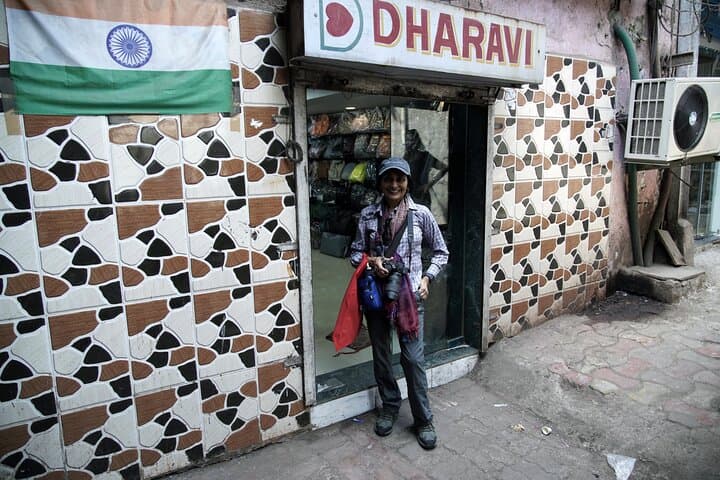
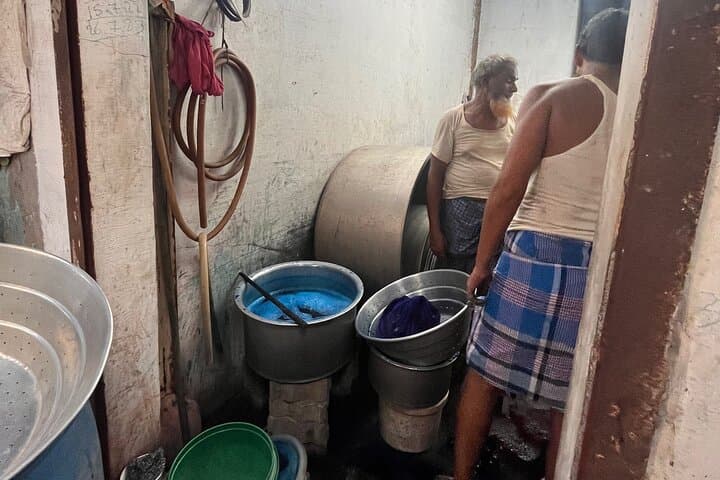
You step off at Third Wave Coffee and a corridor of narrow lanes folds around you — laundry lines overhead, small furnaces puffing, and the steady rhythm of hands at work. The guide moves with practiced ease, introducing faces, businesses and the busy hum of slaughtered seconds and salvaged goods that keep this place alive.
You step off at Third Wave Coffee and a corridor of narrow lanes folds around you — laundry lines overhead, small furnaces puffing, and the steady rhythm of hands at work. The guide moves with practiced ease, introducing faces, businesses and the busy hum of slaughtered seconds and salvaged goods that keep this place alive.
Dharavi sits on reclaimed marshland between the Mithi River and Mumbai’s industrial spine. Once a cluster of fishing settlements, it transformed under colonial and post‑independence migration into one of the city’s most densely used pockets. Geology here matters in small ways: thin soils, reclaimed flats, and a grid of makeshift structures that lean into every available space.
Culture and commerce coexist; leather tanneries, textile workshops, and the famed Kumbharwada pottery colony operate side‑by‑side with family homes. Local guides—often residents—translate the community’s ingenuity: how waste becomes raw material, how micro‑businesses support entire households, and how religious and cultural life threads across narrow streets.
Practical guidance is straightforward. This two‑hour walking tour is physically easy but demands respectful curiosity: ask before photographing, follow the guide’s route, and keep to the lanes. Wear closed‑toe shoes for uneven surfaces, carry a reusable water bottle, and bring small notes for purchases if you want to support artisans. Avoid monsoon downpours (June–September) when lanes can flood.
An urban walk more than a sightseeing stop, this experience offers direct encounters with livelihoods, craft, and community-led storytelling—useful for travelers who want context, not spectacle.