THE ADVENTURE COLLECTIVE® · Independent discovery and booking for outdoor travel

Wander 24 acres of climate-wise planting at Denver Botanic Gardens, where xeric beds meet a tropical conservatory and rooftop children’s play gardens. This practical guide covers what to see, how to move through the grounds, and sensible gear and timing for a smooth visit.
Wander 24 acres of climate-wise planting at Denver Botanic Gardens, where xeric beds meet a tropical conservatory and rooftop children’s play gardens. This practical guide covers what to see, how to move through the grounds, and sensible gear and timing for a smooth visit.
A morning at Denver Botanic Gardens opens with a cool, dry Denver breeze pushing through maples and sculpted beds, the city’s skyline peeking over a rim of conifers. Walkways curve between sun-washed xeric plots and shaded arboreta; a conservatory breathes warm, humid air where tropical palms push toward glass.
Verified experiences and guided adventures in the surrounding area.
Operated by Denver Botanic Gardens · Denver, Colorado
A morning at Denver Botanic Gardens opens with a cool, dry Denver breeze pushing through maples and sculpted beds, the city’s skyline peeking over a rim of conifers. Walkways curve between sun-washed xeric plots and shaded arboreta; a conservatory breathes warm, humid air where tropical palms push toward glass.
Founded in 1951, the York Street location sits on 24 acres of curated climates that illustrate plants from high-altitude prairie to the tropics. Geology shows itself in rock beds and alpine displays—stone and soil that mimic Colorado’s short growing season and thin, well-draining substrates. Culturally, the Gardens marry European garden-making with Western drought-wise practices, and public art and rotating exhibitions keep the visit fresh through the year.
Expect clearly signed paths, mostly paved and wheelchair-accessible routes, with a few gravel alleys where different lines offer quieter views. The Mordecai Children’s Garden on the rooftop is tactile and seasonal; art installations and the Boettcher Memorial Tropical Conservatory are indoor options when weather tightens. Food options include Offshoots Café year-round and The Hive Garden Bistro in warmer months.
Practical tips: plan 60–180 minutes depending on pace; arrive early for calmer paths and better light for photos. Wear supportive walking shoes—some gravel and stairs appear on side routes—and bring a refillable water bottle: Denver’s altitude and sun dry you out faster than you think. If visiting for special events (Blossoms of Light, ticketed exhibits), buy separate tickets. The Gardens operate year-round; dress in layers for spring and fall, and sunscreen and shade for high-sun summer afternoons.
easy.
1–3 hours.
Light to moderate walking ability; routes are accessible but involve standing and some uneven surfaces
Allocate 60–180 minutes depending on pace; a focused visit can be an hour, while a leisurely tour with a café stop can take two to three hours.
Yes—nearly all routes are wheelchair and stroller accessible, though a few gravel paths and stairs have alternate accessible routes available.
Pets are not permitted except for service animals; check the Gardens’ policies for exceptions on special event days.
Yes—seasonal attractions like Blossoms of Light and some exhibitions require separate, timed tickets beyond general admission.
Established in 1951, the York Street Gardens grew into a hub for plant conservation and public education, highlighting both native Colorado flora and global collections.
The Gardens emphasize drought-tolerant landscaping, native-plant research, and public education to reduce water use and support urban biodiversity.
Denver Botanic Gardens operates guided outdoor trips and adventures with an emphasis on safety, stewardship, and memorable experiences.
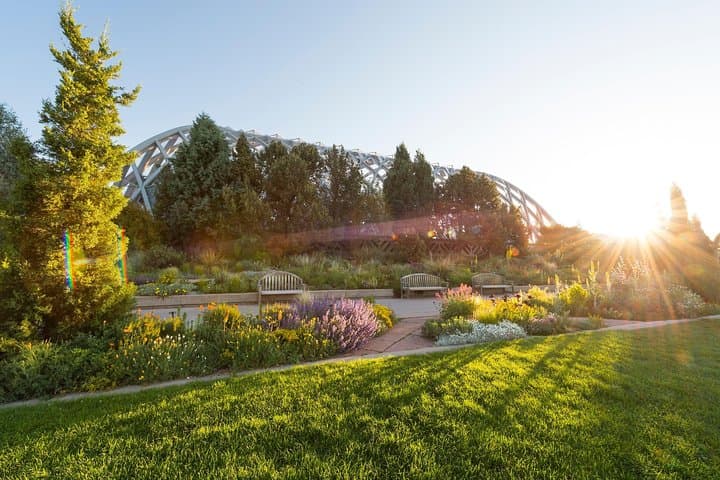
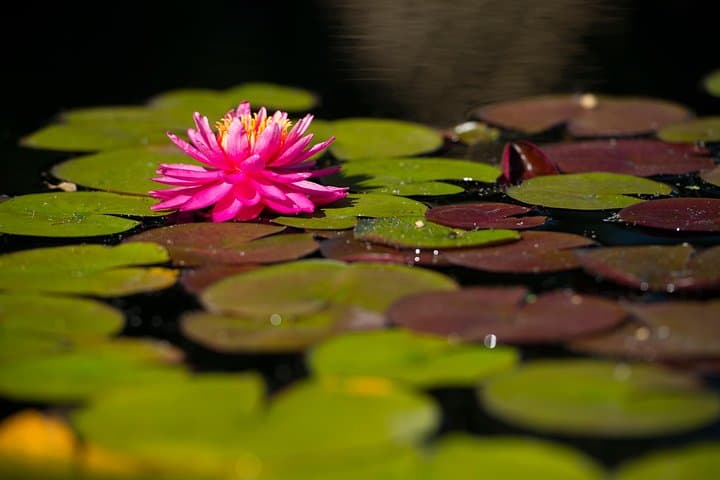
A morning at Denver Botanic Gardens opens with a cool, dry Denver breeze pushing through maples and sculpted beds, the city’s skyline peeking over a rim of conifers. Walkways curve between sun-washed xeric plots and shaded arboreta; a conservatory breathes warm, humid air where tropical palms push toward glass.
A morning at Denver Botanic Gardens opens with a cool, dry Denver breeze pushing through maples and sculpted beds, the city’s skyline peeking over a rim of conifers. Walkways curve between sun-washed xeric plots and shaded arboreta; a conservatory breathes warm, humid air where tropical palms push toward glass.
Founded in 1951, the York Street location sits on 24 acres of curated climates that illustrate plants from high-altitude prairie to the tropics. Geology shows itself in rock beds and alpine displays—stone and soil that mimic Colorado’s short growing season and thin, well-draining substrates. Culturally, the Gardens marry European garden-making with Western drought-wise practices, and public art and rotating exhibitions keep the visit fresh through the year.
Expect clearly signed paths, mostly paved and wheelchair-accessible routes, with a few gravel alleys where different lines offer quieter views. The Mordecai Children’s Garden on the rooftop is tactile and seasonal; art installations and the Boettcher Memorial Tropical Conservatory are indoor options when weather tightens. Food options include Offshoots Café year-round and The Hive Garden Bistro in warmer months.
Practical tips: plan 60–180 minutes depending on pace; arrive early for calmer paths and better light for photos. Wear supportive walking shoes—some gravel and stairs appear on side routes—and bring a refillable water bottle: Denver’s altitude and sun dry you out faster than you think. If visiting for special events (Blossoms of Light, ticketed exhibits), buy separate tickets. The Gardens operate year-round; dress in layers for spring and fall, and sunscreen and shade for high-sun summer afternoons.