THE ADVENTURE COLLECTIVE® · Independent discovery and booking for outdoor travel

Descend into Cueva de los Tayos on a multi-day expedition that pairs technical caving — including a 70 m rappel — with river travel and stays in Shuar communities. Expect challenging terrain, expert guides, and deep cultural insights.
Descend into Cueva de los Tayos on a multi-day expedition that pairs technical caving — including a 70 m rappel — with river travel and stays in Shuar communities. Expect challenging terrain, expert guides, and deep cultural insights.
Dawn at the river feels like an invitation: mist lifts off the Santiago and the canoe’s bow parts the water as guides steer toward the rainforest throat that hides Cueva de los Tayos.
Verified experiences and guided adventures in the surrounding area.
Operated by Live Ecuador Tours · Méndez, Morona-Santiago
Dawn at the river feels like an invitation: mist lifts off the Santiago and the canoe’s bow parts the water as guides steer toward the rainforest throat that hides Cueva de los Tayos.
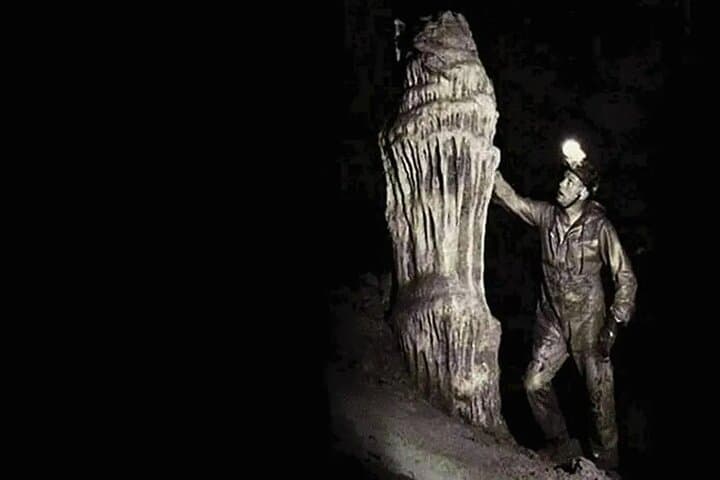
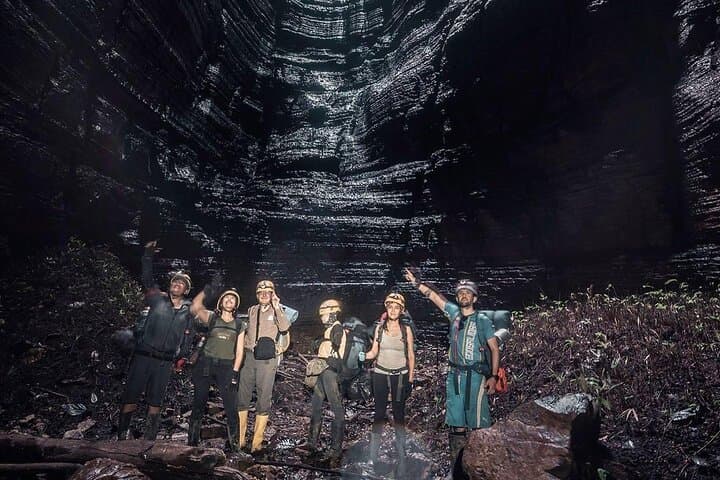
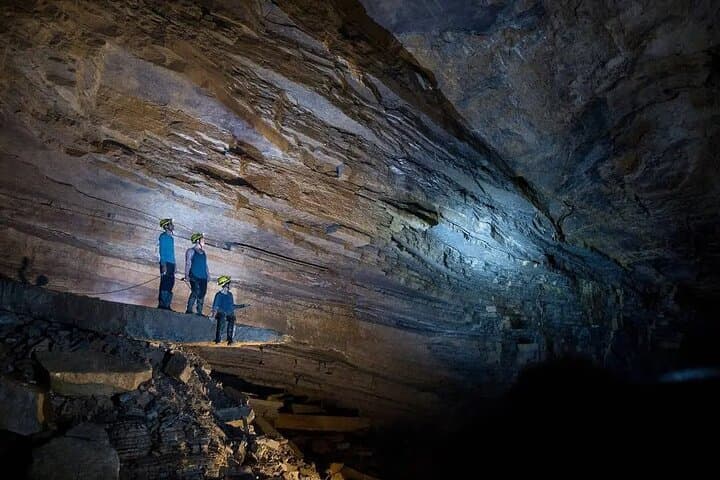
The cave sits in Morona‑Santiago province, an underground maze long known to the Shuar people and brought to wider attention in the 20th century. Geologically, the system cuts through sandstone and older sedimentary layers, with deep vertical chimneys and large caverns carved by water over millennia. Visitors will pass through Shuar communities, cross braided rivers by raft and rope, then rappel 70 meters into a cathedral of stalactites where amphitheaters, cascades and fossil-rich walls record the cave’s slow history.
Culturally the trip is as much a human story as a natural one: expect hospitality from local families, meals prepared on wood fires, and guides who blend technical cave skills with regional knowledge. Practically, this is a committed expedition — multi‑day hiking, river travel, rope work and camping inside the cave. Guides provide technical gear, but you’ll need strong footing, steady hands, and comfort with confined, dark spaces.
Plan for hot, humid days and cool, damp nights underground; waterproof layers and redundant light sources are essential. Hydrate often, protect electronics from humidity, and accept a slower rhythm: river current, jungle trail, and rope creak will set the pace. For adventurous hikers who want a technical, immersive cave experience combined with cultural exchange, Cueva de los Tayos delivers rare sights and a demanding, unforgettable itinerary.
challenging.
4–5 days.
Good cardiovascular fitness and leg strength for long jungle hikes, river crossings, and carrying a daypack; comfortable with confined spaces
No formal experience required, but you should be comfortable with rappelling/ascending on ropes and moving in confined, dark spaces; guides run safety briefings and provide gear.
Yes — the tour includes registration and military-authorized permits required to enter the protected area.
The cave is in a remote rainforest region reached by multi-hour overland travel and river; guides are trained in first aid and the itinerary includes communication plans and evacuation procedures when needed.
Guided cave camping is practiced here with solid protocol: guides provide insulation, sleeping systems and oversee campsite placement to minimize environmental impact and ensure safety.
The cave has long significance for the Shuar and gained international attention in the 20th century; recent expeditions focused on exploration and documentation rather than sensational claims.
Visits are regulated with permits and local guide oversight; stick to established routes, carry out waste, and follow community rules to limit impact.
Live Ecuador Tours operates guided outdoor trips and adventures with an emphasis on safety, stewardship, and memorable experiences.
Dawn at the river feels like an invitation: mist lifts off the Santiago and the canoe’s bow parts the water as guides steer toward the rainforest throat that hides Cueva de los Tayos.
Dawn at the river feels like an invitation: mist lifts off the Santiago and the canoe’s bow parts the water as guides steer toward the rainforest throat that hides Cueva de los Tayos.
The cave sits in Morona‑Santiago province, an underground maze long known to the Shuar people and brought to wider attention in the 20th century. Geologically, the system cuts through sandstone and older sedimentary layers, with deep vertical chimneys and large caverns carved by water over millennia. Visitors will pass through Shuar communities, cross braided rivers by raft and rope, then rappel 70 meters into a cathedral of stalactites where amphitheaters, cascades and fossil-rich walls record the cave’s slow history.
Culturally the trip is as much a human story as a natural one: expect hospitality from local families, meals prepared on wood fires, and guides who blend technical cave skills with regional knowledge. Practically, this is a committed expedition — multi‑day hiking, river travel, rope work and camping inside the cave. Guides provide technical gear, but you’ll need strong footing, steady hands, and comfort with confined, dark spaces.
Plan for hot, humid days and cool, damp nights underground; waterproof layers and redundant light sources are essential. Hydrate often, protect electronics from humidity, and accept a slower rhythm: river current, jungle trail, and rope creak will set the pace. For adventurous hikers who want a technical, immersive cave experience combined with cultural exchange, Cueva de los Tayos delivers rare sights and a demanding, unforgettable itinerary.