THE ADVENTURE COLLECTIVE® · Independent discovery and booking for outdoor travel

Discover Croatia’s rich cultural and historical heritage on a private seven-day tour of seven UNESCO World Heritage sites. From Dubrovnik’s fortified walls to Montenegro’s Bay of Kotor, journey through centuries of Mediterranean history paired with scenic coastal views.
Discover Croatia’s rich cultural and historical heritage on a private seven-day tour of seven UNESCO World Heritage sites. From Dubrovnik’s fortified walls to Montenegro’s Bay of Kotor, journey through centuries of Mediterranean history paired with scenic coastal views.
Cruising through Croatia’s coastline and hinterlands on a private, seven-day tour offers an unmatched survey of the country’s UNESCO World Heritage sites. This journey threads past fortified medieval towns, ancient cathedrals, and natural landscapes shaped into cultural landmarks over centuries.
Verified experiences and guided adventures in the surrounding area.
Operated by Elelo · Dubrovnik, Dubrovnik-Neretva County
Cruising through Croatia’s coastline and hinterlands on a private, seven-day tour offers an unmatched survey of the country’s UNESCO World Heritage sites. This journey threads past fortified medieval towns, ancient cathedrals, and natural landscapes shaped into cultural landmarks over centuries.
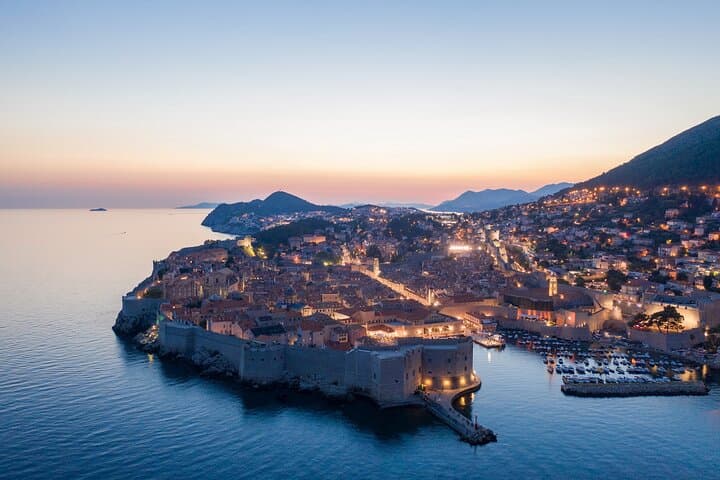
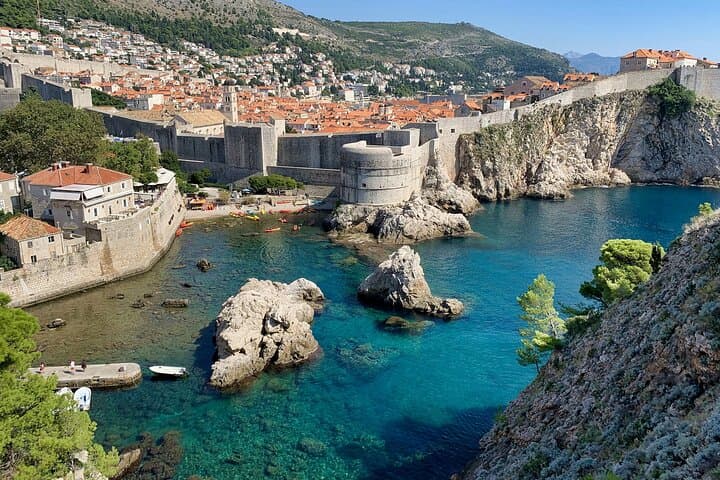
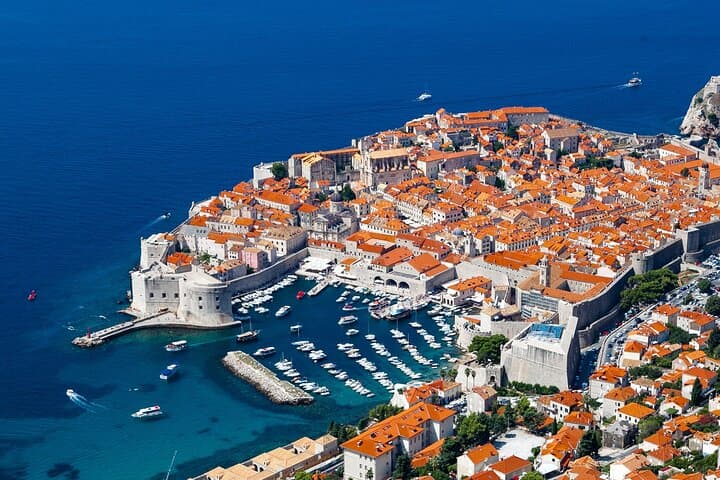
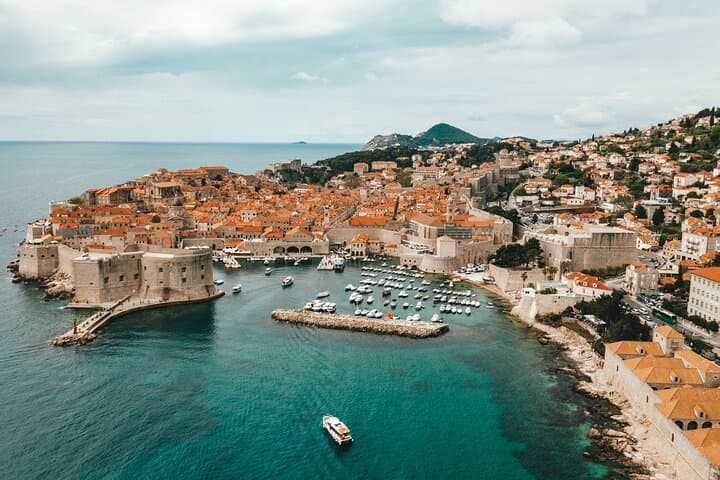
Your tour begins in Dubrovnik, where the city’s stone walls dare you to explore their nearly two-kilometer circuit. These walls, standing 6 to 8 meters high, shield a historic core rich with 15th to 18th-century architecture. Walking the limestone-paved Stradun, you traverse streets once trod by medieval knights, past the venerable Orlando’s Column and the stately rector’s palace—resonating with Gothic, Renaissance, and Baroque whispers.
Beyond Croatia’s borders, the tour veers to Montenegro’s Bay of Kotor, a natural harbor steeped in maritime history. The bay’s calm waters reflect centuries of Venetian defense works, a sprawling network of forts spanning over 1,000 kilometers along the Adriatic. Quiet villages like Muo offer mountaintop views that invite reflection on the centuries-old blend of Mediterranean cultures that permeate this region.
Mid-tour invites moments of leisure: a boat ride around the southern Dalmatian islands or a visit to Pelješac’s vineyards for local wine tasting. These pauses complement days spent witnessing the Ottoman-era Old Bridge in Mostar and the Renaissance marvel of Šibenik’s Cathedral of St James. Each UNESCO site unfolds a chapter of regional history, from medieval commerce to cultural crosswinds between the Adriatic and Balkans.
Practical details matter on this immersive route. While the physical demands are moderate, expect walking on uneven stone streets and some uphill stretches inside historic towns. Comfortable footwear with solid grip is essential, especially for navigating narrow alleys and ramparts.
The best travel window spans spring through early fall, with milder temperatures favoring outdoor exploration. Pack layers for variable temperatures—coastal mornings can be brisk, while afternoons warm under the Adriatic sun. Hydration remains crucial, and local cafés offer ideal stops for replenishing while savoring regional flavors.
Each day provides a balanced blend of guided tours and private moments—giving space to absorb the rich cultural tapestry and dramatic landscapes. By week’s end, this seven-day itinerary leaves travelers not only with photographs but with a comprehensive understanding of how history and nature meet along Croatia’s stunning shores.
Careful planning ensures seamless transfers between sites, often including hotel accommodations in five-star comfort. Whether marveling at fortifications or sipping wine by the sea, this tour invites adventurers to step deliberately into the layered stories of Croatia and its neighbors.
moderate.
7 days.
Good walking fitness is recommended for navigating cobbled streets, some stairs, and uneven terrain during city tours and natural sites.
The tour generally includes breakfast and select dinners, with options to explore local cuisine independently during free time.
The tour is suitable for all fitness levels, including children and elderly travelers, as walking is moderate and accommodations are comfortable.
Yes, the private nature of the tour allows for adjustments based on interests and pace upon request.
Spring through early fall offers optimal weather, balancing mild temperatures and fewer crowds.
Yes, transfers and accommodations, often in 5-star hotels, are included for convenience and comfort.
Travelers should check visa requirements for Montenegro, as it may differ from Croatia depending on nationality.
The Venetian Works of Defence illustrate Venice’s strategic role during the 16th and 17th centuries in protecting Adriatic trade routes.
UNESCO sites in the region practice active preservation to balance tourism impact and protect fragile historic and natural environments.
Elelo operates guided outdoor trips and adventures with an emphasis on safety, stewardship, and memorable experiences.
Cruising through Croatia’s coastline and hinterlands on a private, seven-day tour offers an unmatched survey of the country’s UNESCO World Heritage sites. This journey threads past fortified medieval towns, ancient cathedrals, and natural landscapes shaped into cultural landmarks over centuries.
Cruising through Croatia’s coastline and hinterlands on a private, seven-day tour offers an unmatched survey of the country’s UNESCO World Heritage sites. This journey threads past fortified medieval towns, ancient cathedrals, and natural landscapes shaped into cultural landmarks over centuries.
Your tour begins in Dubrovnik, where the city’s stone walls dare you to explore their nearly two-kilometer circuit. These walls, standing 6 to 8 meters high, shield a historic core rich with 15th to 18th-century architecture. Walking the limestone-paved Stradun, you traverse streets once trod by medieval knights, past the venerable Orlando’s Column and the stately rector’s palace—resonating with Gothic, Renaissance, and Baroque whispers.
Beyond Croatia’s borders, the tour veers to Montenegro’s Bay of Kotor, a natural harbor steeped in maritime history. The bay’s calm waters reflect centuries of Venetian defense works, a sprawling network of forts spanning over 1,000 kilometers along the Adriatic. Quiet villages like Muo offer mountaintop views that invite reflection on the centuries-old blend of Mediterranean cultures that permeate this region.
Mid-tour invites moments of leisure: a boat ride around the southern Dalmatian islands or a visit to Pelješac’s vineyards for local wine tasting. These pauses complement days spent witnessing the Ottoman-era Old Bridge in Mostar and the Renaissance marvel of Šibenik’s Cathedral of St James. Each UNESCO site unfolds a chapter of regional history, from medieval commerce to cultural crosswinds between the Adriatic and Balkans.
Practical details matter on this immersive route. While the physical demands are moderate, expect walking on uneven stone streets and some uphill stretches inside historic towns. Comfortable footwear with solid grip is essential, especially for navigating narrow alleys and ramparts.
The best travel window spans spring through early fall, with milder temperatures favoring outdoor exploration. Pack layers for variable temperatures—coastal mornings can be brisk, while afternoons warm under the Adriatic sun. Hydration remains crucial, and local cafés offer ideal stops for replenishing while savoring regional flavors.
Each day provides a balanced blend of guided tours and private moments—giving space to absorb the rich cultural tapestry and dramatic landscapes. By week’s end, this seven-day itinerary leaves travelers not only with photographs but with a comprehensive understanding of how history and nature meet along Croatia’s stunning shores.
Careful planning ensures seamless transfers between sites, often including hotel accommodations in five-star comfort. Whether marveling at fortifications or sipping wine by the sea, this tour invites adventurers to step deliberately into the layered stories of Croatia and its neighbors.