THE ADVENTURE COLLECTIVE® · Independent discovery and booking for outdoor travel

Discover the raw power and serene beauty of Croatia’s Krka National Park on a private day tour from Zagreb. From cascading waterfalls to historic river mills, this full-day adventure blends accessible nature with deep cultural insights.
Discover the raw power and serene beauty of Croatia’s Krka National Park on a private day tour from Zagreb. From cascading waterfalls to historic river mills, this full-day adventure blends accessible nature with deep cultural insights.
In the early light of a Croatian morning, your driver collects you from your Zagreb accommodation, setting the tone for a day where nature commands attention. The road winds southward through the Dalmatian hinterlands, a changing mosaic of farmland and forest that edges closer to the Adriatic’s influence as you near Krka National Park.
Verified experiences and guided adventures in the surrounding area.
Operated by Budget Transfer Croatia · Zagreb, Zagreb County
In the early light of a Croatian morning, your driver collects you from your Zagreb accommodation, setting the tone for a day where nature commands attention. The road winds southward through the Dalmatian hinterlands, a changing mosaic of farmland and forest that edges closer to the Adriatic’s influence as you near Krka National Park.
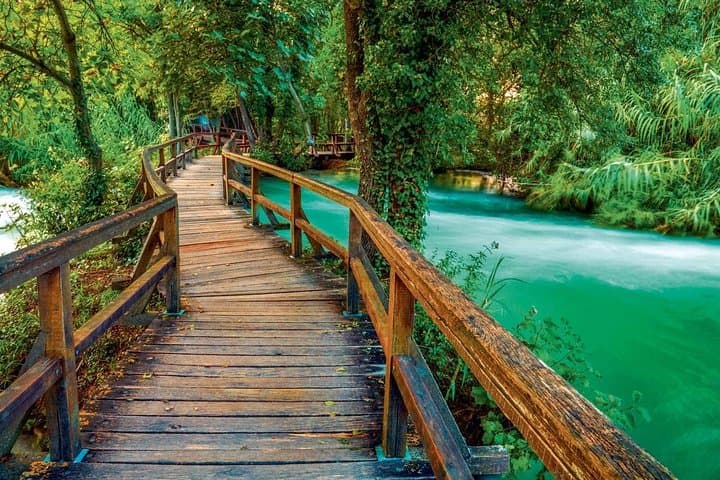
Stretching over 142 square kilometers, the park owes its existence and name to the Krka River, which carves its path through limestone cliffs and verdant valleys. The river itself feels alive here—sometimes a gentle companion, at others a forceful presence crashing over rocks and daring hikers to venture closer.
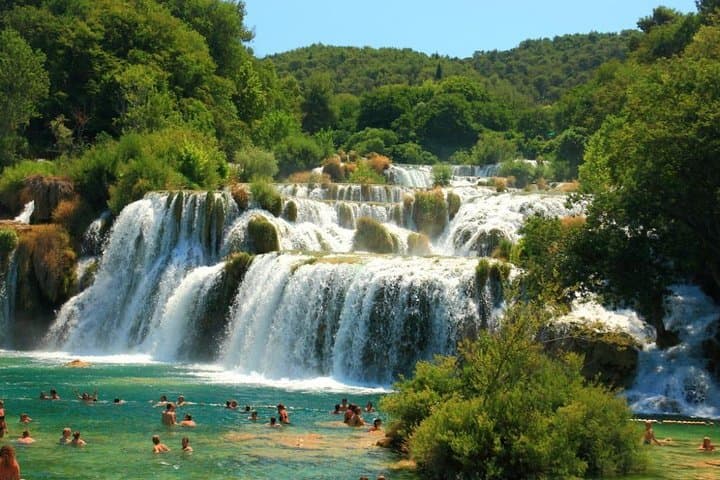
The centerpiece of Krka’s natural theater is Skradinski Buk, a sprawling cascade of waterfalls that step down over travertine terraces, sculpted magically by mineral-rich waters. Unlike some protected parks where swimming is off limits, here the steady pools invite swimmers to cool off—or at least soak their feet amid the fresh current.
Your local guide steers you through the park’s well-maintained paths, offering insight into how these waters have shaped both the geology and the culture around them. The landscape's limestone underpinnings date back millions of years, and nearby historic mills and traditional villages whisper of human endeavors in tune with this river’s ebb and flow.
Krka National Park offers more than water and rocks. It is a sanctuary for wildlife, from herons gliding low over the river to elusive otters patrolling the banks. Their presence is a gentle reminder of the ecological balance the park strives to maintain.
For travelers, the seamless private tour makes this one of the most accessible yet immersive ways to engage with the region’s cultural and natural highlights. Starting and ending in Zagreb, the full-day itinerary maximizes time in the park while relieving the logistical demands that might otherwise complicate a solo excursion.
Plan for a full-day commitment (approximately 11 hours), wearing sturdy walking shoes suited for some uneven terrain and potentially slippery boardwalks near the falls. Hydration and sun protection remain essentials, especially in warmer months, as the open landscapes expose visitors to sun and breeze alike.
Early morning departures help avoid the mid-day crowds, and traveling with a guide ensures you’re not just following signs but uncovering stories—the historical context of the mills, the cycles of the river, and the conservation efforts protecting this living system. Whether you’re capturing photos of cascading water framed by emerald foliage or simply absorbing the rush of the falls, Krka commands respect and awe in equal measure.
By evening, the return drive to Zagreb carries you back through placid landscapes, your day etched with the clarity that comes from time well spent outdoors, in a Croatian jewel where water continues to shape the land—and the experiences of all who visit it.
easy.
10–11 hours.
Suitable for most fitness levels; expect gentle walking with some boardwalk and uneven terrain.
Yes, swimming is permitted in designated areas, primarily near Skradinski Buk during warmer months.
The drive typically takes around 1.5 to 2 hours each way, depending on traffic and season.
No, the tour is suitable for all ages and fitness levels since the walking is moderate and manageable.
Krka National Park is open year-round, but accessibility to some areas may vary with weather conditions.
Meals are not included, so it’s advised to bring snacks or plan to eat at park facilities or nearby towns.
Yes, local guides provide detailed insights into both the cultural heritage and natural environment of Krka.
Krka River has powered settlements and mills for centuries, playing a central role in local livelihoods and culture.
The park actively manages visitor impact to protect its delicate travertine formations and biodiversity, encouraging responsible tourism.
Budget Transfer Croatia operates guided outdoor trips and adventures with an emphasis on safety, stewardship, and memorable experiences.
In the early light of a Croatian morning, your driver collects you from your Zagreb accommodation, setting the tone for a day where nature commands attention. The road winds southward through the Dalmatian hinterlands, a changing mosaic of farmland and forest that edges closer to the Adriatic’s influence as you near Krka National Park.
In the early light of a Croatian morning, your driver collects you from your Zagreb accommodation, setting the tone for a day where nature commands attention. The road winds southward through the Dalmatian hinterlands, a changing mosaic of farmland and forest that edges closer to the Adriatic’s influence as you near Krka National Park.
Stretching over 142 square kilometers, the park owes its existence and name to the Krka River, which carves its path through limestone cliffs and verdant valleys. The river itself feels alive here—sometimes a gentle companion, at others a forceful presence crashing over rocks and daring hikers to venture closer.
The centerpiece of Krka’s natural theater is Skradinski Buk, a sprawling cascade of waterfalls that step down over travertine terraces, sculpted magically by mineral-rich waters. Unlike some protected parks where swimming is off limits, here the steady pools invite swimmers to cool off—or at least soak their feet amid the fresh current.
Your local guide steers you through the park’s well-maintained paths, offering insight into how these waters have shaped both the geology and the culture around them. The landscape's limestone underpinnings date back millions of years, and nearby historic mills and traditional villages whisper of human endeavors in tune with this river’s ebb and flow.
Krka National Park offers more than water and rocks. It is a sanctuary for wildlife, from herons gliding low over the river to elusive otters patrolling the banks. Their presence is a gentle reminder of the ecological balance the park strives to maintain.
For travelers, the seamless private tour makes this one of the most accessible yet immersive ways to engage with the region’s cultural and natural highlights. Starting and ending in Zagreb, the full-day itinerary maximizes time in the park while relieving the logistical demands that might otherwise complicate a solo excursion.
Plan for a full-day commitment (approximately 11 hours), wearing sturdy walking shoes suited for some uneven terrain and potentially slippery boardwalks near the falls. Hydration and sun protection remain essentials, especially in warmer months, as the open landscapes expose visitors to sun and breeze alike.
Early morning departures help avoid the mid-day crowds, and traveling with a guide ensures you’re not just following signs but uncovering stories—the historical context of the mills, the cycles of the river, and the conservation efforts protecting this living system. Whether you’re capturing photos of cascading water framed by emerald foliage or simply absorbing the rush of the falls, Krka commands respect and awe in equal measure.
By evening, the return drive to Zagreb carries you back through placid landscapes, your day etched with the clarity that comes from time well spent outdoors, in a Croatian jewel where water continues to shape the land—and the experiences of all who visit it.