THE ADVENTURE COLLECTIVE® · Independent discovery and booking for outdoor travel

Take a focused, two-hour private tour of Cluny Abbey with an official guide. Learn the abbey’s role in medieval reform, explore its Romanesque fragments and museum, and get practical tips for a comfortable visit.
Take a focused, two-hour private tour of Cluny Abbey with an official guide. Learn the abbey’s role in medieval reform, explore its Romanesque fragments and museum, and get practical tips for a comfortable visit.
You step through a low stone arch and the town’s noise thins—vaulted ribs and the cool hush of carved capitals drawing your pace inward. Light falls in narrow bands across worn flagstones; the guide’s voice threads dates and decisions into the air as you move through the remains of what was once Europe’s most influential monastery.
Verified experiences and guided adventures in the surrounding area.
Operated by My-City-Tour.com · Cluny, Bourgogne-Franche-Comté
You step through a low stone arch and the town’s noise thins—vaulted ribs and the cool hush of carved capitals drawing your pace inward. Light falls in narrow bands across worn flagstones; the guide’s voice threads dates and decisions into the air as you move through the remains of what was once Europe’s most influential monastery.
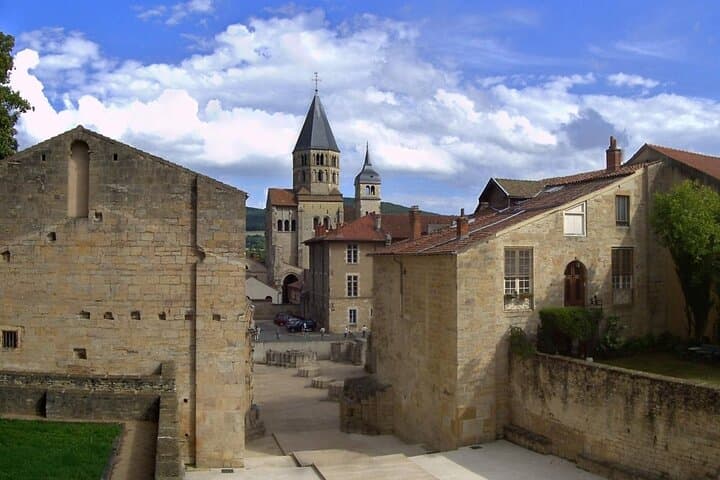
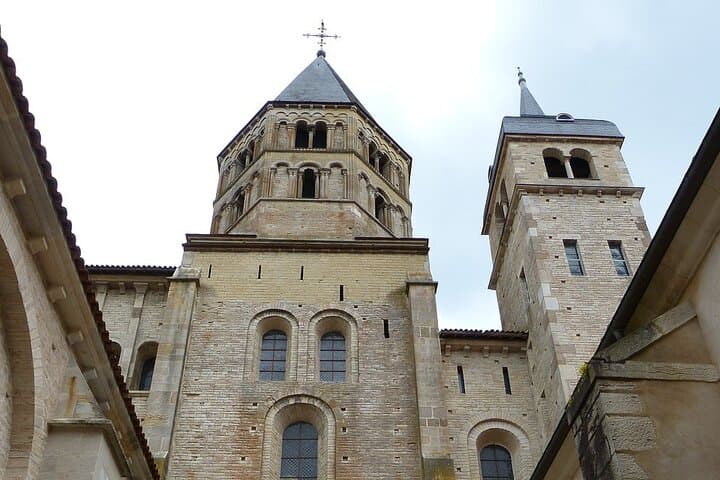
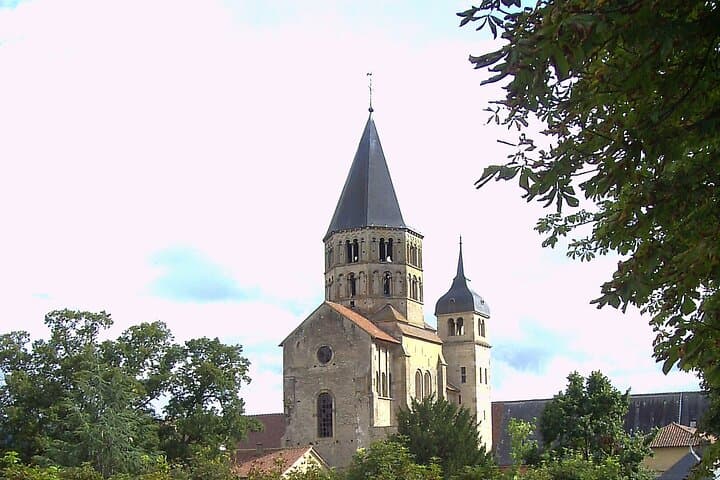
Cluny’s story is civic and architectural. Founded in 910 during the early medieval shift toward centralized monastic reform, the abbey grew into Cluny III in the 10th–12th centuries, at one time housing a church larger than any cathedral in France. The site layers archaeology, sculpted stone, and a museum that preserves liturgical objects and fragments of Romanesque carving. Geologically, the limestone of Burgundy gives the masonry its pale, tactile quality; locally quarried stone and centuries of weathering create the textures you’ll study up close.
Culturally, the abbey shaped liturgy and pilgrimage routes; your guide will link carved motifs to the Benedictine rhythms that dominated medieval Europe. Practical guidance follows: the tour runs two hours with admission included, so arrive 10–15 minutes early to meet at the main entrance. Wear flat, grippy shoes—some museum thresholds and archaeological areas have uneven stone. Plan for photography without flash, and bring a light layer for cool interiors. The tour is accessible to most visitors, with staff able to advise on specific mobility needs.
This private visit balances close reading of architecture with clear historical context—ideal for travelers who want the textures of medieval life explained, not just pointed out.
easy.
2 hours.
Suitable for most fitness levels; involves standing and slow walking for two hours
Yes—entrance tickets are included with this private guided tour, so no separate purchase is necessary.
Yes; the tour is family-friendly and strollers are allowed, though some exhibit areas may be tight.
The site reports accessibility for wheelchairs in most areas; contact the operator ahead of time to plan alternate access if needed.
Photography is generally permitted without flash, but check signage in specific galleries and be mindful of other visitors.
Cluny was a center of the Cluniac reforms beginning in the 10th century and at its height controlled hundreds of priories, influencing church architecture and liturgy across Europe.
Ongoing conservation balances public access with preservation—visitors are encouraged to stick to pathways and avoid touching fragile masonry or carved surfaces.
My-City-Tour.com operates guided outdoor trips and adventures with an emphasis on safety, stewardship, and memorable experiences.
You step through a low stone arch and the town’s noise thins—vaulted ribs and the cool hush of carved capitals drawing your pace inward. Light falls in narrow bands across worn flagstones; the guide’s voice threads dates and decisions into the air as you move through the remains of what was once Europe’s most influential monastery.
You step through a low stone arch and the town’s noise thins—vaulted ribs and the cool hush of carved capitals drawing your pace inward. Light falls in narrow bands across worn flagstones; the guide’s voice threads dates and decisions into the air as you move through the remains of what was once Europe’s most influential monastery.
Cluny’s story is civic and architectural. Founded in 910 during the early medieval shift toward centralized monastic reform, the abbey grew into Cluny III in the 10th–12th centuries, at one time housing a church larger than any cathedral in France. The site layers archaeology, sculpted stone, and a museum that preserves liturgical objects and fragments of Romanesque carving. Geologically, the limestone of Burgundy gives the masonry its pale, tactile quality; locally quarried stone and centuries of weathering create the textures you’ll study up close.
Culturally, the abbey shaped liturgy and pilgrimage routes; your guide will link carved motifs to the Benedictine rhythms that dominated medieval Europe. Practical guidance follows: the tour runs two hours with admission included, so arrive 10–15 minutes early to meet at the main entrance. Wear flat, grippy shoes—some museum thresholds and archaeological areas have uneven stone. Plan for photography without flash, and bring a light layer for cool interiors. The tour is accessible to most visitors, with staff able to advise on specific mobility needs.
This private visit balances close reading of architecture with clear historical context—ideal for travelers who want the textures of medieval life explained, not just pointed out.