THE ADVENTURE COLLECTIVE® · Independent discovery and booking for outdoor travel

Walk through Chitila’s forgotten military base on a three-hour guided tour that blends 140 years of history with eerie, tangible ruins. Expect level but uneven walking, strong photo opportunities, and a guide-led narrative that ties local folklore to documented events.
Walk through Chitila’s forgotten military base on a three-hour guided tour that blends 140 years of history with eerie, tangible ruins. Expect level but uneven walking, strong photo opportunities, and a guide-led narrative that ties local folklore to documented events.
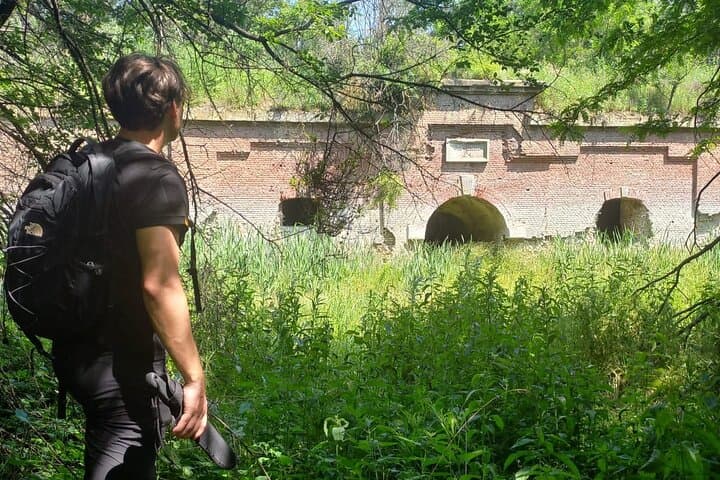
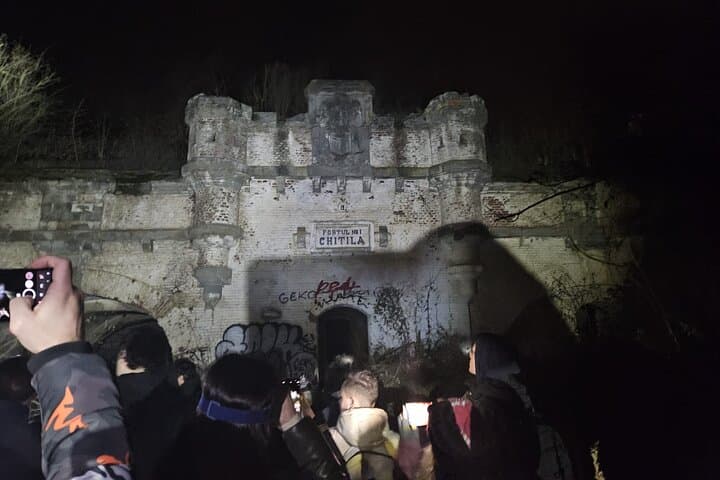
The gate yawns open to a place where concrete and iron keep their secrets. Under a low sky northwest of Bucharest, a guide leads the group across cracked asphalt and overgrown tracks, the hush broken only by footsteps and wind moving through hollow barracks.
Verified experiences and guided adventures in the surrounding area.
Operated by ETTA Mundo · Chitila, Ilfov County
The gate yawns open to a place where concrete and iron keep their secrets. Under a low sky northwest of Bucharest, a guide leads the group across cracked asphalt and overgrown tracks, the hush broken only by footsteps and wind moving through hollow barracks.
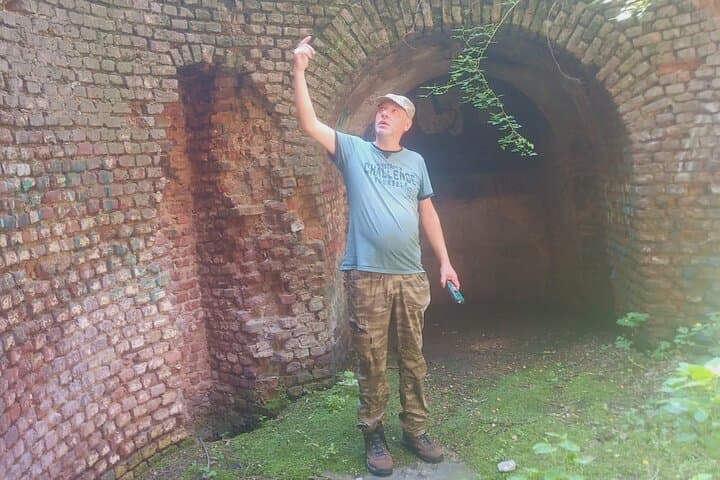
This three-hour guided walk moves through a military base complex at Chitila with origins stretching back more than a century. The site sits on terrain shaped by Pleistocene terraces and alluvial deposits from nearby river channels—hard-packed ground under thin topsoil that preserves concrete emplacements and buried utilities. Culturally, the base mirrors Romania’s layered past: Ottoman-era border anxieties, Austro-Hungarian influence on military engineering, and 20th-century strategic expansion. Stories of abandoned stores, radio rooms and watch towers are part local folklore, part documented history; guides mix archival context with eyewitness recollections.
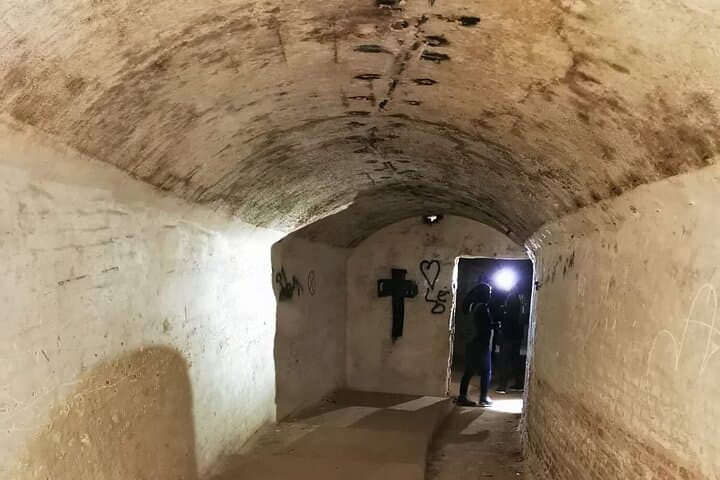
Expect tight corridors, shattered windows and large open parade grounds overtaken by grass. The experience is atmospheric rather than strenuous—mostly level walking with occasional uneven surfaces and short climbs over rubble. Photography is a highlight; light angles in late afternoon give strong contrast to walls and rusted hardware.
Practical notes: wear sturdy shoes, bring water and a light jacket (wind can be abrupt across exposed yards). Tours operate with private transport and hotel pick-up; times are flexible. Respect posted boundaries, follow the guide’s lead near unstable structures, and avoid handling artifacts. This is a history-forward exploration that blends urban archaeology with the slow reclamation of a landscape by nature.
easy.
3 hours.
Suitable for casual walkers and most fitness levels; expect level terrain with short uneven sections.
The tour is family-friendly but not recommended for very young children without close supervision due to uneven ground and unstable surfaces.
Photography is generally permitted; drones are usually restricted—confirm with the operator ahead of time to avoid legal issues.
This private tour includes hotel pick-up and drop-off or arranged meeting points; confirm pickup location when you book.
No—removing artifacts is discouraged and may be illegal; handle nothing fragile and follow guide instructions to protect the site.
The Chitila complex grew over roughly 140 years as Romania modernized its defenses; layers of build-and-abandon reflect shifting military doctrine and political change.
Structures are deteriorating and hazardous—tours focus on low-impact visitation and discourage artifact removal to preserve historical fabric.
ETTA Mundo operates guided outdoor trips and adventures with an emphasis on safety, stewardship, and memorable experiences.
The gate yawns open to a place where concrete and iron keep their secrets. Under a low sky northwest of Bucharest, a guide leads the group across cracked asphalt and overgrown tracks, the hush broken only by footsteps and wind moving through hollow barracks.
The gate yawns open to a place where concrete and iron keep their secrets. Under a low sky northwest of Bucharest, a guide leads the group across cracked asphalt and overgrown tracks, the hush broken only by footsteps and wind moving through hollow barracks.
This three-hour guided walk moves through a military base complex at Chitila with origins stretching back more than a century. The site sits on terrain shaped by Pleistocene terraces and alluvial deposits from nearby river channels—hard-packed ground under thin topsoil that preserves concrete emplacements and buried utilities. Culturally, the base mirrors Romania’s layered past: Ottoman-era border anxieties, Austro-Hungarian influence on military engineering, and 20th-century strategic expansion. Stories of abandoned stores, radio rooms and watch towers are part local folklore, part documented history; guides mix archival context with eyewitness recollections.
Expect tight corridors, shattered windows and large open parade grounds overtaken by grass. The experience is atmospheric rather than strenuous—mostly level walking with occasional uneven surfaces and short climbs over rubble. Photography is a highlight; light angles in late afternoon give strong contrast to walls and rusted hardware.
Practical notes: wear sturdy shoes, bring water and a light jacket (wind can be abrupt across exposed yards). Tours operate with private transport and hotel pick-up; times are flexible. Respect posted boundaries, follow the guide’s lead near unstable structures, and avoid handling artifacts. This is a history-forward exploration that blends urban archaeology with the slow reclamation of a landscape by nature.