THE ADVENTURE COLLECTIVE® · Independent discovery and booking for outdoor travel

Walk the ramparts where the Atlantic meets colonial stone and trace the routes of the Trans‑Atlantic Slave Trade at Elmina and Cape Coast Castles. This full‑day private tour blends hard history with coastal views and practical on‑site guidance.
Walk the ramparts where the Atlantic meets colonial stone and trace the routes of the Trans‑Atlantic Slave Trade at Elmina and Cape Coast Castles. This full‑day private tour blends hard history with coastal views and practical on‑site guidance.
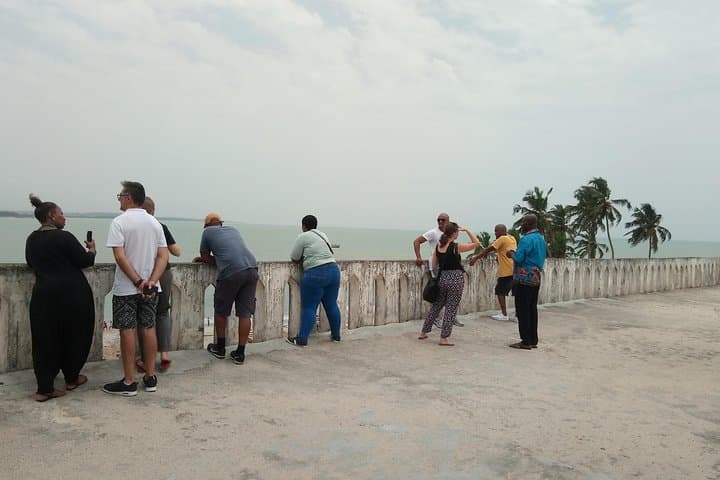
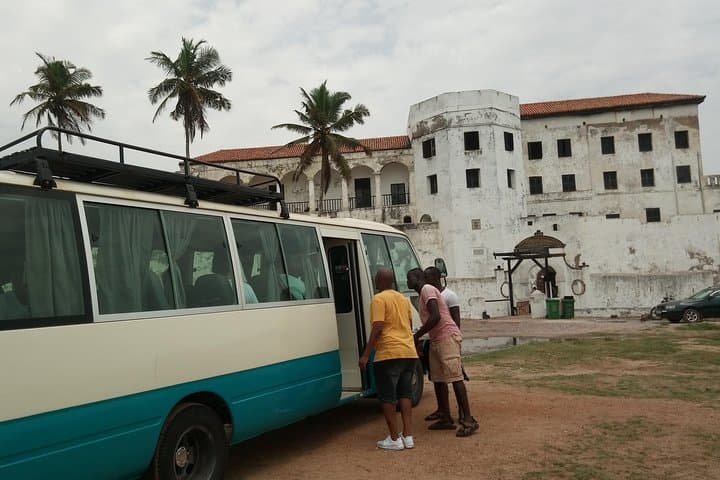
Fogged Atlantic spray and the cry of fishermen’s nets set the scene as you step from an air-conditioned vehicle onto a gray, wind-swept rampart. Stone walls here remember salt and commerce; the ocean keeps time, daring visitors to face the stories inside.
Verified experiences and guided adventures in the surrounding area.
Operated by Classic Holidays · Cape Coast, Central Region
Fogged Atlantic spray and the cry of fishermen’s nets set the scene as you step from an air-conditioned vehicle onto a gray, wind-swept rampart. Stone walls here remember salt and commerce; the ocean keeps time, daring visitors to face the stories inside.
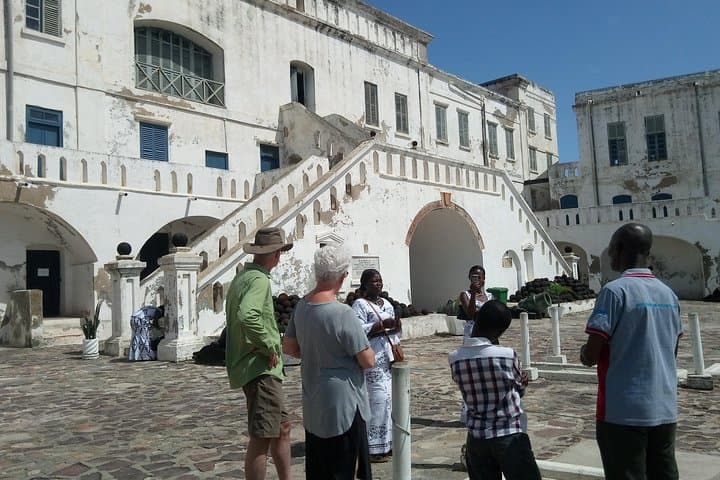
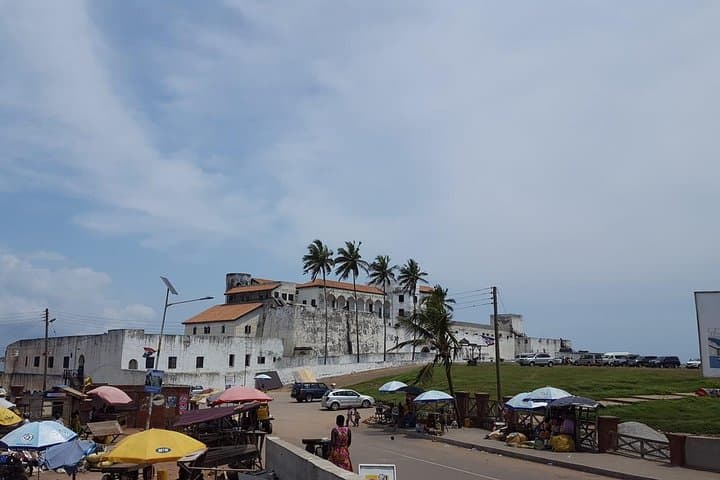
Elmina Castle, raised by the Portuguese in 1482, is the oldest European building in sub‑Saharan Africa; nearby Cape Coast Castle later expanded into a major hub of the Trans‑Atlantic Slave Trade. Guided walks here move from the cramped dungeons and the Door of No Return to the comparatively spacious officers’ residences, a contrast that explains power through architecture. Geologically, the coastline is a mix of volcanic and metamorphic bedrock weathered by surf, supporting fishing towns of the Fante people whose culture and seafood economy remain central to daily life.
Expect a structured, roughly 10½‑hour private tour that includes admissions, bottled water, and vehicle transport. Tours combine history with on‑site interpretation: guides discuss trade networks, colonial rivalry, and the human toll visible in the cells and holding yards. Photographs are allowed in most areas, but silence and respectful behavior are required in memorial spaces.
Practical tips: wear sturdy, closed shoes for uneven steps, bring sun protection and a refillable bottle, and schedule early in the day to avoid mid‑afternoon heat and crowded entry times. Allow time to walk the fortifications for wide ocean views and to visit the local markets afterward; the experience is emotional, educational, and physically easy but mentally demanding.
moderate.
10–11 hours.
Basic walking fitness; tour includes stairs and uneven surfaces but no technical exertion
Yes—this tour includes admission to Elmina Castle, Cape Coast Castle, and associated forts as listed in the itinerary.
Most full‑day tours depart from and return to Cape Coast or nearby hotels; pick‑up from Accra is possible but adds driving time.
No—the walk through castles involves stairs and narrow dungeons but is suitable for most people with moderate mobility; inform the operator of accessibility needs.
Photography is generally allowed in exterior and many interior areas, but respect signs and requests to refrain in memorial spaces or guided moments of silence.
Classic Holidays operates guided outdoor trips and adventures with an emphasis on safety, stewardship, and memorable experiences.
Fogged Atlantic spray and the cry of fishermen’s nets set the scene as you step from an air-conditioned vehicle onto a gray, wind-swept rampart. Stone walls here remember salt and commerce; the ocean keeps time, daring visitors to face the stories inside.
Fogged Atlantic spray and the cry of fishermen’s nets set the scene as you step from an air-conditioned vehicle onto a gray, wind-swept rampart. Stone walls here remember salt and commerce; the ocean keeps time, daring visitors to face the stories inside.
Elmina Castle, raised by the Portuguese in 1482, is the oldest European building in sub‑Saharan Africa; nearby Cape Coast Castle later expanded into a major hub of the Trans‑Atlantic Slave Trade. Guided walks here move from the cramped dungeons and the Door of No Return to the comparatively spacious officers’ residences, a contrast that explains power through architecture. Geologically, the coastline is a mix of volcanic and metamorphic bedrock weathered by surf, supporting fishing towns of the Fante people whose culture and seafood economy remain central to daily life.
Expect a structured, roughly 10½‑hour private tour that includes admissions, bottled water, and vehicle transport. Tours combine history with on‑site interpretation: guides discuss trade networks, colonial rivalry, and the human toll visible in the cells and holding yards. Photographs are allowed in most areas, but silence and respectful behavior are required in memorial spaces.
Practical tips: wear sturdy, closed shoes for uneven steps, bring sun protection and a refillable bottle, and schedule early in the day to avoid mid‑afternoon heat and crowded entry times. Allow time to walk the fortifications for wide ocean views and to visit the local markets afterward; the experience is emotional, educational, and physically easy but mentally demanding.