THE ADVENTURE COLLECTIVE® · Independent discovery and booking for outdoor travel

Step from the rim into one of La Palma’s great volcanic bowls on a guided, full‑day walk through ravines, springs and pine forests. This six‑hour route mixes geology, historic shepherd paths and the occasional swim in clear mountain pools.
Step from the rim into one of La Palma’s great volcanic bowls on a guided, full‑day walk through ravines, springs and pine forests. This six‑hour route mixes geology, historic shepherd paths and the occasional swim in clear mountain pools.
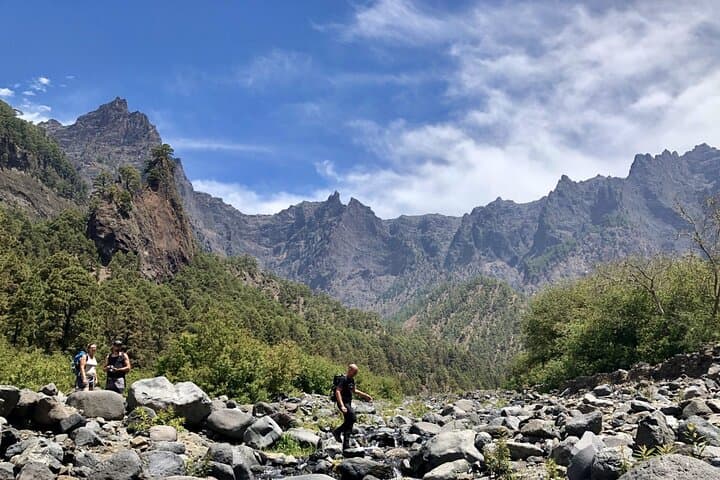
A low wind moves through Canary pines as the group steps onto the rim and the caldera opens like a concrete bowl beneath them—sheer walls, terraces of lava and a green floor threaded with streams. The route drops into channels carved by water and time; the air sharpens, the trail alternates between packed volcanic sand and stony switchbacks, and somewhere below a stream dares you to follow its course.
Verified experiences and guided adventures in the surrounding area.
Operated by VIMOTIONS · Los Llanos de Aridane, La Palma
A low wind moves through Canary pines as the group steps onto the rim and the caldera opens like a concrete bowl beneath them—sheer walls, terraces of lava and a green floor threaded with streams. The route drops into channels carved by water and time; the air sharpens, the trail alternates between packed volcanic sand and stony switchbacks, and somewhere below a stream dares you to follow its course.
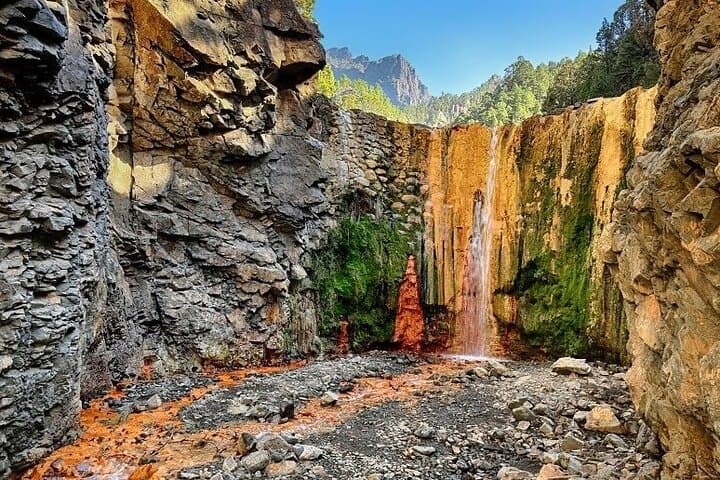
Caldera de Taburiente is a volcanic collapse crater reshaped by erosion; it hosts springs and ravines that sustained early island agriculture and modern protected forests. The park has long been a cultural reference on La Palma—local shepherding paths and old stone waterworks appear beside laurisilva and Canary pine. Geology here reads like pages of fire and water: volcanic strata, ash layers and gullies cut deep by runoff.
On a guided six‑hour walk visitors will see changing microclimates, small waterfalls in winter and, on warm days, clear pools suitable for a brief swim. Guides point out native plants and historic remains while managing pace and safety for groups.
Practical edge: expect steep descents and climbs, uneven footing and sudden wind higher on the rim. Carry at least 2–3 liters of water, sturdy trekking shoes, layered clothing including a wind/rain shell, sunscreen and a hat. Wooden walking sticks are often provided; a guide and pickup service simplify logistics. The route suits hikers with moderate fitness who can handle sustained elevation change and rocky trails—plan for six hours including breaks and photo stops.
moderate.
6 hours.
Should be comfortable with sustained ascents/descents, uneven terrain and several hours of hiking.
The guided route is approximately 6 hours and rated moderate—expect steady climbs and descents on uneven volcanic terrain.
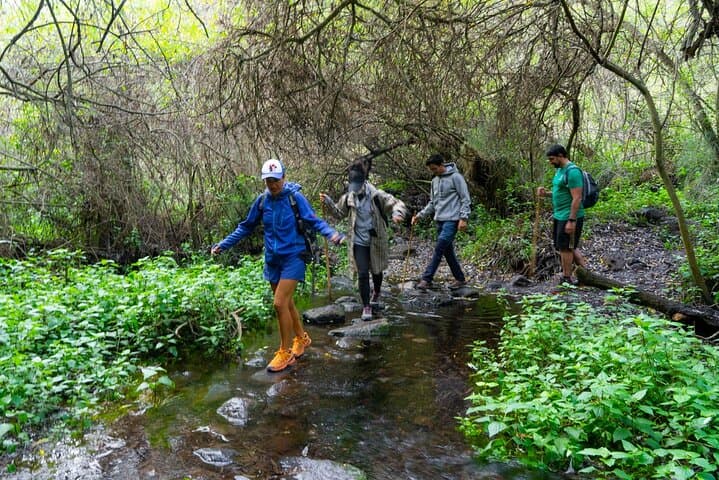
Some sections have clear pools or stream crossings suitable for a quick dip in warm months; bring a swimsuit and quick-dry towel, but conditions vary seasonally.
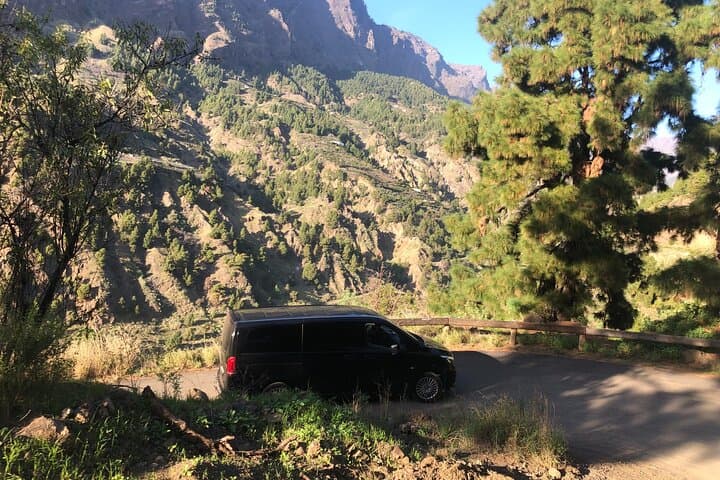
The tour includes a pick‑up service; confirm meeting points when you book and arrive ready to hike.
This activity is not recommended for travelers with serious heart conditions, significant back or spinal issues, or pregnancy due to sustained physical effort.
The caldera’s routes follow paths used for centuries by shepherds and smallholders; old terraces and waterworks reflect traditional island agriculture.
Caldera de Taburiente is a protected national park—staying on trails, carrying out all waste and respecting seasonal closures helps preserve springs and endemic vegetation.
VIMOTIONS operates guided outdoor trips and adventures with an emphasis on safety, stewardship, and memorable experiences.
A low wind moves through Canary pines as the group steps onto the rim and the caldera opens like a concrete bowl beneath them—sheer walls, terraces of lava and a green floor threaded with streams. The route drops into channels carved by water and time; the air sharpens, the trail alternates between packed volcanic sand and stony switchbacks, and somewhere below a stream dares you to follow its course.
A low wind moves through Canary pines as the group steps onto the rim and the caldera opens like a concrete bowl beneath them—sheer walls, terraces of lava and a green floor threaded with streams. The route drops into channels carved by water and time; the air sharpens, the trail alternates between packed volcanic sand and stony switchbacks, and somewhere below a stream dares you to follow its course.
Caldera de Taburiente is a volcanic collapse crater reshaped by erosion; it hosts springs and ravines that sustained early island agriculture and modern protected forests. The park has long been a cultural reference on La Palma—local shepherding paths and old stone waterworks appear beside laurisilva and Canary pine. Geology here reads like pages of fire and water: volcanic strata, ash layers and gullies cut deep by runoff.
On a guided six‑hour walk visitors will see changing microclimates, small waterfalls in winter and, on warm days, clear pools suitable for a brief swim. Guides point out native plants and historic remains while managing pace and safety for groups.
Practical edge: expect steep descents and climbs, uneven footing and sudden wind higher on the rim. Carry at least 2–3 liters of water, sturdy trekking shoes, layered clothing including a wind/rain shell, sunscreen and a hat. Wooden walking sticks are often provided; a guide and pickup service simplify logistics. The route suits hikers with moderate fitness who can handle sustained elevation change and rocky trails—plan for six hours including breaks and photo stops.