THE ADVENTURE COLLECTIVE® · Independent discovery and booking for outdoor travel

Step onto Belle Isle, where history, nature, and the Detroit River converge. This three-hour walking tour reveals the island’s cultural monuments and natural beauty, offering a refreshing escape just minutes from downtown Detroit.
Step onto Belle Isle, where history, nature, and the Detroit River converge. This three-hour walking tour reveals the island’s cultural monuments and natural beauty, offering a refreshing escape just minutes from downtown Detroit.
On the edge of Detroit’s urban sprawl, Belle Isle asserts itself as a refreshing patch of green where the Detroit River dares you to pause and look deeper. This three-hour walking tour invites travelers to engage with the island’s layered story—from sculpted fountains to natural habitats, from historical monuments to quiet woodlands.
Verified experiences and guided adventures in the surrounding area.
Operated by Best Detroit Walking Tours · Detroit, Michigan
On the edge of Detroit’s urban sprawl, Belle Isle asserts itself as a refreshing patch of green where the Detroit River dares you to pause and look deeper. This three-hour walking tour invites travelers to engage with the island’s layered story—from sculpted fountains to natural habitats, from historical monuments to quiet woodlands.
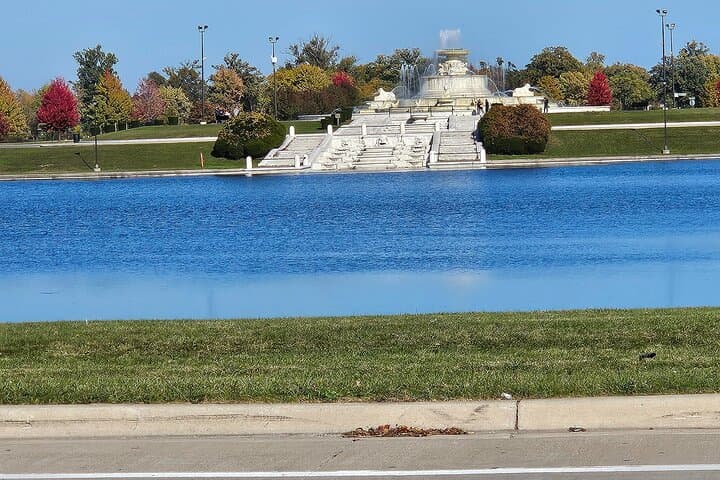
Belle Isle Island, sitting strategically between Detroit and Windsor, Canada, spans nearly 1,500 acres, with a blend of cultural landmarks and diverse ecosystems. The island’s geology is a sculpted canvas of glacial drift, offering flat trails punctuated by gentle rises that make walking accessible but never dull. As you follow your guide from the James Scott Memorial Fountain—a grand, ornate water sculpture shooting jets of water skyward—you begin to see Belle Isle as more than a park. It’s a crossroads where history settles beside nature.
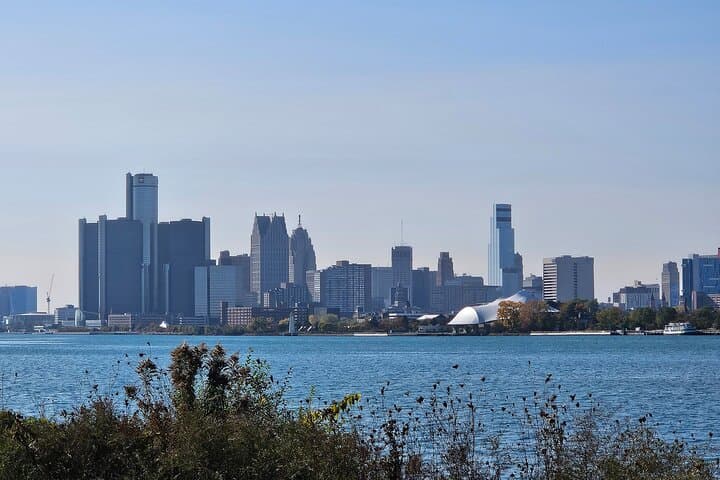
The island’s history unfolds in echoes of Detroit’s industrial rise and ambitions. Once private estate land, the island was transformed in the early 20th century into a public park under the vision of Frederick Law Olmsted, the same mind behind New York’s Central Park. Monuments and statues scattered across Belle Isle memorialize Michigan’s role in shaping the nation, while quietly reminding visitors of evolving cityscape changes visible in the distance.
Nature interjects its own voice here. Forest patches hum with bird calls, and the river’s currents constantly shape the shoreline, coaxing fresh soil and inviting wildlife to thrive. On this tour, you’ll glimpse native plants and possibly catch sight of songbirds fluttering through tree branches. Belle Isle’s natural environment serves not only as a city refuge but also as a living classroom for conservation efforts addressing river pollution and habitat restoration.
From a practical perspective, the walk covers roughly three miles of mostly flat terrain, comfortable for anyone with moderate fitness. The tour guides thoughtfully provide historical insights alongside environmental context, weaving a narrative that balances culture and nature without overloading.
Bring sun protection and water; the island’s openness means little shade on select stretches. Comfortable walking shoes are a must, as the paths shift from paved promenades to rustic trails. Public transportation options to Belle Isle are available, though parking is an alternate choice for those driving. The tour meeting point—James Scott Memorial Fountain—is easy to find and sets the tone for an engaging day outside Detroit’s bustle.
Travelers seeking a blend of urban history, environmental awakening, and peaceful strolls will find Belle Isle’s walking tour an inviting way to experience Detroit’s overlooked treasure.
moderate.
3 hours.
Participants should be in moderate physical shape capable of walking 3 miles with occasional stops.
The tour lasts approximately three hours and covers around three miles of varied terrain.
Yes, anyone with moderate fitness can handle the walk, though it may be challenging for those with limited mobility.
Yes, entry tickets for the attractions on the tour are included in the booking.
The tour begins and ends at the James Scott Memorial Fountain on Belle Isle Island.
No, participants should bring their own snacks and drinks to stay energized during the walk.
You might spot songbirds and small mammals native to the Detroit River ecosystem during the walk.
Belle Isle was shaped by Frederick Law Olmsted’s vision of urban parks and has served as a public refuge since the early 1900s.
Ongoing cleanup and habitat restoration projects aim to reduce river pollution and support native species on the island.
Best Detroit Walking Tours operates guided outdoor trips and adventures with an emphasis on safety, stewardship, and memorable experiences.


On the edge of Detroit’s urban sprawl, Belle Isle asserts itself as a refreshing patch of green where the Detroit River dares you to pause and look deeper. This three-hour walking tour invites travelers to engage with the island’s layered story—from sculpted fountains to natural habitats, from historical monuments to quiet woodlands.
On the edge of Detroit’s urban sprawl, Belle Isle asserts itself as a refreshing patch of green where the Detroit River dares you to pause and look deeper. This three-hour walking tour invites travelers to engage with the island’s layered story—from sculpted fountains to natural habitats, from historical monuments to quiet woodlands.
Belle Isle Island, sitting strategically between Detroit and Windsor, Canada, spans nearly 1,500 acres, with a blend of cultural landmarks and diverse ecosystems. The island’s geology is a sculpted canvas of glacial drift, offering flat trails punctuated by gentle rises that make walking accessible but never dull. As you follow your guide from the James Scott Memorial Fountain—a grand, ornate water sculpture shooting jets of water skyward—you begin to see Belle Isle as more than a park. It’s a crossroads where history settles beside nature.
The island’s history unfolds in echoes of Detroit’s industrial rise and ambitions. Once private estate land, the island was transformed in the early 20th century into a public park under the vision of Frederick Law Olmsted, the same mind behind New York’s Central Park. Monuments and statues scattered across Belle Isle memorialize Michigan’s role in shaping the nation, while quietly reminding visitors of evolving cityscape changes visible in the distance.
Nature interjects its own voice here. Forest patches hum with bird calls, and the river’s currents constantly shape the shoreline, coaxing fresh soil and inviting wildlife to thrive. On this tour, you’ll glimpse native plants and possibly catch sight of songbirds fluttering through tree branches. Belle Isle’s natural environment serves not only as a city refuge but also as a living classroom for conservation efforts addressing river pollution and habitat restoration.
From a practical perspective, the walk covers roughly three miles of mostly flat terrain, comfortable for anyone with moderate fitness. The tour guides thoughtfully provide historical insights alongside environmental context, weaving a narrative that balances culture and nature without overloading.
Bring sun protection and water; the island’s openness means little shade on select stretches. Comfortable walking shoes are a must, as the paths shift from paved promenades to rustic trails. Public transportation options to Belle Isle are available, though parking is an alternate choice for those driving. The tour meeting point—James Scott Memorial Fountain—is easy to find and sets the tone for an engaging day outside Detroit’s bustle.
Travelers seeking a blend of urban history, environmental awakening, and peaceful strolls will find Belle Isle’s walking tour an inviting way to experience Detroit’s overlooked treasure.