THE ADVENTURE COLLECTIVE® · Independent discovery and booking for outdoor travel

A full-day journey from Colombo to Belilena Cave in Kitulgala introduces visitors to one of Sri Lanka’s oldest human sites. Expect a long drive, a guided cave visit with archaeological significance, and wet-zone trail sections.
A full-day journey from Colombo to Belilena Cave in Kitulgala introduces visitors to one of Sri Lanka’s oldest human sites. Expect a long drive, a guided cave visit with archaeological significance, and wet-zone trail sections.
Morning light filters through the rainforest as a low-slung vehicle pulls onto a dirt track and the Kelani River, which will dare every downstream ripple, comes into view. The guide calls for boots and steady footing; the path to Belilena bends into shade, and the cave mouth sits like an unread chapter in the hillside—rock keeping its age in quiet layers.
Verified experiences and guided adventures in the surrounding area.
Operated by Ceylon Travel Dream · Kitulgala, Sabaragamuwa Province
Morning light filters through the rainforest as a low-slung vehicle pulls onto a dirt track and the Kelani River, which will dare every downstream ripple, comes into view. The guide calls for boots and steady footing; the path to Belilena bends into shade, and the cave mouth sits like an unread chapter in the hillside—rock keeping its age in quiet layers.
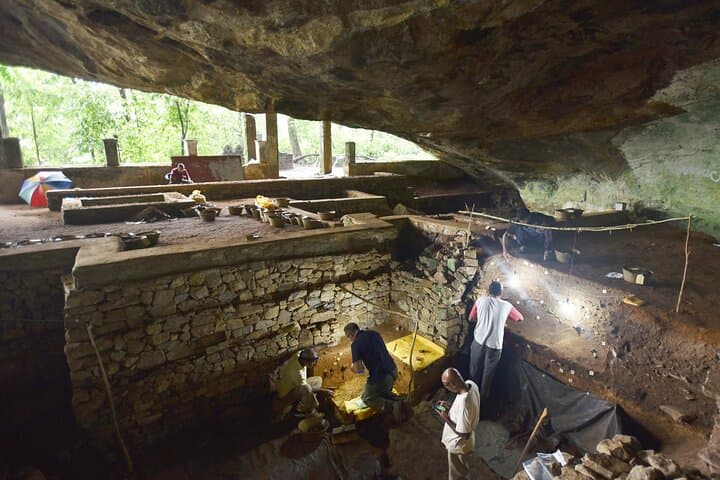
Belilena is one of Sri Lanka’s most important prehistoric sites: excavations revealed human occupation and microlithic tools dated as far back as ~32,000 years. The limestone shelter preserves charcoal stains, bone fragments and stone artifacts that speak to repeated human use through the Late Pleistocene. Geologically, the cave is part of the island’s upland wet-zone karst and sits among ridges carved by seasonal runoff and the Kelani’s tributaries.
Culturally, the region around Kitulgala mixes lowland wet-zone village life with an outdoor-adventure economy—rafting on the Kelani, small home-cafés and guides who combine natural history with local stories. Visitors should expect uneven rock, short scramble sections, and a guided route that emphasizes preservation: no touching of exposed deposits and careful stepping.
Practical notes: plan for a long day—transport from Colombo is roughly 3.5 hours each way—wear grippy footwear, bring at least 2 liters of water, sun and insect protection, and a light rain layer. Photography is allowed with restraint; follow the guide’s directions in sensitive areas. The trip pairs archaeological interest with a wet-zone hike and a chance to encounter riverine birds and monkeys en route.
moderate.
11–13 hours.
Suitable for travelers with a moderate level of fitness who can handle uneven terrain, short scrambles, and a long day in transit.
Expect about a 3–3.5 hour drive each way depending on traffic; the tour is a full-day outing (11–13 hours).
The site requires uneven walking and some short scrambles; travelers should have moderate fitness—check with the operator if mobility is limited.
Photography is typically allowed but follow the guide’s directions in sensitive archaeological areas and avoid flash if instructed.
Basic bottled water is included; stops for snacks or meals are usually possible en route but public restroom availability is limited—plan accordingly.
Belilena yielded microlithic stone tools, bone fragments and evidence of controlled fire use dating human activity in the cave to roughly 30–32,000 years ago, marking it as a key prehistoric site in Sri Lanka.
The cave’s deposits are fragile; visitors must avoid touching archaeological surfaces, follow established paths, and support local guides who work to protect the site.
Ceylon Travel Dream operates guided outdoor trips and adventures with an emphasis on safety, stewardship, and memorable experiences.
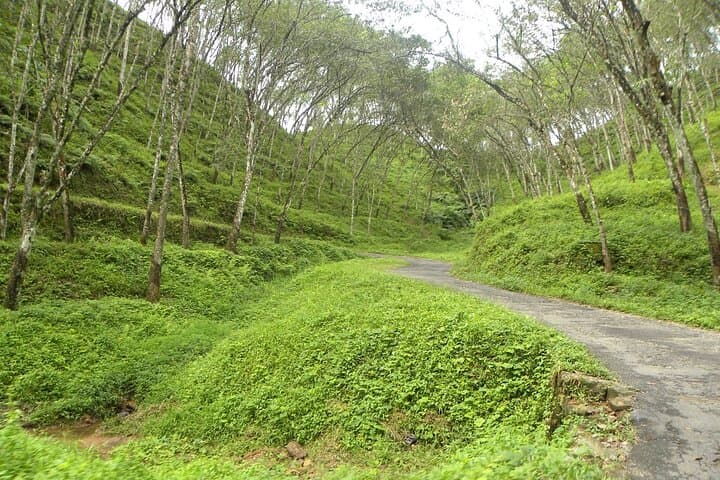
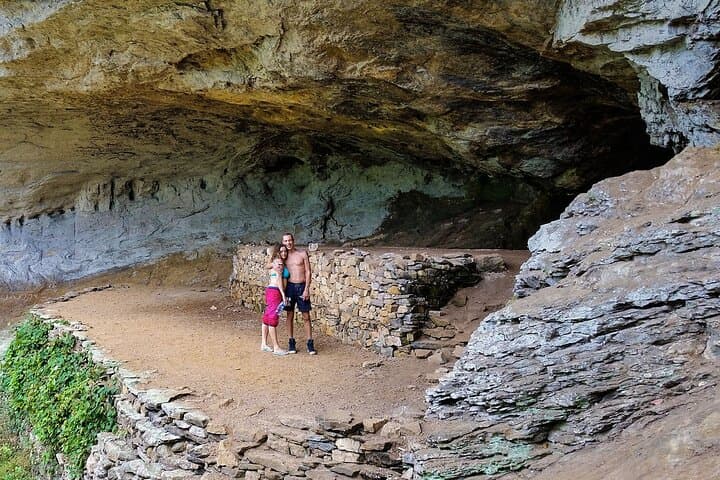
Morning light filters through the rainforest as a low-slung vehicle pulls onto a dirt track and the Kelani River, which will dare every downstream ripple, comes into view. The guide calls for boots and steady footing; the path to Belilena bends into shade, and the cave mouth sits like an unread chapter in the hillside—rock keeping its age in quiet layers.
Morning light filters through the rainforest as a low-slung vehicle pulls onto a dirt track and the Kelani River, which will dare every downstream ripple, comes into view. The guide calls for boots and steady footing; the path to Belilena bends into shade, and the cave mouth sits like an unread chapter in the hillside—rock keeping its age in quiet layers.
Belilena is one of Sri Lanka’s most important prehistoric sites: excavations revealed human occupation and microlithic tools dated as far back as ~32,000 years. The limestone shelter preserves charcoal stains, bone fragments and stone artifacts that speak to repeated human use through the Late Pleistocene. Geologically, the cave is part of the island’s upland wet-zone karst and sits among ridges carved by seasonal runoff and the Kelani’s tributaries.
Culturally, the region around Kitulgala mixes lowland wet-zone village life with an outdoor-adventure economy—rafting on the Kelani, small home-cafés and guides who combine natural history with local stories. Visitors should expect uneven rock, short scramble sections, and a guided route that emphasizes preservation: no touching of exposed deposits and careful stepping.
Practical notes: plan for a long day—transport from Colombo is roughly 3.5 hours each way—wear grippy footwear, bring at least 2 liters of water, sun and insect protection, and a light rain layer. Photography is allowed with restraint; follow the guide’s directions in sensitive areas. The trip pairs archaeological interest with a wet-zone hike and a chance to encounter riverine birds and monkeys en route.