THE ADVENTURE COLLECTIVE® · Independent discovery and booking for outdoor travel

A narrow, river-carved gorge near Ubud, Beji Guwang Hidden Canyon offers 2 km of slot-canyon walking, short scrambles, and dramatic black volcanic walls. This guide covers what to expect, safety considerations, and practical planning tips for a morning in the canyon.
A narrow, river-carved gorge near Ubud, Beji Guwang Hidden Canyon offers 2 km of slot-canyon walking, short scrambles, and dramatic black volcanic walls. This guide covers what to expect, safety considerations, and practical planning tips for a morning in the canyon.
Morning light filters through a narrow slot as the river dares you forward — welcome to Beji Guwang Hidden Canyon. The gorge in Guwang village, south of Ubud, is a compact, river-carved corridor of black volcanic rock where erosion over millennia has sliced deep walls and sculpted rippled faces. Walking the roughly 2-kilometer track feels like threading a living museum: water pushes the route, moss and ferns claim shaded seams, and local farmers glance from nearby paddies.
Verified experiences and guided adventures in the surrounding area.
Operated by Bali Hidden Canyon Tour · Sukawati, Bali
Morning light filters through a narrow slot as the river dares you forward — welcome to Beji Guwang Hidden Canyon. The gorge in Guwang village, south of Ubud, is a compact, river-carved corridor of black volcanic rock where erosion over millennia has sliced deep walls and sculpted rippled faces. Walking the roughly 2-kilometer track feels like threading a living museum: water pushes the route, moss and ferns claim shaded seams, and local farmers glance from nearby paddies.
Geologically, the canyon is an erosional feature cut into volcanic bedrock and alluvial deposits; the narrow passages record repeated floods and steady downstream abrasion. Culturally, Guwang sits in Gianyar regency — an area of rice farming, small temples, and craft villages — so the approach includes rural lanes, rice terraces and occasional temple stones worn smooth by offerings and weather.
Expect river walking, short scrambles and periodic wading; guides time visits to lower water levels, typically early morning, or switch plans to nearby waterfalls or a rafting alternative when rains raise the river. The itinerary is private and usually five hours including transfers and lunch, with towels, waterproof bags and local guides provided.
Practical tips: wear secure water shoes and quick-dry clothes, pack sunscreen and a light dry bag for camera gear, and be prepared to follow guide instructions for river crossings. Visit in the dry season for the most reliable access, and leave no trace: the canyon’s narrow ecosystem responds quickly to litter and trampling. With basic fitness and respect for changing water levels, this short but intense gorge walk is a compact, unforgettable slice of Bali’s wild side.
moderate.
5 hours.
Moderate fitness: you should be comfortable with 2 km of mixed river walking, short scrambles, and standing/wading in moving water.
No — high rains can raise river levels and produce strong currents; operators close access when guides deem it unsafe and offer alternatives like rafting or waterfall tours.
Expect about 2 km of mixed terrain with multiple shallow wades and short scrambles; total activity time is usually 2–3 hours within a 5-hour excursion including transfers.
Children may join if they have good mobility and are closely supervised; guidelines vary, so confirm age limits with the operator during booking.
Yes — photos are popular, but use waterproof protection, limit tripod use in narrow sections, and avoid obstructing the path for other visitors.
Guwang sits in Gianyar regency, an agricultural district with small temple sites and a long history of wet-rice cultivation that shapes the approach to the canyon.
The canyon’s narrow ecology is sensitive to litter and trampling; follow guide instructions, carry out all waste, and avoid disturbing vegetation or wildlife.
Bali Hidden Canyon Tour operates guided outdoor trips and adventures with an emphasis on safety, stewardship, and memorable experiences.
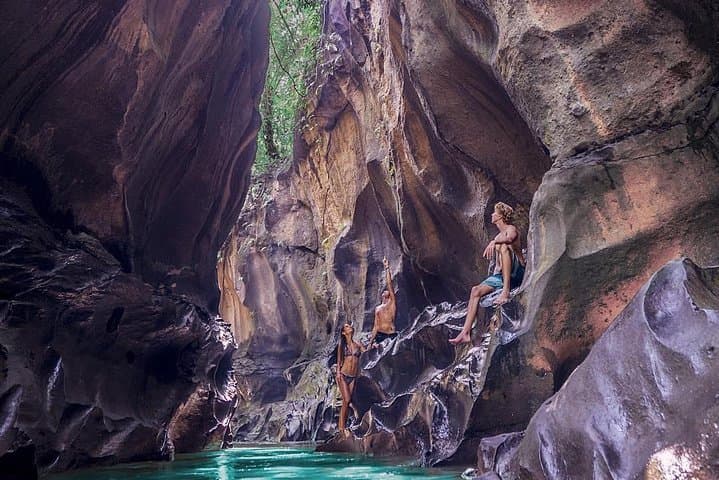
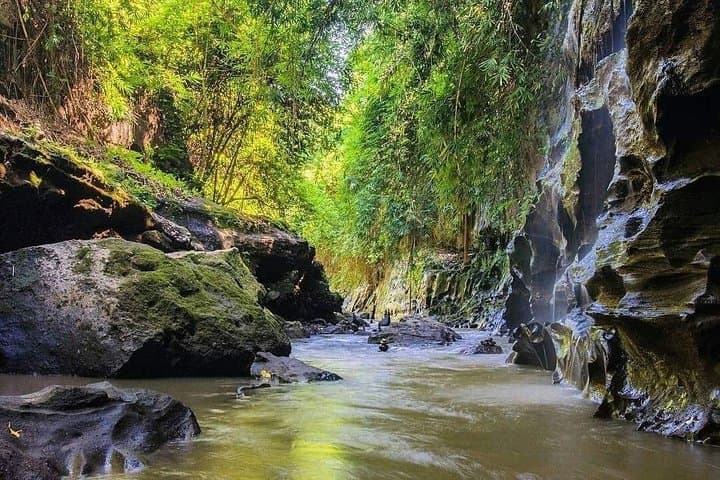
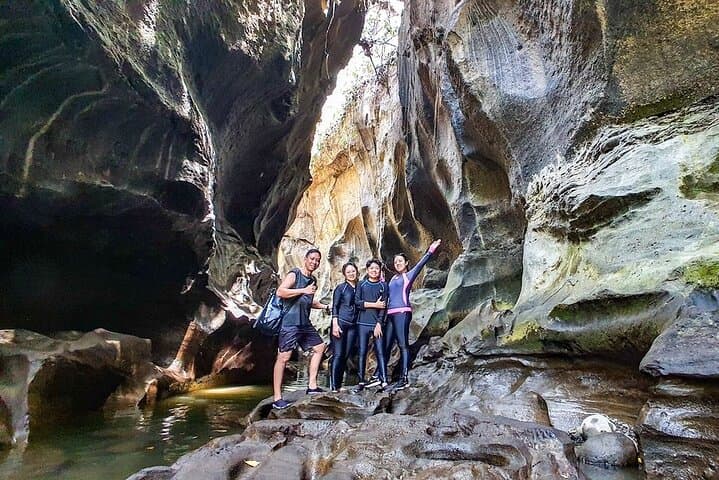
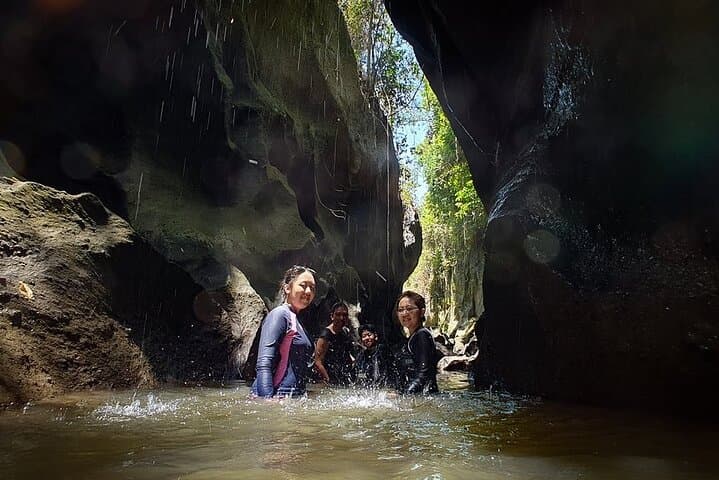
Morning light filters through a narrow slot as the river dares you forward — welcome to Beji Guwang Hidden Canyon. The gorge in Guwang village, south of Ubud, is a compact, river-carved corridor of black volcanic rock where erosion over millennia has sliced deep walls and sculpted rippled faces. Walking the roughly 2-kilometer track feels like threading a living museum: water pushes the route, moss and ferns claim shaded seams, and local farmers glance from nearby paddies.
Morning light filters through a narrow slot as the river dares you forward — welcome to Beji Guwang Hidden Canyon. The gorge in Guwang village, south of Ubud, is a compact, river-carved corridor of black volcanic rock where erosion over millennia has sliced deep walls and sculpted rippled faces. Walking the roughly 2-kilometer track feels like threading a living museum: water pushes the route, moss and ferns claim shaded seams, and local farmers glance from nearby paddies.
Geologically, the canyon is an erosional feature cut into volcanic bedrock and alluvial deposits; the narrow passages record repeated floods and steady downstream abrasion. Culturally, Guwang sits in Gianyar regency — an area of rice farming, small temples, and craft villages — so the approach includes rural lanes, rice terraces and occasional temple stones worn smooth by offerings and weather.
Expect river walking, short scrambles and periodic wading; guides time visits to lower water levels, typically early morning, or switch plans to nearby waterfalls or a rafting alternative when rains raise the river. The itinerary is private and usually five hours including transfers and lunch, with towels, waterproof bags and local guides provided.
Practical tips: wear secure water shoes and quick-dry clothes, pack sunscreen and a light dry bag for camera gear, and be prepared to follow guide instructions for river crossings. Visit in the dry season for the most reliable access, and leave no trace: the canyon’s narrow ecosystem responds quickly to litter and trampling. With basic fitness and respect for changing water levels, this short but intense gorge walk is a compact, unforgettable slice of Bali’s wild side.