THE ADVENTURE COLLECTIVE® · Independent discovery and booking for outdoor travel

Ride a traditional rickshaw through Beijing’s labyrinthine hutongs, climb the Drum Tower for sweeping roofs, and visit a local family and tea house to see everyday life. This three-hour tour pairs gentle pedicab travel with short walks and cultural stops.
Ride a traditional rickshaw through Beijing’s labyrinthine hutongs, climb the Drum Tower for sweeping roofs, and visit a local family and tea house to see everyday life. This three-hour tour pairs gentle pedicab travel with short walks and cultural stops.
The rickshaw hums through a corridor of brick and shadow, pedals ticking under the driver’s steady rhythm as narrow alleys open and close like pages in a history book. Courtyard walls press close; laundry flutters; a kettle whistles in a doorway. Riding a pedicab through Beijing’s hutongs feels like moving at the city’s human pace—slow enough to notice rooftop tiles and the carved lintel over a gate, fast enough to trace how neighborhoods thread into the broader capital.
Verified experiences and guided adventures in the surrounding area.
Operated by Hantang International Travel Service · Beijing, Beijing
The rickshaw hums through a corridor of brick and shadow, pedals ticking under the driver’s steady rhythm as narrow alleys open and close like pages in a history book. Courtyard walls press close; laundry flutters; a kettle whistles in a doorway. Riding a pedicab through Beijing’s hutongs feels like moving at the city’s human pace—slow enough to notice rooftop tiles and the carved lintel over a gate, fast enough to trace how neighborhoods thread into the broader capital.
Hutongs began as planned lanes during Yuan and Ming dynasty expansions and became the living grid of Beijing’s siheyuan courtyard houses. The Drum Tower, a short climb on this tour, offers a skimming bird’s-eye of gray roofs and the rhythm of daily life below. Tea houses and family homes visited on the route show continuity: elders playing mahjong, tea whisked with practiced hands, and children weaving between bicycles.
Expect narrow cobblestone and paved lanes, occasional steps into courtyard thresholds, and crowds near market pockets. The tour blends rickshaw transit with short walks—an accessible, urban exploration rather than a strenuous hike. Bring a lightweight daypack, comfortable shoes for brief walking segments, and a sense of patience during busy hours.
Timing matters: early mornings or late afternoons deliver softer light and quieter alleys. Listen to the city’s small sounds—vendors calling, tea leaves steeping—because in the hutongs, detail is everything.
easy.
2.5–3 hours.
Suitable for most fitness levels; involves short walks and light standing when visiting stops
Yes—infants can ride but must sit on an adult’s lap; strollers are manageable in many areas though some lanes are narrow.
Pick-up and drop-off are provided within the 4th Ring Road; travelers beyond that meeting point should join at the designated Prime Hotel location.
Admission to listed stops including the Drum Tower and selected tea house is included in the tour price as described in the itinerary.
Expect brief walking segments totaling a few hundred meters at stops and while accessing courtyards; the majority of distance is covered by rickshaw.
Hutongs evolved from the city planning of imperial Beijing; many lanes date back to Ming and Qing periods and grew around siheyuan courtyard homes.
Rapid development has replaced many hutongs, so preservation efforts focus on maintaining inhabited courtyards and promoting community-led tourism to reduce displacement.
Hantang International Travel Service operates guided outdoor trips and adventures with an emphasis on safety, stewardship, and memorable experiences.


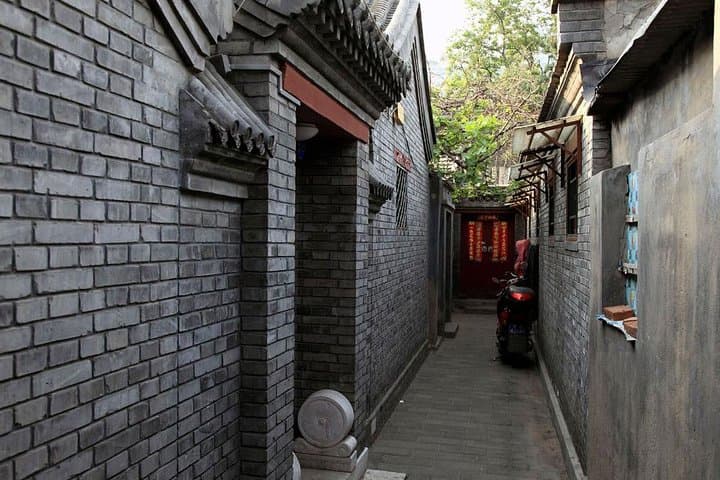
The rickshaw hums through a corridor of brick and shadow, pedals ticking under the driver’s steady rhythm as narrow alleys open and close like pages in a history book. Courtyard walls press close; laundry flutters; a kettle whistles in a doorway. Riding a pedicab through Beijing’s hutongs feels like moving at the city’s human pace—slow enough to notice rooftop tiles and the carved lintel over a gate, fast enough to trace how neighborhoods thread into the broader capital.
The rickshaw hums through a corridor of brick and shadow, pedals ticking under the driver’s steady rhythm as narrow alleys open and close like pages in a history book. Courtyard walls press close; laundry flutters; a kettle whistles in a doorway. Riding a pedicab through Beijing’s hutongs feels like moving at the city’s human pace—slow enough to notice rooftop tiles and the carved lintel over a gate, fast enough to trace how neighborhoods thread into the broader capital.
Hutongs began as planned lanes during Yuan and Ming dynasty expansions and became the living grid of Beijing’s siheyuan courtyard houses. The Drum Tower, a short climb on this tour, offers a skimming bird’s-eye of gray roofs and the rhythm of daily life below. Tea houses and family homes visited on the route show continuity: elders playing mahjong, tea whisked with practiced hands, and children weaving between bicycles.
Expect narrow cobblestone and paved lanes, occasional steps into courtyard thresholds, and crowds near market pockets. The tour blends rickshaw transit with short walks—an accessible, urban exploration rather than a strenuous hike. Bring a lightweight daypack, comfortable shoes for brief walking segments, and a sense of patience during busy hours.
Timing matters: early mornings or late afternoons deliver softer light and quieter alleys. Listen to the city’s small sounds—vendors calling, tea leaves steeping—because in the hutongs, detail is everything.