THE ADVENTURE COLLECTIVE® · Independent discovery and booking for outdoor travel

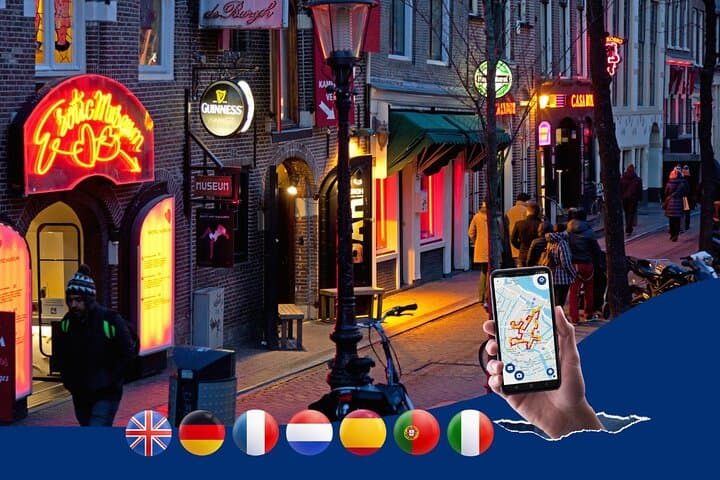
Walk through Amsterdam’s oldest quarter with a phone-based audio guide that explains the canals, architecture, and modern policies that shape the Red Light District. This 4 km, 39-stop tour pairs history and practical tips for a safe, self-paced exploration.
Walk through Amsterdam’s oldest quarter with a phone-based audio guide that explains the canals, architecture, and modern policies that shape the Red Light District. This 4 km, 39-stop tour pairs history and practical tips for a safe, self-paced exploration.
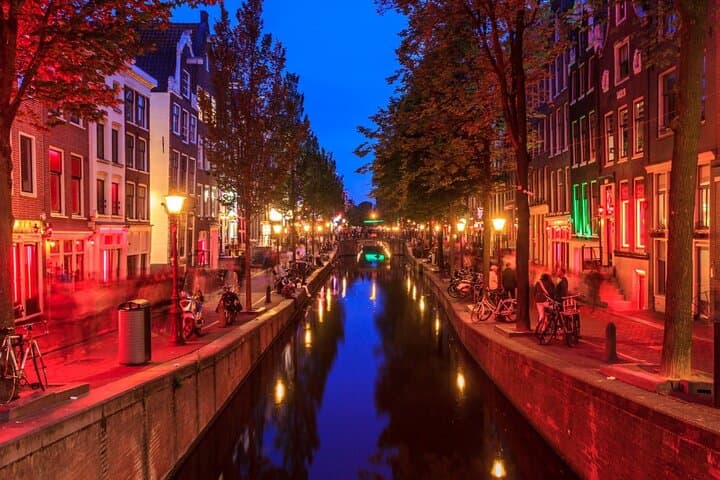
Step off a cobblestone canal bridge and the district opens like a city of stories—narrow alleys, tall gabled facades, and glass-fronted windows that have watched centuries of trade and tolerance pass by.
Verified experiences and guided adventures in the surrounding area.
Operated by City App Tour · Amsterdam, North Holland
Step off a cobblestone canal bridge and the district opens like a city of stories—narrow alleys, tall gabled facades, and glass-fronted windows that have watched centuries of trade and tolerance pass by.
This self-guided audio walk threads through De Wallen, the oldest quarter of Amsterdam. Medieval merchant houses, 17th‑century canals and reclaimed peat land tell a geography of water and human engineering: the canals were dug to drain and to trade, creating the urban grid you follow on foot. Culturally the route confronts modern Dutch policies—legalized prostitution and the coffeeshop tradition—alongside museums and offbeat shops that chart changing attitudes toward sex and drugs.
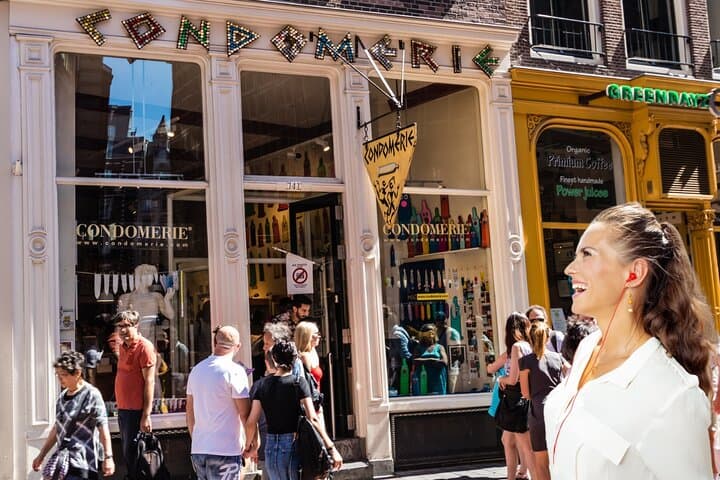
Along the way, expect 39 stops with short historical vignettes: the Condomerie, the Sexmuseum, Chinatown turnoffs, and nightlife venues that map out both social history and contemporary urban life. Guides explain how municipal regulation shaped the area; architecture reveals mercantile wealth and practical adaptation to soft soil.
Practical guidance: this is a phone-first experience—download any required app, enable GPS, and bring headphones. The route is roughly 4 km, mostly flat but with uneven cobbles and pedestrian traffic. Take quieter early-morning or late-evening windows for atmosphere, but stay alert at night and respect photo rules around windows and workers. Allow 2–3 hours to listen and linger; you have until the end of the next day to complete the tour if you prefer museum stops.
Wear supportive shoes, keep a charged battery or powerbank, and carry a lightweight rain layer—Amsterdam weather can change fast. The audio format makes this both a practical city orientation and an intimate, self-paced cultural walk.
easy.
2–3 hours (up to next day to finish).
Suitable for most fitness levels—basic walking endurance for 4 km and standing during stops
You should download the app and any offline content if available, but the tour also works with an active internet connection—download when possible to avoid roaming charges.
Much of the route is flat, but narrow alleys and cobbles can be challenging; wheelchair users should expect accessibility limitations in certain side streets.
Yes—the guide offers narration in seven languages to accommodate international visitors.
Yes, the tour can be done after dark, but be mindful of busier nightlife, increased crowds, and to avoid photographing people in windows—prioritize safety and respect.
De Wallen grew around medieval trade routes and 17th‑century canal expansion; its modern shape reflects centuries of commerce, water management and tolerant municipal policy.
High foot traffic strains narrow streets and canals—stick to streets, avoid littering, and support local businesses that follow ethical tourism practices.
City App Tour operates guided outdoor trips and adventures with an emphasis on safety, stewardship, and memorable experiences.

Step off a cobblestone canal bridge and the district opens like a city of stories—narrow alleys, tall gabled facades, and glass-fronted windows that have watched centuries of trade and tolerance pass by.
Step off a cobblestone canal bridge and the district opens like a city of stories—narrow alleys, tall gabled facades, and glass-fronted windows that have watched centuries of trade and tolerance pass by.
This self-guided audio walk threads through De Wallen, the oldest quarter of Amsterdam. Medieval merchant houses, 17th‑century canals and reclaimed peat land tell a geography of water and human engineering: the canals were dug to drain and to trade, creating the urban grid you follow on foot. Culturally the route confronts modern Dutch policies—legalized prostitution and the coffeeshop tradition—alongside museums and offbeat shops that chart changing attitudes toward sex and drugs.
Along the way, expect 39 stops with short historical vignettes: the Condomerie, the Sexmuseum, Chinatown turnoffs, and nightlife venues that map out both social history and contemporary urban life. Guides explain how municipal regulation shaped the area; architecture reveals mercantile wealth and practical adaptation to soft soil.
Practical guidance: this is a phone-first experience—download any required app, enable GPS, and bring headphones. The route is roughly 4 km, mostly flat but with uneven cobbles and pedestrian traffic. Take quieter early-morning or late-evening windows for atmosphere, but stay alert at night and respect photo rules around windows and workers. Allow 2–3 hours to listen and linger; you have until the end of the next day to complete the tour if you prefer museum stops.
Wear supportive shoes, keep a charged battery or powerbank, and carry a lightweight rain layer—Amsterdam weather can change fast. The audio format makes this both a practical city orientation and an intimate, self-paced cultural walk.