THE ADVENTURE COLLECTIVE® · Independent discovery and booking for outdoor travel

Explore the Red Light District’s edges with a local guide who explains its history, policies, and present-day realities. This 90-minute walk balances historical context with practical tips and a map for further self-guided exploration.
Explore the Red Light District’s edges with a local guide who explains its history, policies, and present-day realities. This 90-minute walk balances historical context with practical tips and a map for further self-guided exploration.
The narrow canals glint under sodium streetlights as a small group steps from a quiet side street onto the ring of cobbles that border Amsterdam’s Red Light District. The guide speaks in even tones, pointing out architectural details — the leaning gables, wooden pilings driven into peat, and alleys that have carried voices for centuries — while the city hums around them.
Verified experiences and guided adventures in the surrounding area.
Operated by Guidance Travel · Amsterdam, North Holland
The narrow canals glint under sodium streetlights as a small group steps from a quiet side street onto the ring of cobbles that border Amsterdam’s Red Light District. The guide speaks in even tones, pointing out architectural details — the leaning gables, wooden pilings driven into peat, and alleys that have carried voices for centuries — while the city hums around them.
This 90-minute walking tour traces the district’s edges, presenting history and social context rather than voyeurism. You’ll hear how this medieval quarter developed on reclaimed land and wooden foundations, how coffee-shop culture and pragmatic Dutch policy shaped attitudes toward sex work and soft drugs, and why regulation and public debate have evolved in recent decades. The guide explains the 2020 restrictions on interior guided visits and why respectful distance and privacy are central to contemporary practice.
Culturally, the area is a complex mix of longstanding neighborhoods, small businesses, and civic efforts to balance tourism with residents’ quality of life. Geology here is urban: canals, fill, and timber piles that require constant maintenance — a reminder that Amsterdam’s streets are literal platforms above water.
Practical guidance: tours run in small groups, are wheelchair accessible, and end with a detailed map for independent exploration. Wear sturdy shoes for cobbles, bring a light rain layer, and avoid photographing windows or workers. Aim for mid-morning or late afternoon to see activity without peak crowds. Hydrate, carry a card for cash-free purchases, and listen to local guidance about areas to avoid after dark. The result is an informed, humane walk through one of Europe’s most debated urban quarters.
moderate.
1.5 hours.
Moderate; participants should be comfortable standing and walking on uneven pavement for 90 minutes
Photography of public architecture is fine, but photographing sex workers or their windows is strictly prohibited—guides will remind the group.
The tour covers mature topics; parents should consider age-appropriateness—children are allowed but content may be sensitive.
Yes, the itinerary and meeting point are wheelchair accessible, though some historic streets have uneven surfaces—advise the operator of needs when booking.
Guides now stay on public routes and provide a detailed map and commentary for the final self-guided stretch so visitors can explore respectfully on their own.
Located in Amsterdam’s medieval core, the area developed around canals and commerce; its reputation shifted over centuries as Dutch policy toward sex work and drugs evolved into regulated tolerance.
Respecting workers’ privacy and following municipal rules reduces harm and preserves neighborhood life; avoid contributing to intrusive tourism and dispose of waste properly.
Guidance Travel operates guided outdoor trips and adventures with an emphasis on safety, stewardship, and memorable experiences.
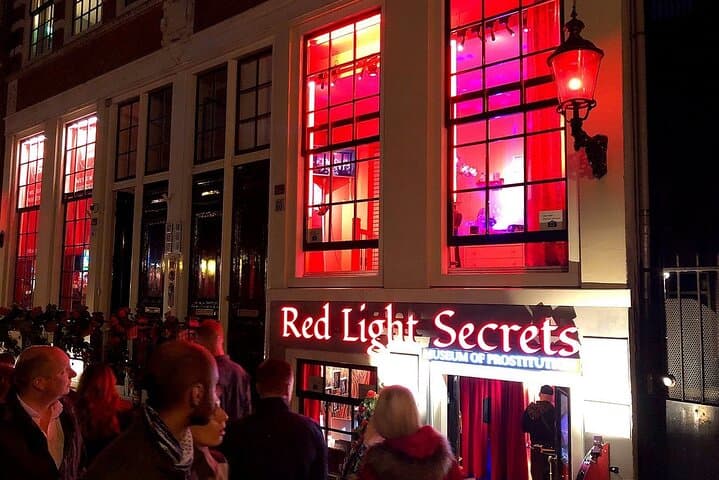
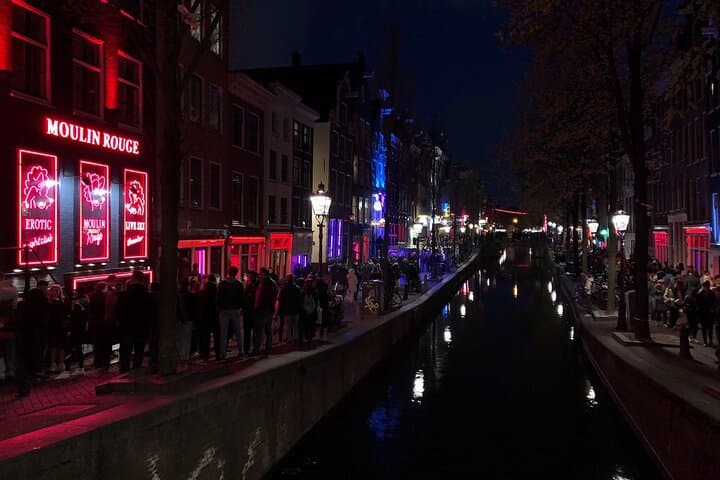

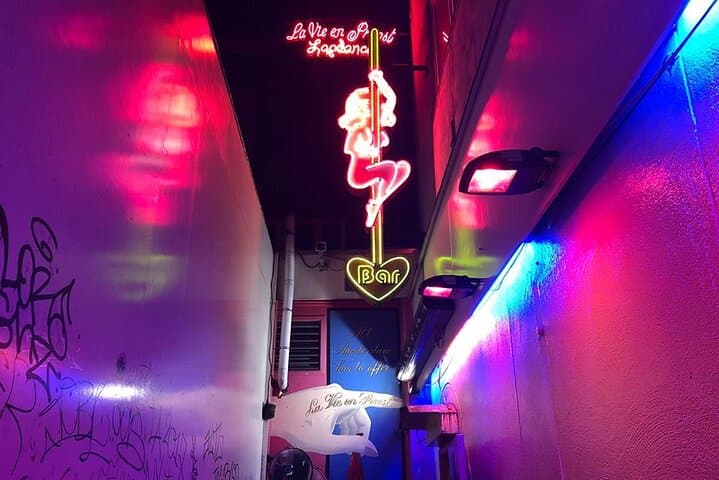
The narrow canals glint under sodium streetlights as a small group steps from a quiet side street onto the ring of cobbles that border Amsterdam’s Red Light District. The guide speaks in even tones, pointing out architectural details — the leaning gables, wooden pilings driven into peat, and alleys that have carried voices for centuries — while the city hums around them.
The narrow canals glint under sodium streetlights as a small group steps from a quiet side street onto the ring of cobbles that border Amsterdam’s Red Light District. The guide speaks in even tones, pointing out architectural details — the leaning gables, wooden pilings driven into peat, and alleys that have carried voices for centuries — while the city hums around them.
This 90-minute walking tour traces the district’s edges, presenting history and social context rather than voyeurism. You’ll hear how this medieval quarter developed on reclaimed land and wooden foundations, how coffee-shop culture and pragmatic Dutch policy shaped attitudes toward sex work and soft drugs, and why regulation and public debate have evolved in recent decades. The guide explains the 2020 restrictions on interior guided visits and why respectful distance and privacy are central to contemporary practice.
Culturally, the area is a complex mix of longstanding neighborhoods, small businesses, and civic efforts to balance tourism with residents’ quality of life. Geology here is urban: canals, fill, and timber piles that require constant maintenance — a reminder that Amsterdam’s streets are literal platforms above water.
Practical guidance: tours run in small groups, are wheelchair accessible, and end with a detailed map for independent exploration. Wear sturdy shoes for cobbles, bring a light rain layer, and avoid photographing windows or workers. Aim for mid-morning or late afternoon to see activity without peak crowds. Hydrate, carry a card for cash-free purchases, and listen to local guidance about areas to avoid after dark. The result is an informed, humane walk through one of Europe’s most debated urban quarters.