THE ADVENTURE COLLECTIVE® · Independent discovery and booking for outdoor travel

A two-hour boat trip from Lagos delivers you to one of the Algarve’s most famous sea caves — the Algar de Benagil. This feature combines geology, maritime history, and practical tips so you know what to expect before boarding.
A two-hour boat trip from Lagos delivers you to one of the Algarve’s most famous sea caves — the Algar de Benagil. This feature combines geology, maritime history, and practical tips so you know what to expect before boarding.
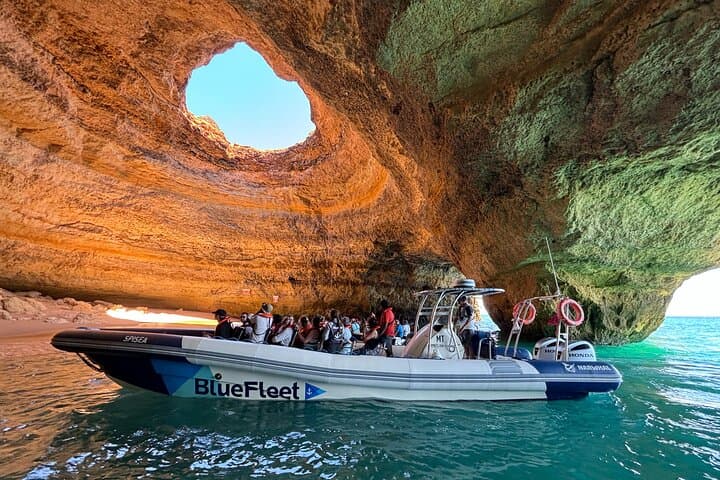
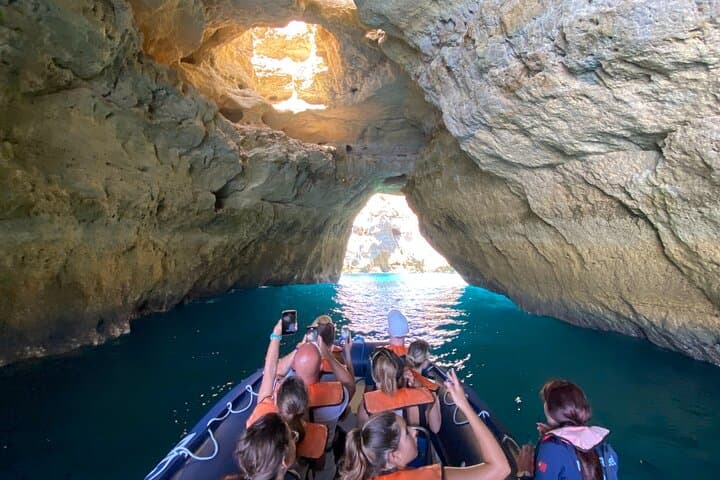
You push off from Lagos Marina with the scent of salt and diesel, the town's white buildings shrinking as cliffs begin to rise and fold along the coastline. The captain calls out a short safety briefing; the boat slips through a corridor of broken light where the Atlantic nudges the Algarve's calcarenite walls. Ahead, the Algar de Benagil sits like a natural amphitheater with a round skylight that lets a sudden column of sunlight pour into the sea — a place that seems to have been carved for dramatic entrances.
Verified experiences and guided adventures in the surrounding area.
Operated by Bluefleet - Boat Trips and Tours · Lagos, Faro
You push off from Lagos Marina with the scent of salt and diesel, the town's white buildings shrinking as cliffs begin to rise and fold along the coastline. The captain calls out a short safety briefing; the boat slips through a corridor of broken light where the Atlantic nudges the Algarve's calcarenite walls. Ahead, the Algar de Benagil sits like a natural amphitheater with a round skylight that lets a sudden column of sunlight pour into the sea — a place that seems to have been carved for dramatic entrances.
The Benagil cave is less a single spectacle than an endpoint on a coastline that reads like a geological diary. Sea and wind have hollowed soft limestone and sandstone for thousands of years, lifting arches and sweeping away cliffs until isolated domes and caverns remained. Local fishermen once used these sheltered coves as emergency harbors; today, tour skippers thread small boats close to the cave mouth when swell allows, offering a view that photographers and day-trippers prize.
There is a human rhythm to the coast as well. Villages clustered along this stretch — from Lagos to Carvoeiro — grew from fishing and salt production. Onboard commentary usually touches on the maritime heritage and the modern tension between tourism and local life: seafood restaurants and traditional workshops sit cheek-by-jowl with marinas and holiday rentals.
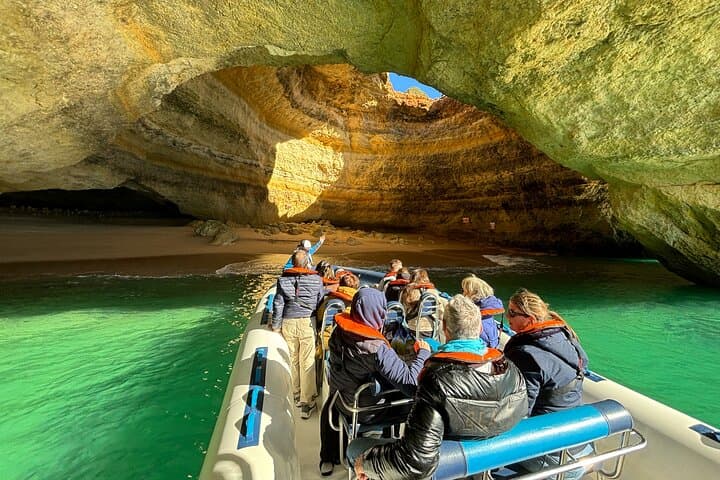
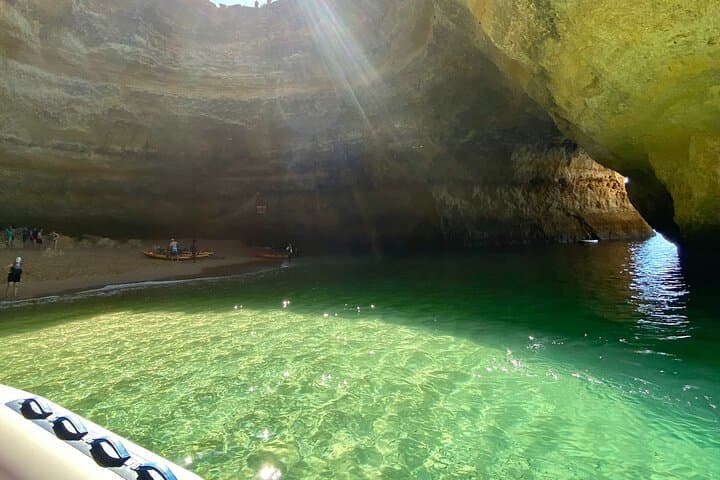
Approach is conditional. The crew will gauge sea state and tide before moving in; if the water is choppy they will hold back and narrate the geology and history instead. When conditions are calm, the boat edges into the cave mouth, engines quiet, and the skylight frames a patch of sky and a rippled sand floor. That moment is tactile — light warming your shoulders while the sea rocks beneath you.
Practical guidance: departures meet at the operator’s office inside Lagos Train Station 15 minutes before the scheduled time. The trip runs about two hours and covers several coastal highlights with live commentary. Because the approach to the cave depends on swell, bring flexibility in your expectations; the operator will always prioritize safety. Travelers with back or heart problems, pregnant travelers, and children under five are advised not to join.
Pack sun protection — the skylight and exposed decks mean intense sunlight — and a lightweight wind layer for cooler mornings or spray. Non-slip shoes are smart for boarding. If you want photos, aim for early departures: light is softer and crowds are smaller. Finally, consider the environmental impact: stay seated when requested, avoid tossing litter overboard, and support local guides who operate to safety and conservation standards. The cave is a show of natural force; the best way to enjoy it is respectfully and well prepared.
moderate.
2 hours.
Moderate fitness — able to step on/off a small boat and handle brief standing periods on deck.
Check-in is at the operator’s office inside Lagos Train Station; arrive 15 minutes before departure.
Not always — entry depends on sea state and swell. The captain will decide on safety grounds and may approach only as far as conditions allow.
It is not recommended for children under five or pregnant travelers; those with back or heart problems should also avoid booking.
Smaller coastal boats often lack full restroom facilities—check with the operator before departure and plan accordingly.
Drone rules vary locally and drone activity is restricted in some coastal areas—consult local regulations and the operator; avoid flying near crowded beaches or boats.
Operators usually offer a full refund if canceled at least 24 hours before departure for bad weather; confirm the provider’s policy at booking.
The Algarve coastline was shaped by centuries of maritime activity; small sea caves and inlets historically sheltered fishing boats and formed nodes for coastal communities.
High visitor numbers put pressure on fragile coastal features; favor operators who follow no-anchoring policies and who brief passengers on no-litter rules.
Bluefleet - Boat Trips and Tours operates guided outdoor trips and adventures with an emphasis on safety, stewardship, and memorable experiences.
You push off from Lagos Marina with the scent of salt and diesel, the town's white buildings shrinking as cliffs begin to rise and fold along the coastline. The captain calls out a short safety briefing; the boat slips through a corridor of broken light where the Atlantic nudges the Algarve's calcarenite walls. Ahead, the Algar de Benagil sits like a natural amphitheater with a round skylight that lets a sudden column of sunlight pour into the sea — a place that seems to have been carved for dramatic entrances.
You push off from Lagos Marina with the scent of salt and diesel, the town's white buildings shrinking as cliffs begin to rise and fold along the coastline. The captain calls out a short safety briefing; the boat slips through a corridor of broken light where the Atlantic nudges the Algarve's calcarenite walls. Ahead, the Algar de Benagil sits like a natural amphitheater with a round skylight that lets a sudden column of sunlight pour into the sea — a place that seems to have been carved for dramatic entrances.
The Benagil cave is less a single spectacle than an endpoint on a coastline that reads like a geological diary. Sea and wind have hollowed soft limestone and sandstone for thousands of years, lifting arches and sweeping away cliffs until isolated domes and caverns remained. Local fishermen once used these sheltered coves as emergency harbors; today, tour skippers thread small boats close to the cave mouth when swell allows, offering a view that photographers and day-trippers prize.
There is a human rhythm to the coast as well. Villages clustered along this stretch — from Lagos to Carvoeiro — grew from fishing and salt production. Onboard commentary usually touches on the maritime heritage and the modern tension between tourism and local life: seafood restaurants and traditional workshops sit cheek-by-jowl with marinas and holiday rentals.
Approach is conditional. The crew will gauge sea state and tide before moving in; if the water is choppy they will hold back and narrate the geology and history instead. When conditions are calm, the boat edges into the cave mouth, engines quiet, and the skylight frames a patch of sky and a rippled sand floor. That moment is tactile — light warming your shoulders while the sea rocks beneath you.
Practical guidance: departures meet at the operator’s office inside Lagos Train Station 15 minutes before the scheduled time. The trip runs about two hours and covers several coastal highlights with live commentary. Because the approach to the cave depends on swell, bring flexibility in your expectations; the operator will always prioritize safety. Travelers with back or heart problems, pregnant travelers, and children under five are advised not to join.
Pack sun protection — the skylight and exposed decks mean intense sunlight — and a lightweight wind layer for cooler mornings or spray. Non-slip shoes are smart for boarding. If you want photos, aim for early departures: light is softer and crowds are smaller. Finally, consider the environmental impact: stay seated when requested, avoid tossing litter overboard, and support local guides who operate to safety and conservation standards. The cave is a show of natural force; the best way to enjoy it is respectfully and well prepared.