THE ADVENTURE COLLECTIVE® · Independent discovery and booking for outdoor travel

Walk the creekside lanes of Al Shindagha and trace Dubai’s movement from pearling village to global hub. This museum ticket with transfers combines accessible storytelling with restored heritage houses and hands-on exhibits—ideal for a 2–3 hour cultural visit.
Walk the creekside lanes of Al Shindagha and trace Dubai’s movement from pearling village to global hub. This museum ticket with transfers combines accessible storytelling with restored heritage houses and hands-on exhibits—ideal for a 2–3 hour cultural visit.
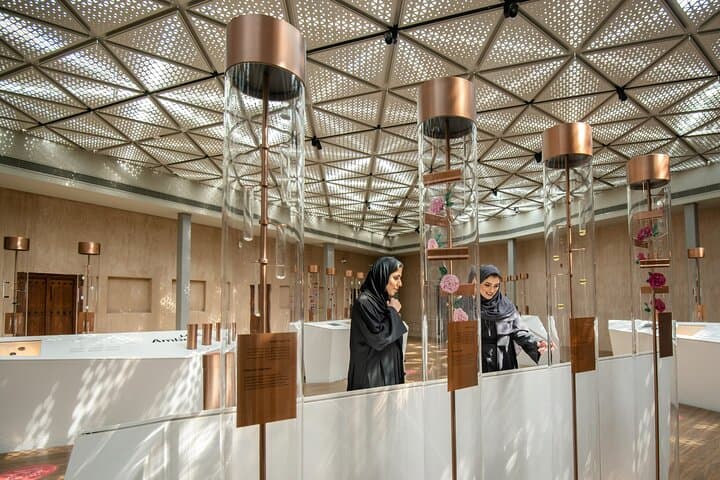
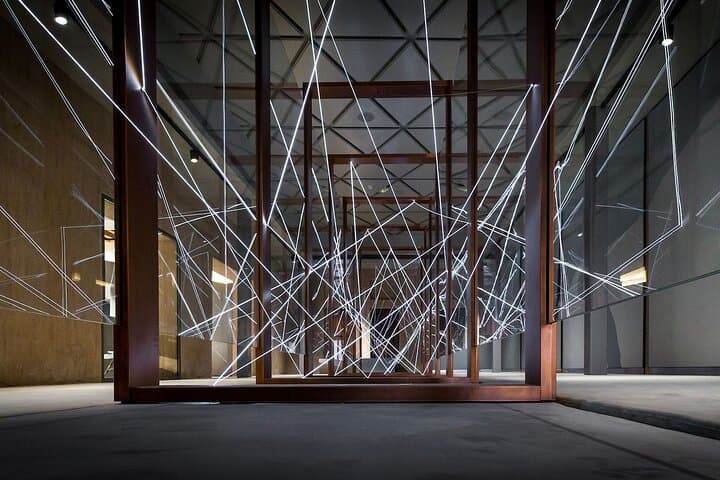
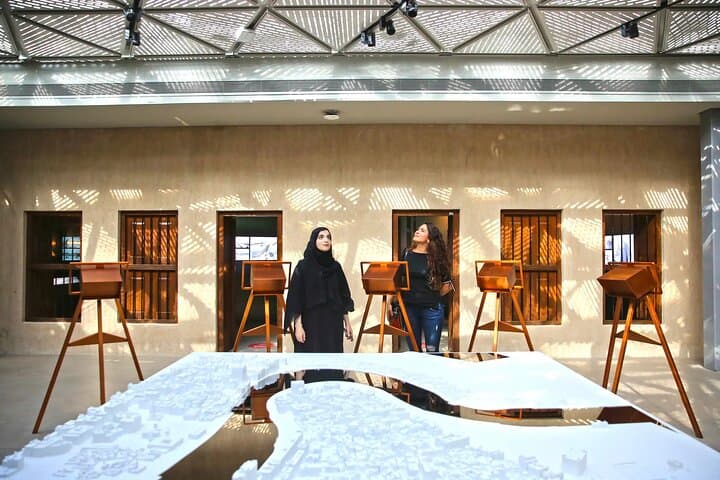
A dry wind from the Creek lifts a smell of salt and old timber as you step through a carved wooden door into Al Shindagha. Sunlight slants across restored courtyards; the air hums with the low tide’s memory and the creak of weathered beams. This is the point where Dubai’s past meets its present—houses, dhow models, and sensory exhibits that ask you to slow down and look closely.
Verified experiences and guided adventures in the surrounding area.
Operated by Royal Falcon Limo · Dubai, Dubai
A dry wind from the Creek lifts a smell of salt and old timber as you step through a carved wooden door into Al Shindagha. Sunlight slants across restored courtyards; the air hums with the low tide’s memory and the creak of weathered beams. This is the point where Dubai’s past meets its present—houses, dhow models, and sensory exhibits that ask you to slow down and look closely.
The museum occupies a string of heritage houses on Dubai Creek, tracing the Emirate’s shift from pearling and fishing to global trade and rapid urban growth. Geologically, the Creek is a tidal inlet that shaped early settlement patterns and trade routes; culturally, Al Shindagha records Bedouin traditions, pearl-diving economies, and the treaties and rulers that directed modern expansion.
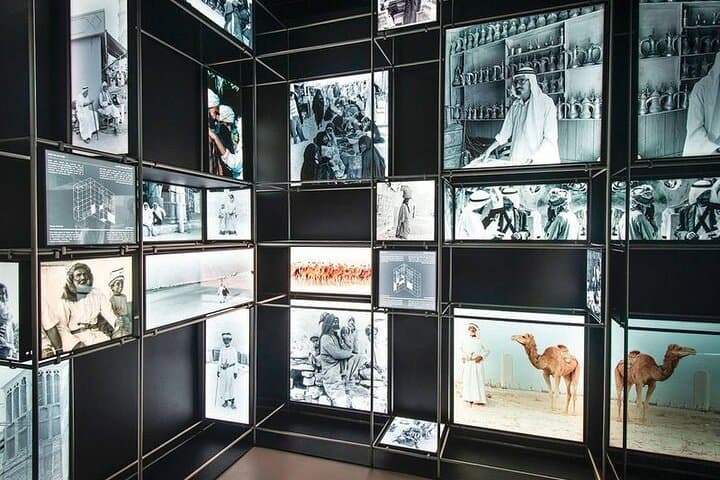
Inside, interactive displays lay out social history—family life, navigation, and the early oil era—while objects like navigational charts and pearl-diving gear ground the narrative. Local guides often point out architectural details—wind towers and coral-stone walls—that speak to practical solutions for a hot, coastal climate.
Practical guidance: the tour runs about 2–3 hours and includes transfers, so plan for morning light or late afternoon to avoid peak heat. Wear comfortable closed shoes for stone floors and uneven thresholds; carry water and a light layer for air-conditioned galleries. Allow extra time to wander the creekside promenade and visit nearby heritage sites. Reservations can be canceled up to 24 hours ahead; family-friendly amenities and infant seats are available.
easy.
2–3 hours.
Suitable for most fitness levels; mostly walking on flat surfaces with some steps and uneven flooring.
Yes — the booking includes pickup and drop-off; provide your pickup details when reserving and confirm timing with the operator.
Allow 2–3 hours to see the main exhibits, explore restored houses and stroll the creekside area at an unhurried pace.
Yes — the museum offers family-friendly, interactive installations, and infant seats are available for transfers.
You can cancel for a full refund if you cancel at least 24 hours before the scheduled time; cancellations within 24 hours are not refundable.
Al Shindagha preserves restored merchant and ruling-family houses that predate Dubai’s oil boom, documenting pearling, trade, and the families who shaped the city’s early governance.
The museum program emphasizes restoration and adaptive reuse of historic buildings; visitors are encouraged to respect fragile structures and avoid touching sensitive artifacts.
Royal Falcon Limo operates guided outdoor trips and adventures with an emphasis on safety, stewardship, and memorable experiences.
A dry wind from the Creek lifts a smell of salt and old timber as you step through a carved wooden door into Al Shindagha. Sunlight slants across restored courtyards; the air hums with the low tide’s memory and the creak of weathered beams. This is the point where Dubai’s past meets its present—houses, dhow models, and sensory exhibits that ask you to slow down and look closely.
A dry wind from the Creek lifts a smell of salt and old timber as you step through a carved wooden door into Al Shindagha. Sunlight slants across restored courtyards; the air hums with the low tide’s memory and the creak of weathered beams. This is the point where Dubai’s past meets its present—houses, dhow models, and sensory exhibits that ask you to slow down and look closely.
The museum occupies a string of heritage houses on Dubai Creek, tracing the Emirate’s shift from pearling and fishing to global trade and rapid urban growth. Geologically, the Creek is a tidal inlet that shaped early settlement patterns and trade routes; culturally, Al Shindagha records Bedouin traditions, pearl-diving economies, and the treaties and rulers that directed modern expansion.
Inside, interactive displays lay out social history—family life, navigation, and the early oil era—while objects like navigational charts and pearl-diving gear ground the narrative. Local guides often point out architectural details—wind towers and coral-stone walls—that speak to practical solutions for a hot, coastal climate.
Practical guidance: the tour runs about 2–3 hours and includes transfers, so plan for morning light or late afternoon to avoid peak heat. Wear comfortable closed shoes for stone floors and uneven thresholds; carry water and a light layer for air-conditioned galleries. Allow extra time to wander the creekside promenade and visit nearby heritage sites. Reservations can be canceled up to 24 hours ahead; family-friendly amenities and infant seats are available.