THE ADVENTURE COLLECTIVE® · Independent discovery and booking for outdoor travel

Walk Ajman’s streets with a local guide to uncover hidden stories at Ajman Museum, Mowaihat, and the university quarter. This two-hour tour blends coastal history, living culture, and practical tips for first-time visitors.
Walk Ajman’s streets with a local guide to uncover hidden stories at Ajman Museum, Mowaihat, and the university quarter. This two-hour tour blends coastal history, living culture, and practical tips for first-time visitors.
You step off the corniche and the Gulf breeze dares you forward, carrying a salt-and-spice scent past low-rise stone buildings and shaded alleys. The walking tour threads through Ajman's compact center—from the crenelated Ajman Fort to the quiet courtyards around Ajman Museum—where doors and windows hold stories the guide unfolds.
Verified experiences and guided adventures in the surrounding area.
Operated by Opatrip.com United Arab Emirates · Ajman, Ajman
You step off the corniche and the Gulf breeze dares you forward, carrying a salt-and-spice scent past low-rise stone buildings and shaded alleys. The walking tour threads through Ajman's compact center—from the crenelated Ajman Fort to the quiet courtyards around Ajman Museum—where doors and windows hold stories the guide unfolds.
Ajman grew around sea trade and pearling; its fort was rebuilt in the late 18th century and later converted into the museum that now maps daily life with dioramas and archaeological finds. The shoreline here is young—coastal dunes and reclaimed land meet older coastal alluvium—so geology plays second fiddle to the human story: Emirati families, merchant houses, and the first private university in the GCC, Ajman University, which marked the emirate’s modern educational push in 1988.
Culture shows in small acts—tea poured for guests, fishermen mending nets, students crossing plazas—while signage and murals nod to recent urban growth. Local insights from a professional guide reveal why Mowaihat matters to residents and which alleys produce the best street photography.
Practical guidance: this is an easy, low-impact tour on paved streets with occasional sand patches. Wear breathable shoes, carry water, and plan for shade around midday. Expect about two hours on foot, polite conversation in English or Arabic, and photo stops at Ajman Museum and the corniche. If you want quieter moments, ask the guide to linger at the mangrove edge near Al Zorah or the little fish market off the main road.
easy.
2 hours.
Suitable for all fitness levels; mostly flat walking with short stops
The tour lasts about two hours at an easy, conversational pace with multiple short stops for photos and explanations.
Yes—this tour is suitable for families and most mobility levels, but there are some uneven sidewalks; notify the operator of any accessibility needs when booking.
Guides commonly speak English and Arabic; check availability for other languages when booking or request a private guide.
Admissions to Ajman Museum are typically not included in this basic walking tour—confirm with the operator if you want tickets arranged.
Ajman developed as a small pearling and trading port; the restored fort-turned-museum preserves 18th–20th century domestic life and regional archaeology.
Coastal development and mangrove restoration are ongoing concerns—stay on marked paths, avoid disturbing birdlife, and support local businesses that follow low-impact practices.
Opatrip.com United Arab Emirates operates guided outdoor trips and adventures with an emphasis on safety, stewardship, and memorable experiences.

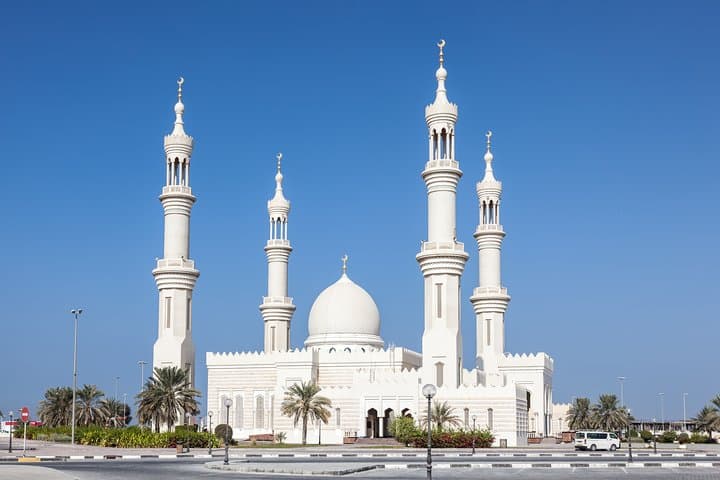
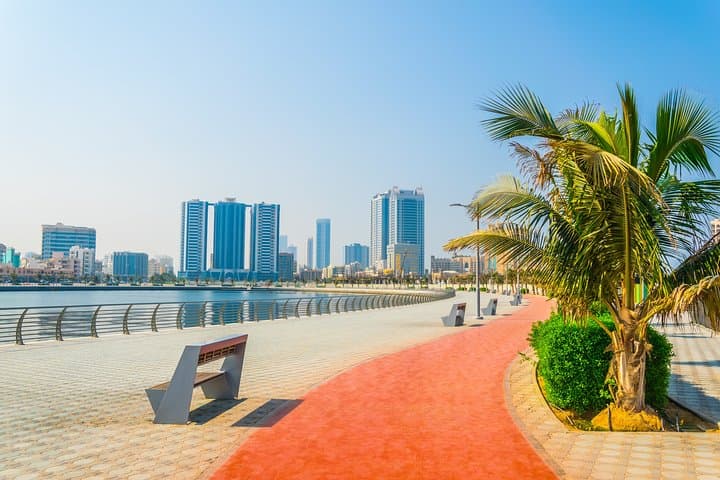
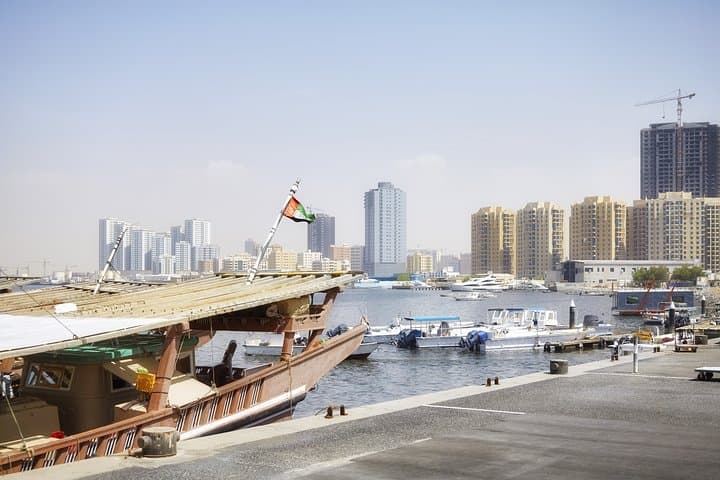
You step off the corniche and the Gulf breeze dares you forward, carrying a salt-and-spice scent past low-rise stone buildings and shaded alleys. The walking tour threads through Ajman's compact center—from the crenelated Ajman Fort to the quiet courtyards around Ajman Museum—where doors and windows hold stories the guide unfolds.
You step off the corniche and the Gulf breeze dares you forward, carrying a salt-and-spice scent past low-rise stone buildings and shaded alleys. The walking tour threads through Ajman's compact center—from the crenelated Ajman Fort to the quiet courtyards around Ajman Museum—where doors and windows hold stories the guide unfolds.
Ajman grew around sea trade and pearling; its fort was rebuilt in the late 18th century and later converted into the museum that now maps daily life with dioramas and archaeological finds. The shoreline here is young—coastal dunes and reclaimed land meet older coastal alluvium—so geology plays second fiddle to the human story: Emirati families, merchant houses, and the first private university in the GCC, Ajman University, which marked the emirate’s modern educational push in 1988.
Culture shows in small acts—tea poured for guests, fishermen mending nets, students crossing plazas—while signage and murals nod to recent urban growth. Local insights from a professional guide reveal why Mowaihat matters to residents and which alleys produce the best street photography.
Practical guidance: this is an easy, low-impact tour on paved streets with occasional sand patches. Wear breathable shoes, carry water, and plan for shade around midday. Expect about two hours on foot, polite conversation in English or Arabic, and photo stops at Ajman Museum and the corniche. If you want quieter moments, ask the guide to linger at the mangrove edge near Al Zorah or the little fish market off the main road.