THE ADVENTURE COLLECTIVE® · Independent discovery and booking for outdoor travel

Descend into the ATM cave and cross a subterranean river to find pottery, sacrificial altars, and the famed Crystal Maiden. This full‑day Belizean adventure blends geology, Maya history, and hands‑on exploration—expect swims, slick rock, and a strict conservation ethic.
Descend into the ATM cave and cross a subterranean river to find pottery, sacrificial altars, and the famed Crystal Maiden. This full‑day Belizean adventure blends geology, Maya history, and hands‑on exploration—expect swims, slick rock, and a strict conservation ethic.
You stand at the jungle’s edge and the air changes: heavier, cooler, carrying the mineral tang of water and limestone. Guides hand out wetsuits and river shoes; the first act is literal—swim into a yawning mouth where light narrows into banded shadows. The river dares you forward, then lets you clamber onto slick rocks, ankle- to chest‑deep at times, as a low tunnel funnels into dry passages and the cave opens into a cathedral 350 meters long and some 50 meters across.
Verified experiences and guided adventures in the surrounding area.
Operated by Get to Know Belize Adventures · San Ignacio, Cayo District
You stand at the jungle’s edge and the air changes: heavier, cooler, carrying the mineral tang of water and limestone. Guides hand out wetsuits and river shoes; the first act is literal—swim into a yawning mouth where light narrows into banded shadows. The river dares you forward, then lets you clamber onto slick rocks, ankle- to chest‑deep at times, as a low tunnel funnels into dry passages and the cave opens into a cathedral 350 meters long and some 50 meters across.
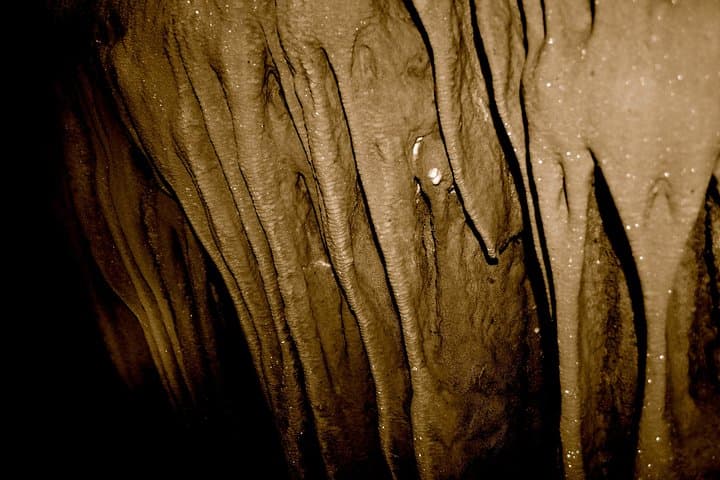
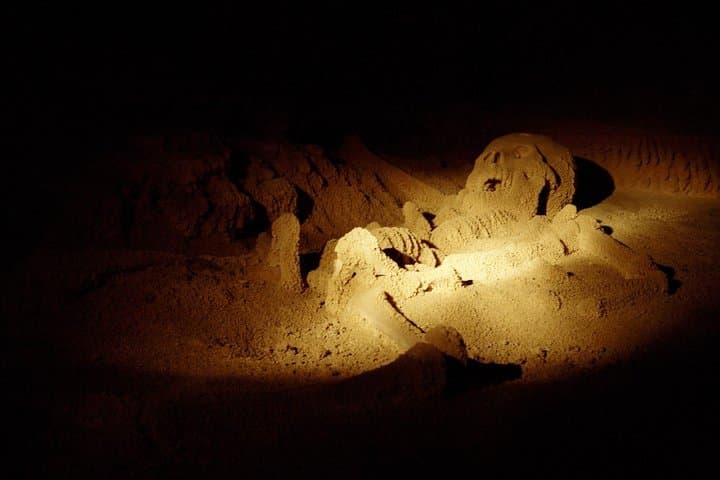
This is Actun Tunichil Muknal (ATM), the Maya “Cave of the Stone Sepulchre,” used for ritual between roughly 300–600 AD. The geology is simple and relentless: Cretaceous limestone carved by rain and subterranean rivers, producing flowstones, calcite “diamonds,” and pools that mirror the lanterns of your group. The Maya chose these rooms deliberately — darkness was a theatre for ceremony. Pots, ceramics, and human remains mark offerings; the Crystal Maiden, a teenage sacrifice whose bones were glazed by calcite over millennia, lies in the stone chamber like a fossilized promise.
Local guides layer history with field experience: they’ll point out pottery shards, explain sacrificial practice in the context of Maya cosmology, and remind visitors of strict rules—no touching, no touching the calcite, and no flash photography. Culturally, ATM sits in a landscape still lived-in by Maya-descended communities; tours support local guides and conservation efforts that limit group sizes and control access.
Practically, expect a full day—this operator runs a roughly nine-hour excursion with hotel pickup (Hopkins and nearby lodgings), boat or vehicle transfers, bottled water, and lunch. The route involves a short swim, wading through variable water depths, rock-hopping over uneven, slippery terrain, and some crouched passages; total walking isn’t huge, but the technical feel is constant. Bring footwear with aggressive soles, a small daypack with a dry change of clothes, and a willingness to get wet and dirty.
Timing matters: the cave is cooler than the jungle but humid; arrive with a full water bottle and an empty stomach for the trekking. Respect the site—its fragile calcite and archaeological remains cannot be restored if damaged. If you want photos, plan for wide-angle, low-light setups and defer to guides about permitted spots.
ATM is more than a hike; it’s a passage through geology, ritual, and time. The journey tests balance and calm, and rewards with a quiet, almost personal encounter with an ancient world that still speaks through stone and water.
moderate.
9 hours.
Moderate fitness—comfortable walking, swimming short distances, and basic scrambling over uneven, wet rock.
Expect a moderate full-day activity: short swims, ankle- to chest‑deep wading, and rock-scrambling on slippery surfaces. Guides recommend moderate fitness.
Children are allowed but suitability depends on age and swimming ability—confirm with the operator and request a child seat for transport if needed.
Still cameras without flash are generally allowed in specific areas; flash photography and touching artifacts are strictly prohibited—follow the guide’s instructions.
Closed-toe water shoes, quick-dry clothing, and a light layer for the cool cave interior; bring a dry change of clothes for the trip back.
Yes—the Crystal Maiden refers to a teenage skeleton found in a stone chamber whose bones are partially crystallized by calcite deposits from thousands of years of mineral growth.
Pickup is provided from Hopkins; travel time by road to the trailhead is typically 1.5–2 hours depending on route and transfer arrangements.
ATM was an active Maya ceremonial site during the Early Classic period (≈300–600 AD) and contains ritual offerings, pottery, and human remains used in fertility and appeasement rites.
Access is tightly controlled to prevent damage to fragile calcite and artifacts; follow guide rules, avoid touching surfaces, and support local conservation fees.
Get to Know Belize Adventures operates guided outdoor trips and adventures with an emphasis on safety, stewardship, and memorable experiences.
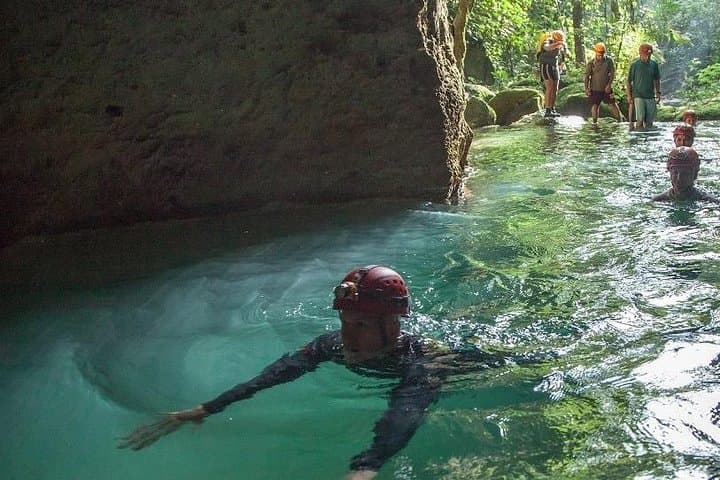
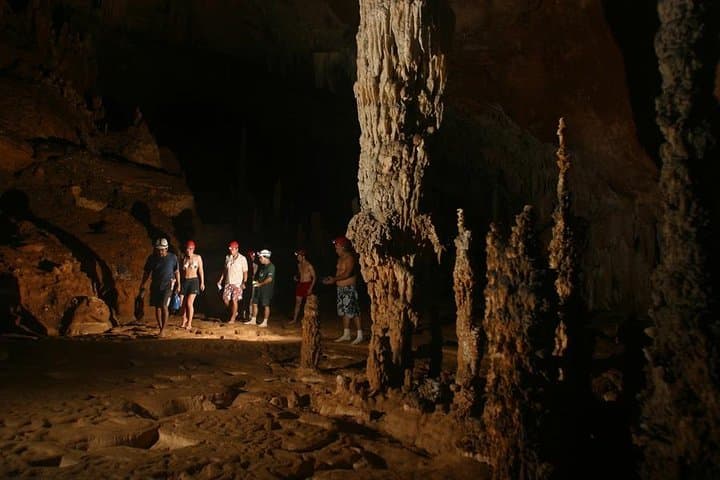
You stand at the jungle’s edge and the air changes: heavier, cooler, carrying the mineral tang of water and limestone. Guides hand out wetsuits and river shoes; the first act is literal—swim into a yawning mouth where light narrows into banded shadows. The river dares you forward, then lets you clamber onto slick rocks, ankle- to chest‑deep at times, as a low tunnel funnels into dry passages and the cave opens into a cathedral 350 meters long and some 50 meters across.
You stand at the jungle’s edge and the air changes: heavier, cooler, carrying the mineral tang of water and limestone. Guides hand out wetsuits and river shoes; the first act is literal—swim into a yawning mouth where light narrows into banded shadows. The river dares you forward, then lets you clamber onto slick rocks, ankle- to chest‑deep at times, as a low tunnel funnels into dry passages and the cave opens into a cathedral 350 meters long and some 50 meters across.
This is Actun Tunichil Muknal (ATM), the Maya “Cave of the Stone Sepulchre,” used for ritual between roughly 300–600 AD. The geology is simple and relentless: Cretaceous limestone carved by rain and subterranean rivers, producing flowstones, calcite “diamonds,” and pools that mirror the lanterns of your group. The Maya chose these rooms deliberately — darkness was a theatre for ceremony. Pots, ceramics, and human remains mark offerings; the Crystal Maiden, a teenage sacrifice whose bones were glazed by calcite over millennia, lies in the stone chamber like a fossilized promise.
Local guides layer history with field experience: they’ll point out pottery shards, explain sacrificial practice in the context of Maya cosmology, and remind visitors of strict rules—no touching, no touching the calcite, and no flash photography. Culturally, ATM sits in a landscape still lived-in by Maya-descended communities; tours support local guides and conservation efforts that limit group sizes and control access.
Practically, expect a full day—this operator runs a roughly nine-hour excursion with hotel pickup (Hopkins and nearby lodgings), boat or vehicle transfers, bottled water, and lunch. The route involves a short swim, wading through variable water depths, rock-hopping over uneven, slippery terrain, and some crouched passages; total walking isn’t huge, but the technical feel is constant. Bring footwear with aggressive soles, a small daypack with a dry change of clothes, and a willingness to get wet and dirty.
Timing matters: the cave is cooler than the jungle but humid; arrive with a full water bottle and an empty stomach for the trekking. Respect the site—its fragile calcite and archaeological remains cannot be restored if damaged. If you want photos, plan for wide-angle, low-light setups and defer to guides about permitted spots.
ATM is more than a hike; it’s a passage through geology, ritual, and time. The journey tests balance and calm, and rewards with a quiet, almost personal encounter with an ancient world that still speaks through stone and water.