THE ADVENTURE COLLECTIVE® · Independent discovery and booking for outdoor travel

Spend a half day tracing the threads of Central Australian Aboriginal art across community-run galleries and contemporary institutions in Alice Springs. This guided tour pairs insight on provenance and culture with visits to off-the-grid art centres where works are made and sold ethically.
Spend a half day tracing the threads of Central Australian Aboriginal art across community-run galleries and contemporary institutions in Alice Springs. This guided tour pairs insight on provenance and culture with visits to off-the-grid art centres where works are made and sold ethically.
You step out of the car into the dry heat of central Australia and the town unfolds in ochre walls and low-slung galleries; the air smells faintly of eucalyptus and baking earth. A local guide meets you with a coffee and a short briefing on Aboriginal art — not as an exhibition behind glass but as living connections to country, family and ceremony.
Verified experiences and guided adventures in the surrounding area.
Operated by Art Tours of Australia · Alice Springs, Northern Territory
You step out of the car into the dry heat of central Australia and the town unfolds in ochre walls and low-slung galleries; the air smells faintly of eucalyptus and baking earth. A local guide meets you with a coffee and a short briefing on Aboriginal art — not as an exhibition behind glass but as living connections to country, family and ceremony.
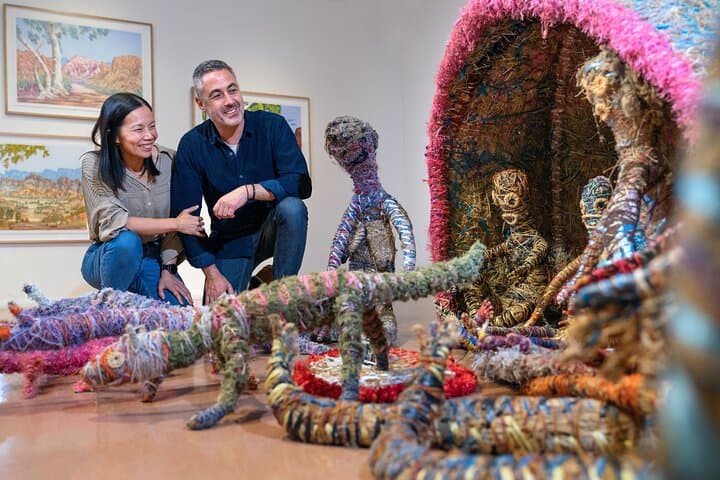
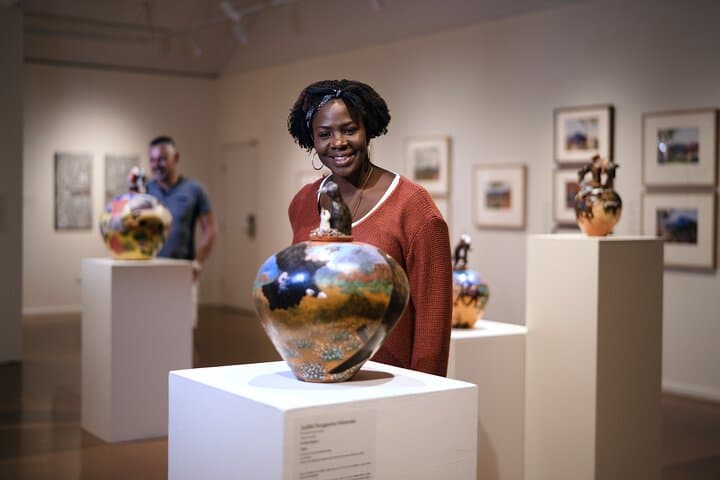
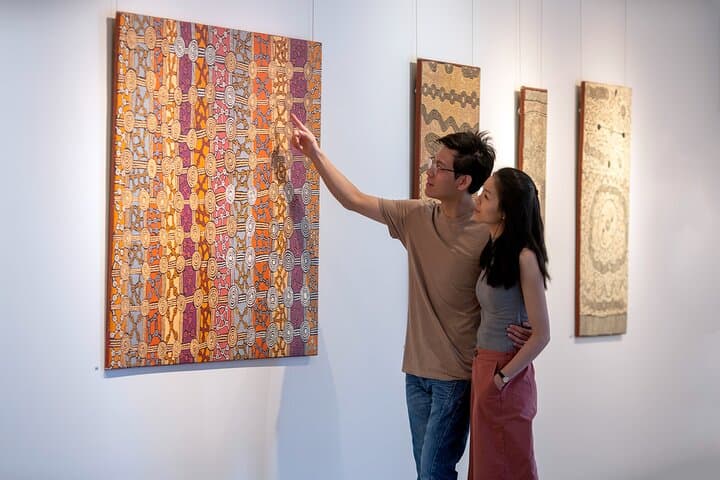
Alice Springs (Mparntwe) sits on Arrernte land at the geographic heart of Australia. The region’s geology — ancient sandstone and river flats carved by ephemeral creeks — shaped the pigments and stories artists work with. Galleries here range from small community-run art centres where works are made in collective workshops, to larger institutions displaying contemporary pieces influenced by decades of cultural exchange. Expect to see dot paintings, acrylic landscapes, watercolour traditions descended from Albert Namatjira, and locally produced bush medicine and woven crafts.
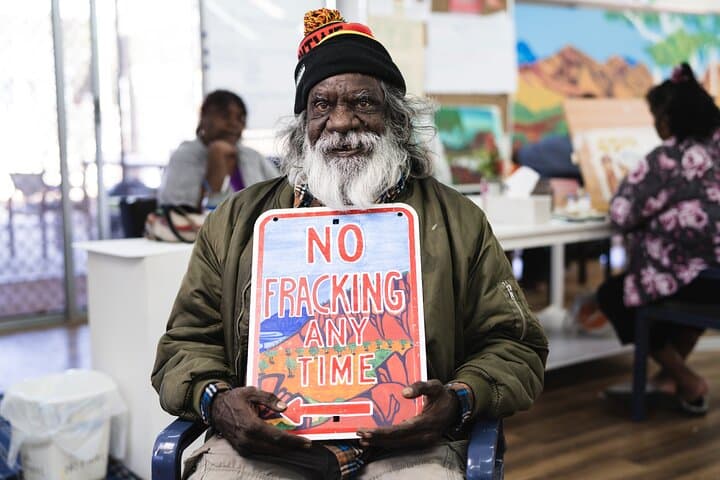
The half-day route visits off-the-beaten galleries, community-run studios and a social-enterprise shop; the guide explains provenance, appropriate buying protocols and how purchases support artists and families. Visits are timed respectfully to community schedules.
Practical tips: wear comfortable shoes for short walks between galleries, carry water and sun protection, and allow time to listen — vendors often tell the story behind a work. Payment options vary; bring card and a small amount of cash. Tours run 2–4 hours and are suitable for most fitness levels; mobility needs are accommodated with advance notice. Morning slots avoid the harshest heat and give fresher light for viewing colours. The experience is a compact, educational window into Central Australian art practice and the living culture that sustains it.
easy.
2–4 hours.
Suitable for most fitness levels; involves short walks and standing inside galleries.
Yes — guides explain provenance and pricing; art sales directly support centres and artists and commissions are not taken by guides.
Many stops can be made accessible with advance notice; indicate mobility needs at booking so the operator arranges suitable transport and timings.
The standard tour runs 2–4 hours and typically visits 5–7 galleries and art centres depending on scheduling and community availability.
Yes, the itinerary often includes community-run studios where artists work; meetings depend on community schedules and are arranged respectfully by the guide.
Alice Springs is on Arrernte country and became an artistic hub after watercolour artist Albert Namatjira brought attention to Central Australian landscape painting; community art centres later expanded contemporary Aboriginal art markets.
Art centres provide economic support that encourages cultural continuity and sustainable materials; when buying, ask about source materials and community benefits to reduce exploitation.
Art Tours of Australia operates guided outdoor trips and adventures with an emphasis on safety, stewardship, and memorable experiences.
You step out of the car into the dry heat of central Australia and the town unfolds in ochre walls and low-slung galleries; the air smells faintly of eucalyptus and baking earth. A local guide meets you with a coffee and a short briefing on Aboriginal art — not as an exhibition behind glass but as living connections to country, family and ceremony.
You step out of the car into the dry heat of central Australia and the town unfolds in ochre walls and low-slung galleries; the air smells faintly of eucalyptus and baking earth. A local guide meets you with a coffee and a short briefing on Aboriginal art — not as an exhibition behind glass but as living connections to country, family and ceremony.
Alice Springs (Mparntwe) sits on Arrernte land at the geographic heart of Australia. The region’s geology — ancient sandstone and river flats carved by ephemeral creeks — shaped the pigments and stories artists work with. Galleries here range from small community-run art centres where works are made in collective workshops, to larger institutions displaying contemporary pieces influenced by decades of cultural exchange. Expect to see dot paintings, acrylic landscapes, watercolour traditions descended from Albert Namatjira, and locally produced bush medicine and woven crafts.
The half-day route visits off-the-beaten galleries, community-run studios and a social-enterprise shop; the guide explains provenance, appropriate buying protocols and how purchases support artists and families. Visits are timed respectfully to community schedules.
Practical tips: wear comfortable shoes for short walks between galleries, carry water and sun protection, and allow time to listen — vendors often tell the story behind a work. Payment options vary; bring card and a small amount of cash. Tours run 2–4 hours and are suitable for most fitness levels; mobility needs are accommodated with advance notice. Morning slots avoid the harshest heat and give fresher light for viewing colours. The experience is a compact, educational window into Central Australian art practice and the living culture that sustains it.