THE ADVENTURE COLLECTIVE® · Independent discovery and booking for outdoor travel

Spend a day traveling the world without leaving Miami—Zoo Miami spreads large habitats across 340 acres, from the Amazon rainforest to Florida wetlands. This guide covers what to see, when to go, and how to plan a comfortable, conservation-minded visit.
Spend a day traveling the world without leaving Miami—Zoo Miami spreads large habitats across 340 acres, from the Amazon rainforest to Florida wetlands. This guide covers what to see, when to go, and how to plan a comfortable, conservation-minded visit.
You step through the gate and the city noise thins; the air warms and a chorus of calls—parrots, cranes, distant primates—pulls you deeper into the paths. Shaded avenues wind across broad lawns and curated habitats, and every turn brings a different ecosystem: Asian aviaries crackle with color, the Amazon exhibit breathes humid and green, and Florida habitats hum with marsh sounds that dare you to slow down and listen.
Verified experiences and guided adventures in the surrounding area.
Operated by Zoo Miami · Miami, Florida
You step through the gate and the city noise thins; the air warms and a chorus of calls—parrots, cranes, distant primates—pulls you deeper into the paths. Shaded avenues wind across broad lawns and curated habitats, and every turn brings a different ecosystem: Asian aviaries crackle with color, the Amazon exhibit breathes humid and green, and Florida habitats hum with marsh sounds that dare you to slow down and listen.
Zoo Miami occupies roughly 340 developed acres in southwestern Miami-Dade County and houses over 2,000 animals and 1,200 plant species. Founded as Miami-Dade’s zoological park in the mid-20th century and expanded to its current site, the zoo emphasizes regional and global habitats—’Amazon and Beyond’ showcases jaguars, anacondas, harpy eagles and a 48,000-gallon aquarium, while ‘Florida: Mission Everglades’ focuses on local species and ecosystems.
Geology here is subtle—flat limestone and coastal hammocks shaped by South Florida’s low relief—and the landscaping favors native plants to support wildlife displays. Cultural ties run through educational keeper talks and community outreach, where the zoo connects visitors to conservation priorities in the Everglades and beyond.
Practical notes: allow 4–6 hours to move at an unhurried pace; wear comfortable walking shoes and sun protection; peak visiting hours are mid-morning to early afternoon. Bring a refillable water bottle—the zoo has water stations—and plan timed animal talks if you want keeper interactions. Parking is onsite; check seasonal hours and feed-option availability if you add the upgrade. With a mix of indoor and outdoor exhibits, timing your visit around Miami’s heat and afternoon showers will make the day smoother and more enjoyable.
easy.
4–6 hours.
Moderate—expect several miles of walking on mostly flat paths; a basic level of mobility is recommended
General admission allows entry any time during operating hours (typically 10:00am–5:00pm); plan for a 4–6 hour visit to see major exhibits.
Yes—paths and many exhibits are wheelchair accessible; mobility assistance and accessible restrooms are available.
Feedings and animal encounters are usually optional upgrades and are not included with standard admission unless you select a package that specifies them.
Yes—onsite parking is available; parking fees are listed with admissions and may be charged separately depending on ticket type.
Established mid-20th century as Miami-Dade’s zoological park and expanded to the current 340-acre site, the zoo has grown into one of the largest in the U.S. with a focus on regionally themed habitats.
Zoo Miami participates in captive-breeding and regional conservation programs and emphasizes native plantings and educational outreach to reduce visitor impact and support habitat restoration.
Zoo Miami operates guided outdoor trips and adventures with an emphasis on safety, stewardship, and memorable experiences.



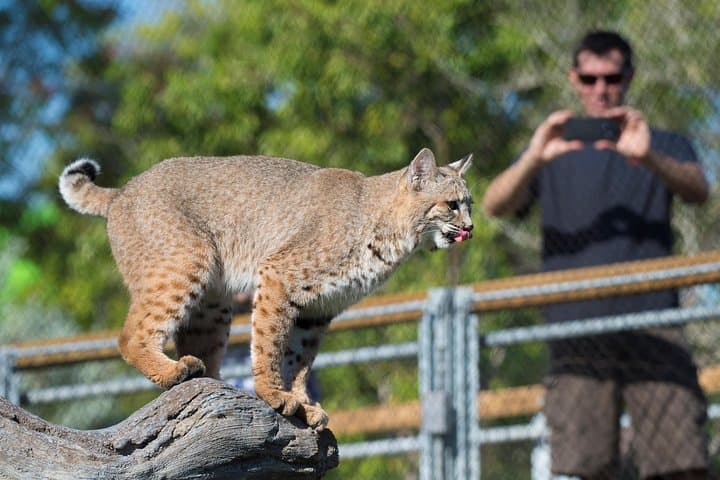
You step through the gate and the city noise thins; the air warms and a chorus of calls—parrots, cranes, distant primates—pulls you deeper into the paths. Shaded avenues wind across broad lawns and curated habitats, and every turn brings a different ecosystem: Asian aviaries crackle with color, the Amazon exhibit breathes humid and green, and Florida habitats hum with marsh sounds that dare you to slow down and listen.
You step through the gate and the city noise thins; the air warms and a chorus of calls—parrots, cranes, distant primates—pulls you deeper into the paths. Shaded avenues wind across broad lawns and curated habitats, and every turn brings a different ecosystem: Asian aviaries crackle with color, the Amazon exhibit breathes humid and green, and Florida habitats hum with marsh sounds that dare you to slow down and listen.
Zoo Miami occupies roughly 340 developed acres in southwestern Miami-Dade County and houses over 2,000 animals and 1,200 plant species. Founded as Miami-Dade’s zoological park in the mid-20th century and expanded to its current site, the zoo emphasizes regional and global habitats—’Amazon and Beyond’ showcases jaguars, anacondas, harpy eagles and a 48,000-gallon aquarium, while ‘Florida: Mission Everglades’ focuses on local species and ecosystems.
Geology here is subtle—flat limestone and coastal hammocks shaped by South Florida’s low relief—and the landscaping favors native plants to support wildlife displays. Cultural ties run through educational keeper talks and community outreach, where the zoo connects visitors to conservation priorities in the Everglades and beyond.
Practical notes: allow 4–6 hours to move at an unhurried pace; wear comfortable walking shoes and sun protection; peak visiting hours are mid-morning to early afternoon. Bring a refillable water bottle—the zoo has water stations—and plan timed animal talks if you want keeper interactions. Parking is onsite; check seasonal hours and feed-option availability if you add the upgrade. With a mix of indoor and outdoor exhibits, timing your visit around Miami’s heat and afternoon showers will make the day smoother and more enjoyable.