THE ADVENTURE COLLECTIVE® · Independent discovery and booking for outdoor travel

Covering shrine trail, cedar forest, Ryūmon Waterfall and Tsuburo Lake, this guided e‑bike loop in Yoshino pairs easy pedaling with brief hikes and a lakeside tea stop. Ideal for active travelers who want rural Nara’s nature and timber culture in a half‑day outing.
Covering shrine trail, cedar forest, Ryūmon Waterfall and Tsuburo Lake, this guided e‑bike loop in Yoshino pairs easy pedaling with brief hikes and a lakeside tea stop. Ideal for active travelers who want rural Nara’s nature and timber culture in a half‑day outing.
You push off from the station and the valley opens: cedar trunks lining a cool ribbon of road, the Yoshino River urging you downstream, and the hum of an e‑motor keeping the pace steady as you climb. The ride moves between shrine hush and the sudden roar of a waterfall—Ryūmon—after a brief woodland stroll, then eases onto a lakeside road where a suspension bridge pitches you ten metres above Tsuburo Lake.
Verified experiences and guided adventures in the surrounding area.
Operated by Yoshino Visitors Bureau · Yoshino, Nara
You push off from the station and the valley opens: cedar trunks lining a cool ribbon of road, the Yoshino River urging you downstream, and the hum of an e‑motor keeping the pace steady as you climb. The ride moves between shrine hush and the sudden roar of a waterfall—Ryūmon—after a brief woodland stroll, then eases onto a lakeside road where a suspension bridge pitches you ten metres above Tsuburo Lake.
Yoshino has been a place of mountain worship and timbercraft for centuries; Yoshinoyama’s spring blossoms made the area famous enough to earn World Heritage recognition. Geology here is folded granite and sandstone, cut by streams that produce narrow gorges and mossy waterfalls. Local culture still orbits the forest economy—woodworking and seasonal festivals—and small shrines like Yamaguchi Shrine mark routes used by pilgrims and loggers alike.
Expect a mixed itinerary: 3.5 hours total, short paved and gravel roads, a 10–15 minute forest walk to the falls, and gentle climbs punctuated by brief steeper pitches. The suspension bridge and narrow village lanes require confident bike handling. Practicalities: bring hydration, layered clothing for cool shade under cedars, and cash—services near the station are limited. Helmets and e‑bikes are provided; a guided tea break at the lake gives time to dry off and reset before the riverside return. For those who want a compact taste of rural Nara—water, wood, and shrine—this ride delivers vivid scenery with manageable effort.
moderate.
3–4 hours.
Best for travelers with moderate fitness who can handle short climbs and 1–2 hours of cycling.
No advanced experience is required, but you should be comfortable riding a standard bicycle; guides give a briefing and helmets are provided.
Minimum height requirement is 144 cm; children meeting that height and comfortable cycling may join with parental discretion.
The tour may be cancelled for heavy rain or unsafe conditions; refunds are provided if cancelled at least 24 hours beforehand per policy.
A lakeside tea time is included; however, other food options are limited near the station, so bring snacks if needed.
Yoshino has been a center of mountain religion and high-quality timber for centuries; Yoshinoyama’s cherry‑blossom tradition contributed to its World Heritage status.
Local communities manage selective forestry and trails—stay on marked paths, avoid disturbing flora, and pack out waste to support sustainable tourism.
Yoshino Visitors Bureau operates guided outdoor trips and adventures with an emphasis on safety, stewardship, and memorable experiences.
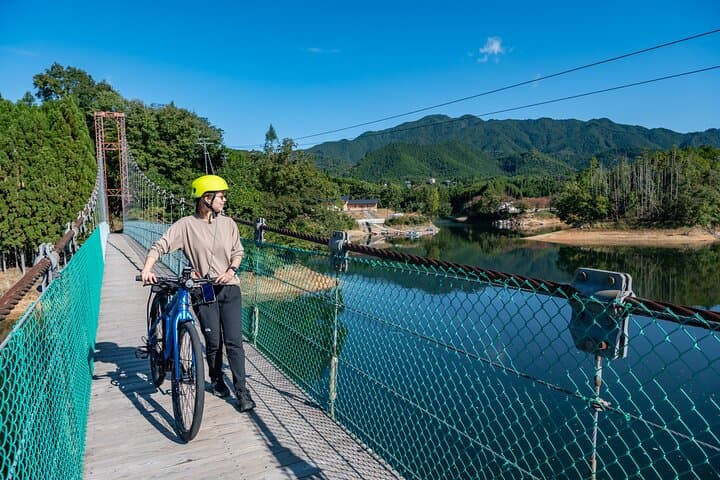
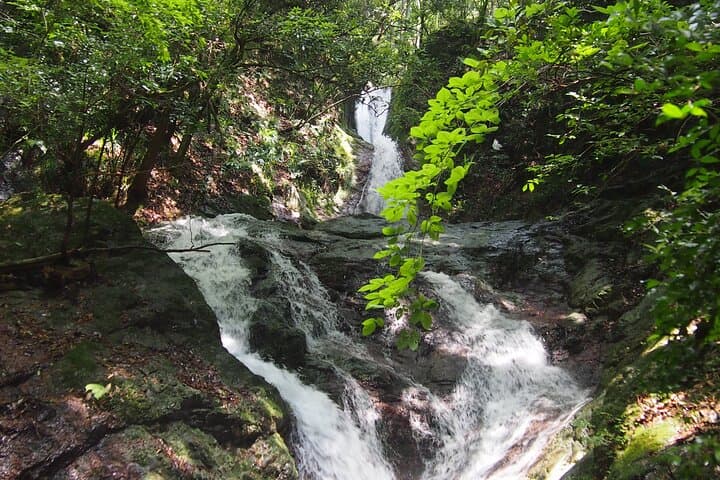
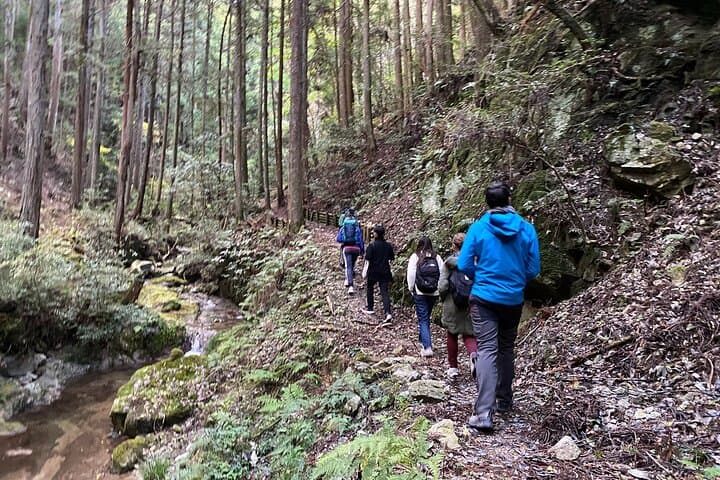
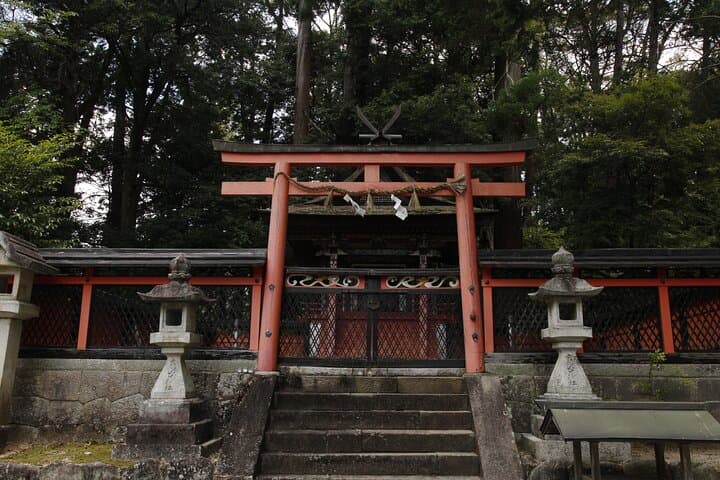
You push off from the station and the valley opens: cedar trunks lining a cool ribbon of road, the Yoshino River urging you downstream, and the hum of an e‑motor keeping the pace steady as you climb. The ride moves between shrine hush and the sudden roar of a waterfall—Ryūmon—after a brief woodland stroll, then eases onto a lakeside road where a suspension bridge pitches you ten metres above Tsuburo Lake.
You push off from the station and the valley opens: cedar trunks lining a cool ribbon of road, the Yoshino River urging you downstream, and the hum of an e‑motor keeping the pace steady as you climb. The ride moves between shrine hush and the sudden roar of a waterfall—Ryūmon—after a brief woodland stroll, then eases onto a lakeside road where a suspension bridge pitches you ten metres above Tsuburo Lake.
Yoshino has been a place of mountain worship and timbercraft for centuries; Yoshinoyama’s spring blossoms made the area famous enough to earn World Heritage recognition. Geology here is folded granite and sandstone, cut by streams that produce narrow gorges and mossy waterfalls. Local culture still orbits the forest economy—woodworking and seasonal festivals—and small shrines like Yamaguchi Shrine mark routes used by pilgrims and loggers alike.
Expect a mixed itinerary: 3.5 hours total, short paved and gravel roads, a 10–15 minute forest walk to the falls, and gentle climbs punctuated by brief steeper pitches. The suspension bridge and narrow village lanes require confident bike handling. Practicalities: bring hydration, layered clothing for cool shade under cedars, and cash—services near the station are limited. Helmets and e‑bikes are provided; a guided tea break at the lake gives time to dry off and reset before the riverside return. For those who want a compact taste of rural Nara—water, wood, and shrine—this ride delivers vivid scenery with manageable effort.