THE ADVENTURE COLLECTIVE® · Independent discovery and booking for outdoor travel

Discover downtown Yangon on a focused two-hour walking tour that blends colonial architecture, local tea culture, and neighborhood stories. Perfect for first-time visitors who want context and contact with the city’s everyday life.
Discover downtown Yangon on a focused two-hour walking tour that blends colonial architecture, local tea culture, and neighborhood stories. Perfect for first-time visitors who want context and contact with the city’s everyday life.
A morning in downtown Yangon begins at Mahabandoola Park, where buses idle and the city exhales into the shade of tamarind trees. The guide meets the group at the park's independent monument and steers them into the grid of colonial boulevards—City Hall's broad steps, the Sule Pagoda rising like a quiet axis, and the low, timeworn facades of Pansodan and Merchant roads.
Verified experiences and guided adventures in the surrounding area.
Operated by Wonderful Myanmar · Yangon, Yangon Region
A morning in downtown Yangon begins at Mahabandoola Park, where buses idle and the city exhales into the shade of tamarind trees. The guide meets the group at the park's independent monument and steers them into the grid of colonial boulevards—City Hall's broad steps, the Sule Pagoda rising like a quiet axis, and the low, timeworn facades of Pansodan and Merchant roads.
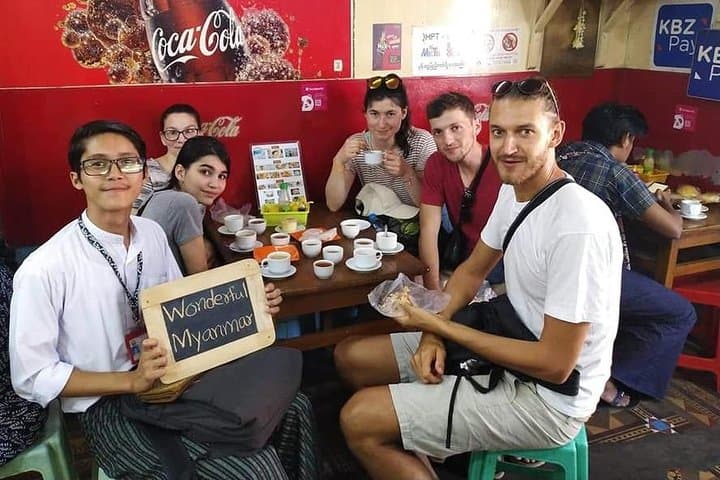
The two-hour route threads history and daily life. Colonial-era banks and wooden shops tell the story of Yangon’s 19th-century commerce; the Armenian Church holds the city's small diaspora memory; tea houses deliver ritual and caffeine, while a betel shop offers a raw, sensory crash course in local customs. Geology here is flat delta plain—streets reflect a mangrove-to-river past—and the nearby Yangon River quietly shaped the port economy that built the downtown grid.
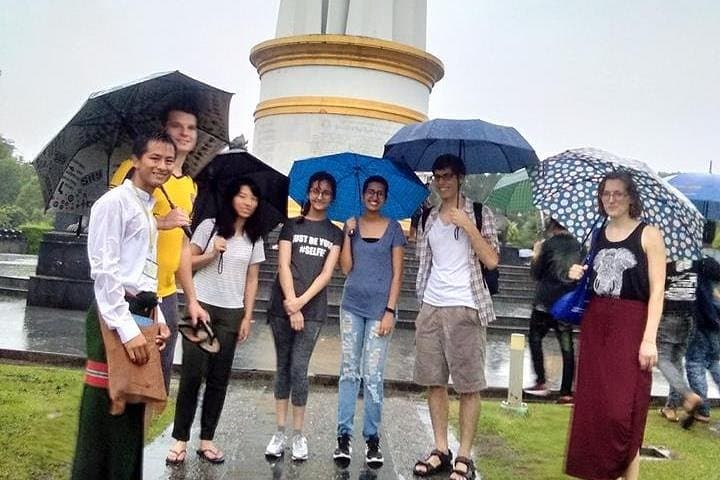
Practical insights are simple: this tour prioritizes local connection over monuments, so expect conversation, stops in working shops, and a chance to try tea. Walks are on firm pavements with brief market detours; crowds and noise are part of the texture. Midday heat and monsoon rain are the two real obstacles—sunscreen, a hat, and a compact rain jacket matter more than flash photography gear. Bring small bills for tea, small purchases, and tour contributions; wear closed shoes for uneven sidewalks.
For travelers wanting a concentrated, people-focused introduction to Yangon, this short walk delivers history, architecture, and everyday life in a paced, accessible format.
easy.
2 hours.
Suitable for people who can walk 2–3 miles on flat city sidewalks; moderate mobility recommended.
The guide meets the group in front of the independent monument inside Mahabandoola Park near City Hall.
The tour includes visits where indicated; most stops are observational or in public tea houses—any paid entry will be noted in the itinerary.
Yes if participants can walk for two hours on city sidewalks; notify the operator of mobility or health concerns when booking.
Tours are led by a licensed local expert; confirm language availability at booking since guides may offer English and local languages.
Downtown Yangon was shaped by British colonial planning and rapid port-driven growth in the 19th and early 20th centuries; many bank and municipal buildings date from that era.
Support local sustainability by buying from small vendors, avoiding single-use plastics, and asking before photographing people in markets.
Wonderful Myanmar operates guided outdoor trips and adventures with an emphasis on safety, stewardship, and memorable experiences.
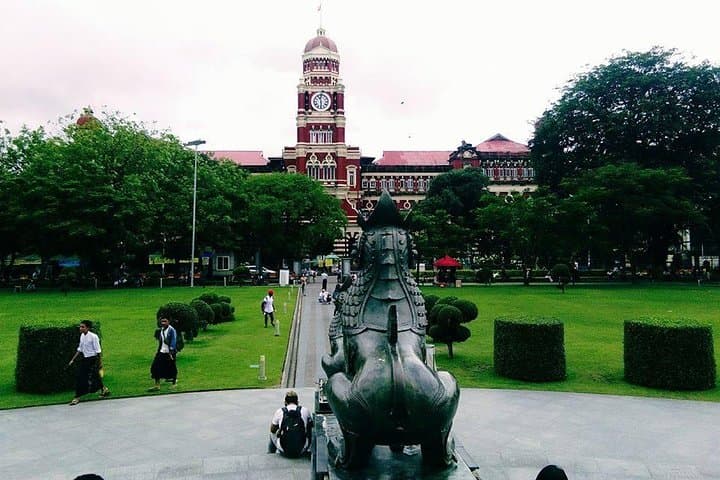
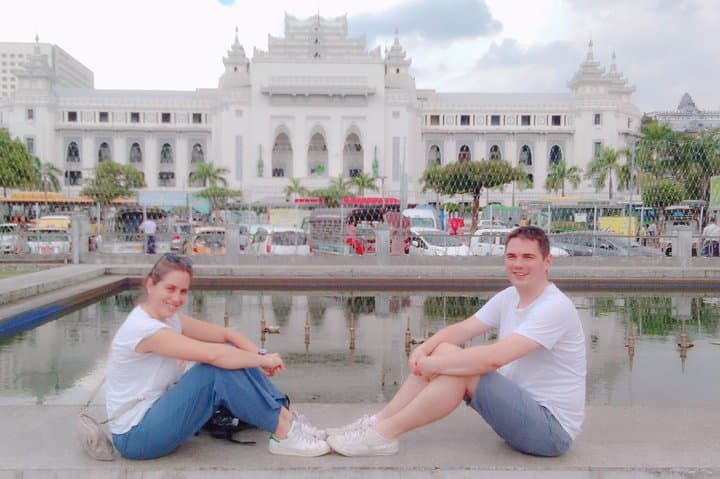
A morning in downtown Yangon begins at Mahabandoola Park, where buses idle and the city exhales into the shade of tamarind trees. The guide meets the group at the park's independent monument and steers them into the grid of colonial boulevards—City Hall's broad steps, the Sule Pagoda rising like a quiet axis, and the low, timeworn facades of Pansodan and Merchant roads.
A morning in downtown Yangon begins at Mahabandoola Park, where buses idle and the city exhales into the shade of tamarind trees. The guide meets the group at the park's independent monument and steers them into the grid of colonial boulevards—City Hall's broad steps, the Sule Pagoda rising like a quiet axis, and the low, timeworn facades of Pansodan and Merchant roads.
The two-hour route threads history and daily life. Colonial-era banks and wooden shops tell the story of Yangon’s 19th-century commerce; the Armenian Church holds the city's small diaspora memory; tea houses deliver ritual and caffeine, while a betel shop offers a raw, sensory crash course in local customs. Geology here is flat delta plain—streets reflect a mangrove-to-river past—and the nearby Yangon River quietly shaped the port economy that built the downtown grid.
Practical insights are simple: this tour prioritizes local connection over monuments, so expect conversation, stops in working shops, and a chance to try tea. Walks are on firm pavements with brief market detours; crowds and noise are part of the texture. Midday heat and monsoon rain are the two real obstacles—sunscreen, a hat, and a compact rain jacket matter more than flash photography gear. Bring small bills for tea, small purchases, and tour contributions; wear closed shoes for uneven sidewalks.
For travelers wanting a concentrated, people-focused introduction to Yangon, this short walk delivers history, architecture, and everyday life in a paced, accessible format.