THE ADVENTURE COLLECTIVE® · Independent discovery and booking for outdoor travel

Walk through Willemstad’s bright waterfront, market lanes and historic forts on a 2.5-hour guided tour that pairs local bites and rum tasting with stories of colonial defense and island culture. Perfect for first-time visitors who want context and flavor without wasting a day.
Walk through Willemstad’s bright waterfront, market lanes and historic forts on a 2.5-hour guided tour that pairs local bites and rum tasting with stories of colonial defense and island culture. Perfect for first-time visitors who want context and flavor without wasting a day.
You step off the Rif Fort gate into a harbor the color of old copper, the floating bridge yawning at your feet and the air carrying salt, frying plantain and faint wood smoke. Guides in light-blue shirts lead a steady group through streets where colonial facades flare in coral, ochre and mint; muraled alleys keep stories on their walls.
Verified experiences and guided adventures in the surrounding area.
Operated by Curacao Fascinating Tours · Willemstad, Curaçao
You step off the Rif Fort gate into a harbor the color of old copper, the floating bridge yawning at your feet and the air carrying salt, frying plantain and faint wood smoke. Guides in light-blue shirts lead a steady group through streets where colonial facades flare in coral, ochre and mint; muraled alleys keep stories on their walls.
This 2.5-hour walk threads history and everyday life. Fort walls around St. Anna Bay once held cannons against pirates; the island itself is uplifted limestone and ancient coral, its buildings sitting on a porous foundation that shaped how neighborhoods grew. You pass Queen Emma Bridge, Gómez Square and the Mikvé Israel Emanuel synagogue — one of the oldest in continuous Western use — while guides drop names like Pedro Luis Brión and explain Curaçao’s Dutch, African and Caribbean mix that formed the island’s Papiamentu-speaking culture.
Expect markets, a flip-side of Willemstad where stallholders sell tropical fruit and the local snack arep’i pampuna (pumpkin pancake), and an optional AnnaBay rum tasting on select departures. The route is mostly flat stone and paved sidewalks totaling roughly 2–3 km at a moderate pace, suitable for most walkers.
Practicalities: meet at Rif Fort by the cannon; tours cap at about 20 people and finish in Punda near Emma Bridge with taxi options for Mambo Beach. Morning departures are cooler and best for photography; bring sun protection, a refillable water bottle, and small change for market purchases. The tour offers a compact, sensory primer to Willemstad — history, flavor and colorful streets that invite a longer stay.
moderate.
2–3 hours.
Lightly active — able to walk 2–3 km at a steady pace and climb short sets of steps; suitable for most adults and children used to walking.
The meeting point is at the Rif Fort gate facing the floating bridge next to the cannon; the tour ends in Punda near Emma Bridge with easy taxi access to Mambo Beach or hotels.
A rum tasting at AnnaBay is offered on select departures, typically on Saturdays; other departures may include a small water bottle and local snack instead.
The tour is stroller accessible and service animals are allowed; expect some cobbled areas where you may need to lift or guide a stroller.
The route covers roughly 2–3 km at a moderate pace with short standing stops; seniors with reasonable mobility can usually participate but should note some uneven sidewalks and bring support if needed.
Willemstad grew as a 17th-century Dutch trading hub; forts and merchant houses around St. Anna Bay reflect colonial defense and mercantile architecture shaped by coral-limestone geology.
Curaçao manages sensitive coastal and reef environments; stick to marked areas, avoid littering in markets and harbors, and support local guides and small vendors to keep tourism beneficial.
Curacao Fascinating Tours operates guided outdoor trips and adventures with an emphasis on safety, stewardship, and memorable experiences.
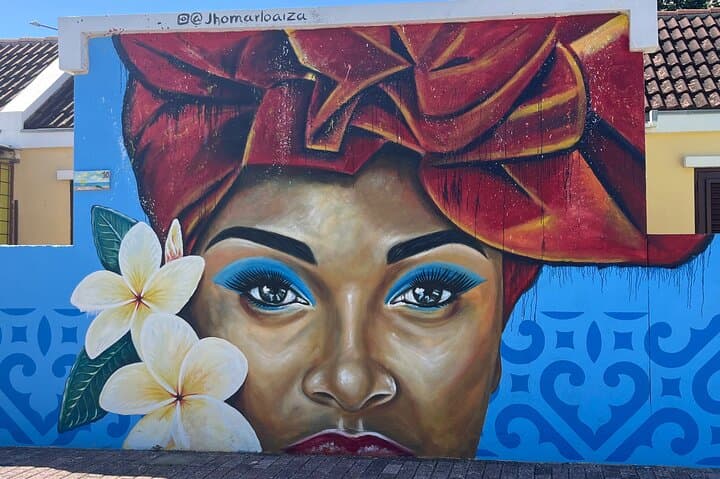
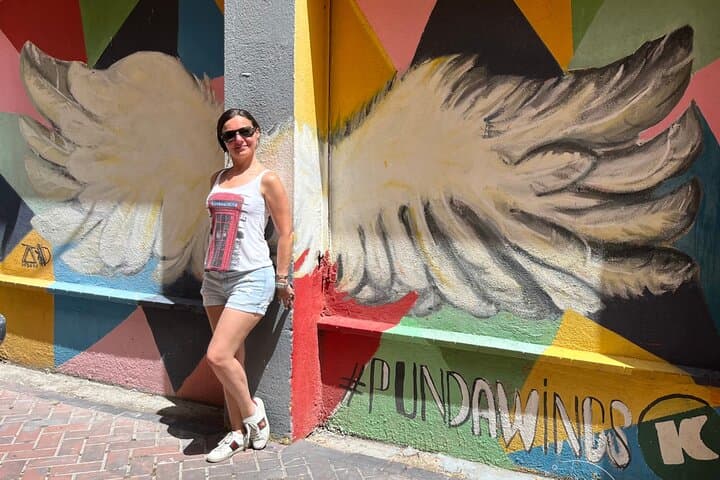
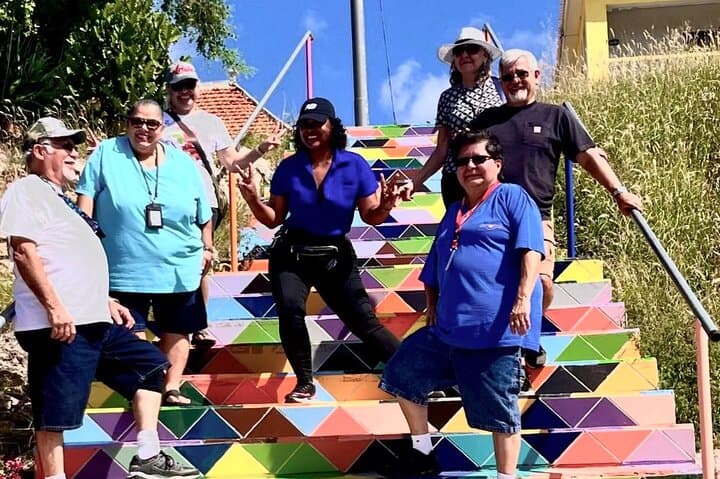
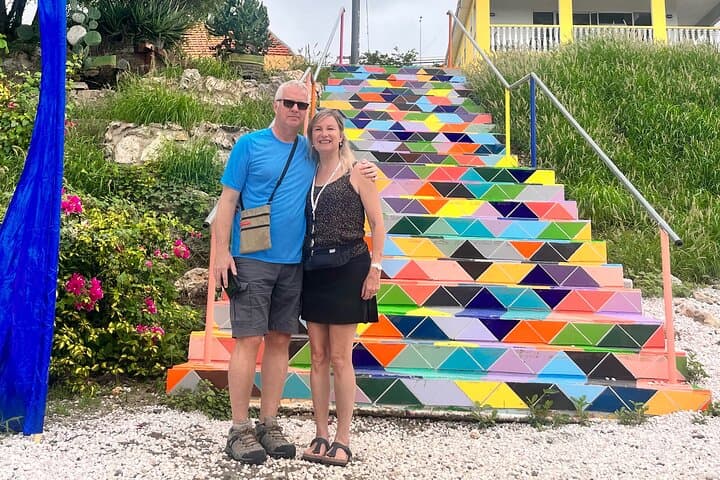
You step off the Rif Fort gate into a harbor the color of old copper, the floating bridge yawning at your feet and the air carrying salt, frying plantain and faint wood smoke. Guides in light-blue shirts lead a steady group through streets where colonial facades flare in coral, ochre and mint; muraled alleys keep stories on their walls.
You step off the Rif Fort gate into a harbor the color of old copper, the floating bridge yawning at your feet and the air carrying salt, frying plantain and faint wood smoke. Guides in light-blue shirts lead a steady group through streets where colonial facades flare in coral, ochre and mint; muraled alleys keep stories on their walls.
This 2.5-hour walk threads history and everyday life. Fort walls around St. Anna Bay once held cannons against pirates; the island itself is uplifted limestone and ancient coral, its buildings sitting on a porous foundation that shaped how neighborhoods grew. You pass Queen Emma Bridge, Gómez Square and the Mikvé Israel Emanuel synagogue — one of the oldest in continuous Western use — while guides drop names like Pedro Luis Brión and explain Curaçao’s Dutch, African and Caribbean mix that formed the island’s Papiamentu-speaking culture.
Expect markets, a flip-side of Willemstad where stallholders sell tropical fruit and the local snack arep’i pampuna (pumpkin pancake), and an optional AnnaBay rum tasting on select departures. The route is mostly flat stone and paved sidewalks totaling roughly 2–3 km at a moderate pace, suitable for most walkers.
Practicalities: meet at Rif Fort by the cannon; tours cap at about 20 people and finish in Punda near Emma Bridge with taxi options for Mambo Beach. Morning departures are cooler and best for photography; bring sun protection, a refillable water bottle, and small change for market purchases. The tour offers a compact, sensory primer to Willemstad — history, flavor and colorful streets that invite a longer stay.