THE ADVENTURE COLLECTIVE® · Independent discovery and booking for outdoor travel

Descend from Kraków into the carved world of the Wieliczka Salt Mine—salt chapels, sculptures, and subterranean lakes revealed on a guided half‑day trip. Practical tips on stairs, clothing, and what to expect underground help you plan the visit.
Descend from Kraków into the carved world of the Wieliczka Salt Mine—salt chapels, sculptures, and subterranean lakes revealed on a guided half‑day trip. Practical tips on stairs, clothing, and what to expect underground help you plan the visit.
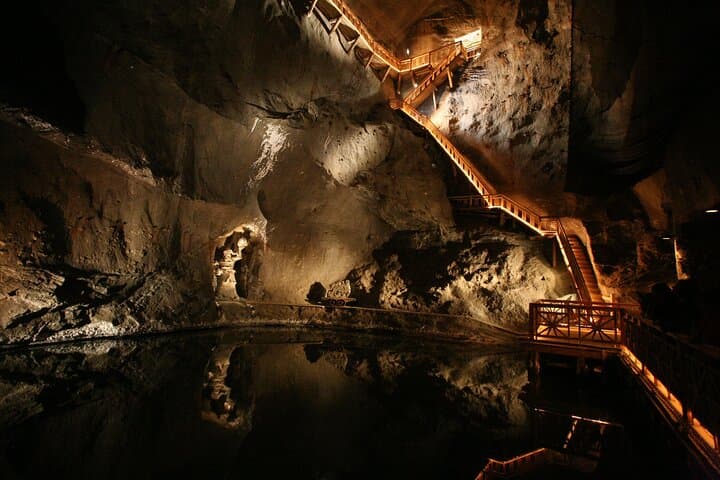
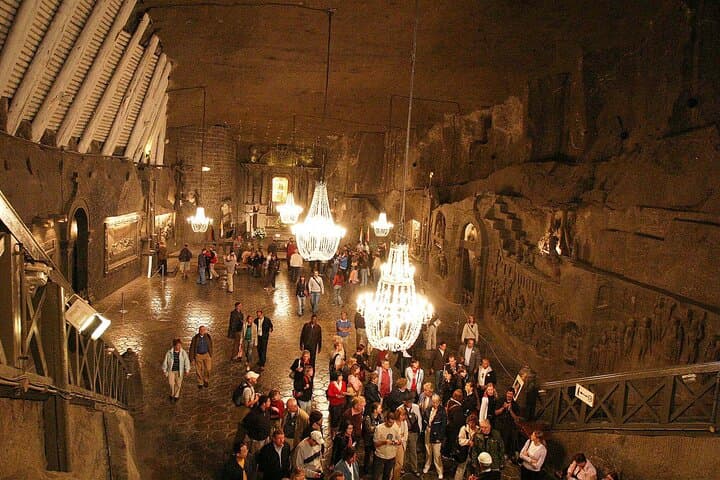
You step off the coach and the air changes—cooler, quieter, a steady hum of footsteps and distant drip. The descent begins: a long switch of stone stairs and the world above narrows until salt walls and chandeliers bloom in reflected light. The guide’s voice threads history into the hollows as you move deeper into galleries carved by hand.
Verified experiences and guided adventures in the surrounding area.
Operated by excursions.city · Wieliczka, Lesser Poland Voivodeship
You step off the coach and the air changes—cooler, quieter, a steady hum of footsteps and distant drip. The descent begins: a long switch of stone stairs and the world above narrows until salt walls and chandeliers bloom in reflected light. The guide’s voice threads history into the hollows as you move deeper into galleries carved by hand.
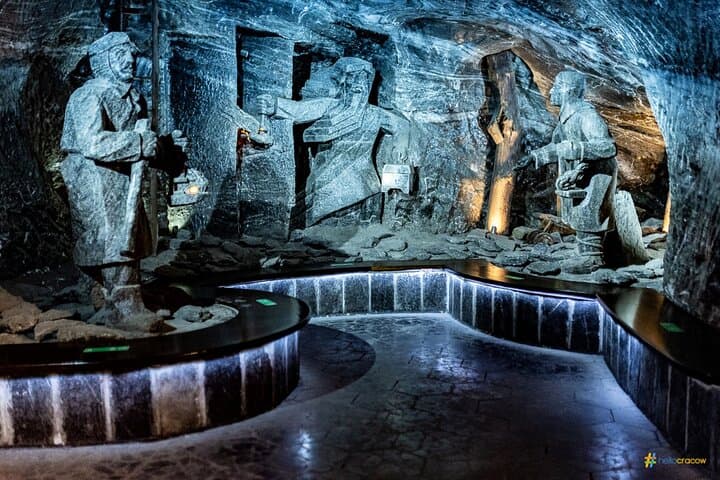
Wieliczka is one of Europe’s oldest working salt mines, with continuous extraction and craft dating back to the 13th century. Geologically, it’s Permian halite—layers compressed and sculpted into chambers, brine lakes, and pillars. Culturally the mine became a local center of faith and folklore; miners created chapels, the most famous being St. Kinga, entirely formed of salt, including altars and chandeliers.
Expect 2.5 hours underground within a roughly 4‑hour round trip from Kraków. The route involves steep sections and about 800 stairs; lighting is controlled, and the microclimate sits around 14–16 °C year‑round. Guides explain mining technology, the symbolism carved into sculptures, and the health claims of the mine’s stable air.
Practicalities: wear comfortable, closed shoes and a warm layer, travel light because bag size limits apply, and bring a camera (no flash near sensitive carvings). If you have mobility, cardiac, or pregnancy concerns, consult health advice before booking—many passages are narrow and stepped. Book a licensed guided slot to access the main chambers and elevator return to the surface. In short: it’s an immersive blend of geology, labor history, and craftsmanship—close to Kraków and easy to add to a half‑day itinerary.
moderate.
4 hours (approx.).
Moderate fitness required — able to negotiate long stair sections and continuous walking for 2–3 hours underground.
About 2.5 hours underground, with a total door‑to‑door duration near 4 hours including transfer from Kraków.
Yes—descent is by stairs at the start, but most tours return to the surface via an elevator at the end.
Many visitors of varied ages take the tour, but the route includes many stairs and narrow passages—consider mobility and stamina before booking.
No—bags are restricted to approximately 35×20×20 cm; larger items should be left at your hotel or in secure vehicle storage.
Wieliczka operated for centuries from the 13th century onward; miners developed distinct carving traditions and built chapels as places of worship and memorial.
The mine is managed to limit visitor impact—stay on marked routes, avoid touching salt art, and follow guide instructions to preserve carvings and microclimates.
excursions.city operates guided outdoor trips and adventures with an emphasis on safety, stewardship, and memorable experiences.

You step off the coach and the air changes—cooler, quieter, a steady hum of footsteps and distant drip. The descent begins: a long switch of stone stairs and the world above narrows until salt walls and chandeliers bloom in reflected light. The guide’s voice threads history into the hollows as you move deeper into galleries carved by hand.
You step off the coach and the air changes—cooler, quieter, a steady hum of footsteps and distant drip. The descent begins: a long switch of stone stairs and the world above narrows until salt walls and chandeliers bloom in reflected light. The guide’s voice threads history into the hollows as you move deeper into galleries carved by hand.
Wieliczka is one of Europe’s oldest working salt mines, with continuous extraction and craft dating back to the 13th century. Geologically, it’s Permian halite—layers compressed and sculpted into chambers, brine lakes, and pillars. Culturally the mine became a local center of faith and folklore; miners created chapels, the most famous being St. Kinga, entirely formed of salt, including altars and chandeliers.
Expect 2.5 hours underground within a roughly 4‑hour round trip from Kraków. The route involves steep sections and about 800 stairs; lighting is controlled, and the microclimate sits around 14–16 °C year‑round. Guides explain mining technology, the symbolism carved into sculptures, and the health claims of the mine’s stable air.
Practicalities: wear comfortable, closed shoes and a warm layer, travel light because bag size limits apply, and bring a camera (no flash near sensitive carvings). If you have mobility, cardiac, or pregnancy concerns, consult health advice before booking—many passages are narrow and stepped. Book a licensed guided slot to access the main chambers and elevator return to the surface. In short: it’s an immersive blend of geology, labor history, and craftsmanship—close to Kraków and easy to add to a half‑day itinerary.