THE ADVENTURE COLLECTIVE® · Independent discovery and booking for outdoor travel

Descend 135 meters into carved salt chambers on a guided tour from Krakow. See the Chapel of St. Kinga, saline lakes and centuries of mining craft while following an accessible, well‑managed route.
Descend 135 meters into carved salt chambers on a guided tour from Krakow. See the Chapel of St. Kinga, saline lakes and centuries of mining craft while following an accessible, well‑managed route.
You step off the air‑conditioned transfer and into a cool, constant-dark world where salt walls catch the light like pale stone. The first 350 steps drop quickly beneath the town, and the passage narrows as the air settles to 14–16°C. Lantern-lit corridors stretch for almost three kilometres; the Chapel of St. Kinga opens like a carved cathedral deep below, its chandeliers and altarpieces sculpted from salt.
Verified experiences and guided adventures in the surrounding area.
Operated by Krakow Travel Time · Wieliczka, Lesser Poland
You step off the air‑conditioned transfer and into a cool, constant-dark world where salt walls catch the light like pale stone. The first 350 steps drop quickly beneath the town, and the passage narrows as the air settles to 14–16°C. Lantern-lit corridors stretch for almost three kilometres; the Chapel of St. Kinga opens like a carved cathedral deep below, its chandeliers and altarpieces sculpted from salt.
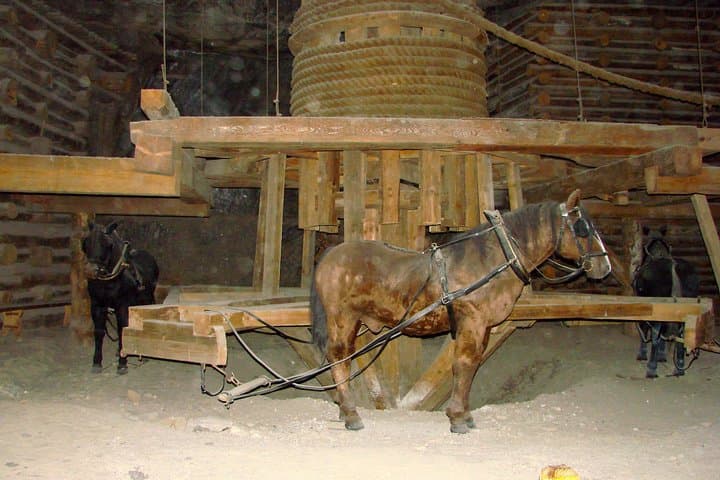
The mine dates to medieval Poland, expanded over centuries as miners cut rock salt by hand. Geologically, the deposit is a Permian evaporite layer—thick beds of halite shaped by miners into rooms, chapels and statues that now record both industrial and devotional history. Culturally, Wieliczka became a pilgrimage and tourist site; UNESCO recognized its value in 1978. Local miners’ folklore and the miners’ traditions still echo in guided narratives that explain tools, ventilation shafts and the social life of subterranean communities.
For visitors: allow 2–3 hours for the guided portion, wear sturdy, flat-soled shoes and a warm midlayer, and be prepared for many stairs. Photography is allowed in most chambers but follow your guide and don’t touch salt carvings—the oils from hands accelerate erosion. Mobility is limited in deeper levels despite some accessible options; those with heart or back conditions should consult a physician before booking. Book a guided slot in advance—daily visitor limits keep chambers intact and tours running smoothly. Descend deliberately, breathe the cool air, and let the mine’s low, worked ceilings and salt-carved reliefs tell a human story older than the town above.
moderate.
2–3 hours.
Moderate fitness required—comfortable standing and stair-climbing ability for long stair sections.
The tour involves around 800 steps in total, with an initial drop of approximately 350 steps to reach 135 meters depth.
Some surface areas and parts of the complex accommodate wheelchairs, but the main tourist route to the deeper chambers requires many stairs; collapsible wheelchairs with assistance may be possible—confirm at booking.
Wear flat, closed-toe shoes and a light jacket or fleece; temperatures underground are 14–16°C year-round.
Photography is generally allowed in most chambers but follow your guide’s instructions and avoid using flash where restricted to protect carvings.
Wieliczka has been mined since the Middle Ages and expanded over centuries; its underground chapels and sculptures reflect both industrial skill and religious devotion, earning UNESCO recognition.
Visitor numbers are managed to protect delicate salt carvings and microclimates—stay on marked paths and avoid touching salt surfaces to reduce erosion.
Krakow Travel Time operates guided outdoor trips and adventures with an emphasis on safety, stewardship, and memorable experiences.
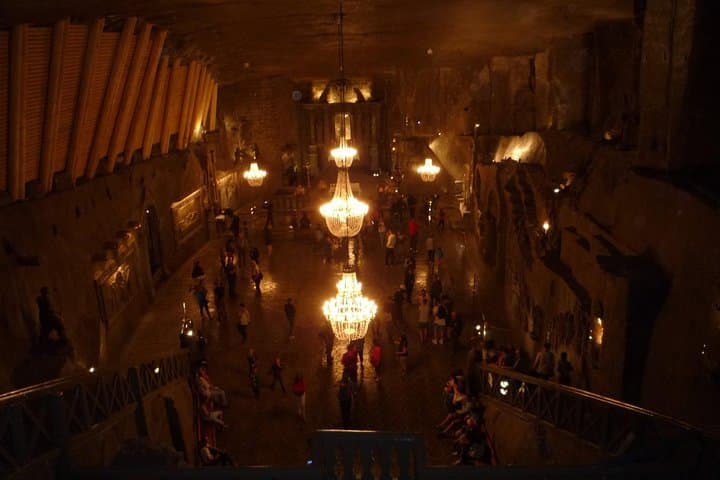
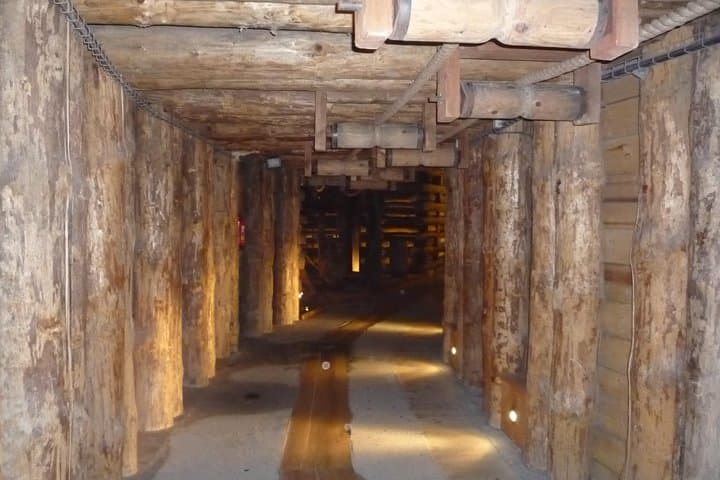
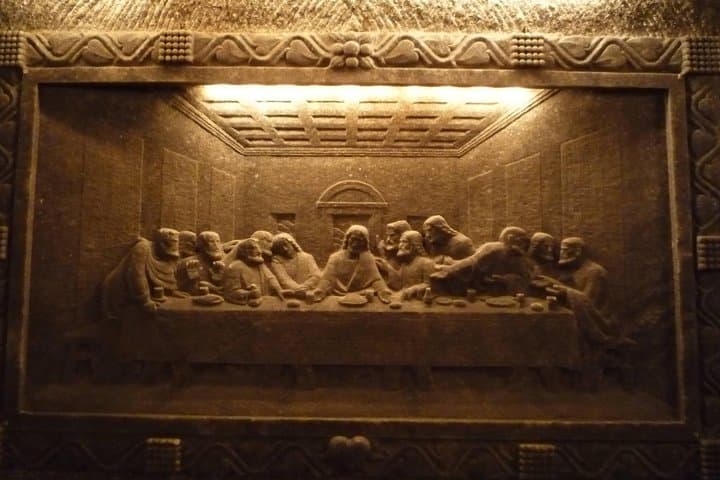
You step off the air‑conditioned transfer and into a cool, constant-dark world where salt walls catch the light like pale stone. The first 350 steps drop quickly beneath the town, and the passage narrows as the air settles to 14–16°C. Lantern-lit corridors stretch for almost three kilometres; the Chapel of St. Kinga opens like a carved cathedral deep below, its chandeliers and altarpieces sculpted from salt.
You step off the air‑conditioned transfer and into a cool, constant-dark world where salt walls catch the light like pale stone. The first 350 steps drop quickly beneath the town, and the passage narrows as the air settles to 14–16°C. Lantern-lit corridors stretch for almost three kilometres; the Chapel of St. Kinga opens like a carved cathedral deep below, its chandeliers and altarpieces sculpted from salt.
The mine dates to medieval Poland, expanded over centuries as miners cut rock salt by hand. Geologically, the deposit is a Permian evaporite layer—thick beds of halite shaped by miners into rooms, chapels and statues that now record both industrial and devotional history. Culturally, Wieliczka became a pilgrimage and tourist site; UNESCO recognized its value in 1978. Local miners’ folklore and the miners’ traditions still echo in guided narratives that explain tools, ventilation shafts and the social life of subterranean communities.
For visitors: allow 2–3 hours for the guided portion, wear sturdy, flat-soled shoes and a warm midlayer, and be prepared for many stairs. Photography is allowed in most chambers but follow your guide and don’t touch salt carvings—the oils from hands accelerate erosion. Mobility is limited in deeper levels despite some accessible options; those with heart or back conditions should consult a physician before booking. Book a guided slot in advance—daily visitor limits keep chambers intact and tours running smoothly. Descend deliberately, breathe the cool air, and let the mine’s low, worked ceilings and salt-carved reliefs tell a human story older than the town above.