THE ADVENTURE COLLECTIVE® · Independent discovery and booking for outdoor travel

Spend a day tracing Ubud’s living history from monkey-filled temples to terraced rice slopes and a rainforest waterfall. This practical guide shows what to expect, how to prepare, and where to find quieter viewpoints.
Spend a day tracing Ubud’s living history from monkey-filled temples to terraced rice slopes and a rainforest waterfall. This practical guide shows what to expect, how to prepare, and where to find quieter viewpoints.
You step out of an air-conditioned car and the heat folds around you; incense threads through the shade as long-tailed macaques chatter above. The Sacred Monkey Forest in Ubud opens like a living courtyard of mossy statues and carved gateways, where monkeys move with confident curiosity and temple guardians keep an ancient rhythm.
Verified experiences and guided adventures in the surrounding area.
Operated by Bali Ama Tours · Ubud, Bali
You step out of an air-conditioned car and the heat folds around you; incense threads through the shade as long-tailed macaques chatter above. The Sacred Monkey Forest in Ubud opens like a living courtyard of mossy statues and carved gateways, where monkeys move with confident curiosity and temple guardians keep an ancient rhythm.
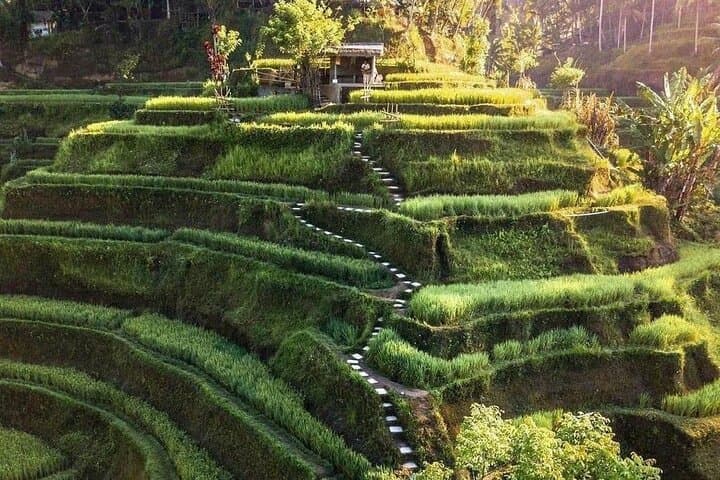
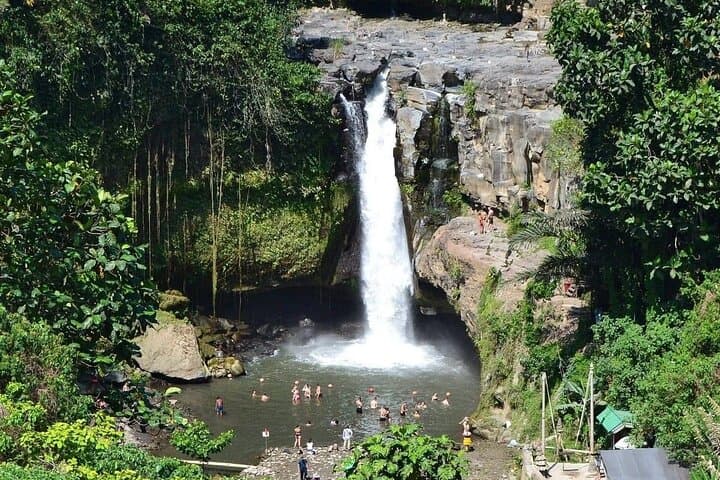
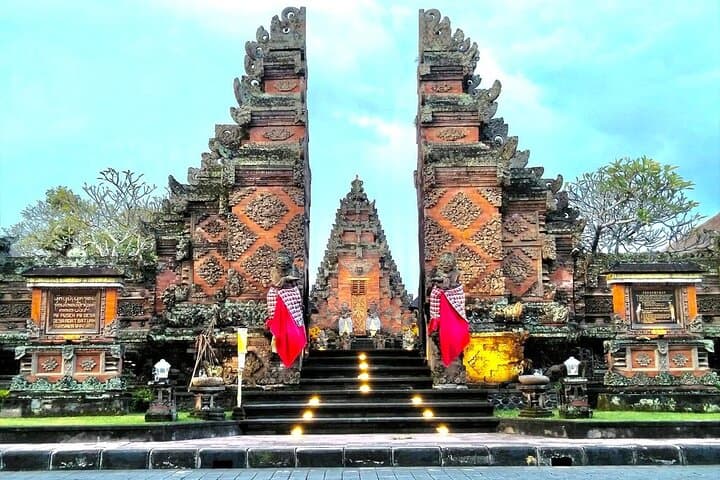
This full-day loop takes in cultural and geological layers: the Monkey Forest’s temple complex, Batuan Temple’s stone reliefs that nod to Bali’s temple-building era, the sculpted terraces of Tegalalang carved into volcanic slopes, and Tegenungan Waterfall where river and rock meet in a sudden, green-draped cascade. The hills here are volcanic in origin; rivers have cut deep channels and local agriculture has shaped terraces for centuries, creating the iconic stepped rice paddies photographers favor.
Culturally, expect offerings, gamelan beats in the background at temple sites on certain days, and vendors selling kopi and snacks. Locals balance tourism with ritual life; be ready to respect temple dress codes and quiet spaces.
Practically: plan for an eight-hour day with short walks, stair descents at the waterfall, and uneven paths at terraces. Wear closed-toe shoes with grip, carry swimwear if you plan to cool off at Tegenungan, and bring cash for small entrance fees and parking. Keep a safe distance from monkeys, secure loose items, and travel with a guide or driver who knows the best times to visit to avoid crowds and midday heat.
easy.
8 hours.
Suitable for most fitness levels; requires short walks, steps and ability to stand on uneven ground for up to an hour at each stop.
This itinerary includes admission for listed sites, but confirm with the operator which specific fees are covered before booking.
Yes—sites are family-friendly, but supervise children around monkeys and at the waterfall; there are stairs and uneven surfaces.
Yes, many visitors swim in the base pool when conditions are calm; lifeguards are not guaranteed so exercise caution.
Wear modest clothing covering shoulders and knees; sarongs are often provided or available for rent at temple entrances.
Batuan Temple and the Monkey Forest temples date back centuries and reflect Bali’s integrated practice of Hindu worship and community ritual, with stone carving traditions visible across sites.
Tourism puts pressure on fragile trails and temple precincts; follow posted rules, avoid feeding wildlife, and use local guides to support community-managed conservation efforts.
Bali Ama Tours operates guided outdoor trips and adventures with an emphasis on safety, stewardship, and memorable experiences.

You step out of an air-conditioned car and the heat folds around you; incense threads through the shade as long-tailed macaques chatter above. The Sacred Monkey Forest in Ubud opens like a living courtyard of mossy statues and carved gateways, where monkeys move with confident curiosity and temple guardians keep an ancient rhythm.
You step out of an air-conditioned car and the heat folds around you; incense threads through the shade as long-tailed macaques chatter above. The Sacred Monkey Forest in Ubud opens like a living courtyard of mossy statues and carved gateways, where monkeys move with confident curiosity and temple guardians keep an ancient rhythm.
This full-day loop takes in cultural and geological layers: the Monkey Forest’s temple complex, Batuan Temple’s stone reliefs that nod to Bali’s temple-building era, the sculpted terraces of Tegalalang carved into volcanic slopes, and Tegenungan Waterfall where river and rock meet in a sudden, green-draped cascade. The hills here are volcanic in origin; rivers have cut deep channels and local agriculture has shaped terraces for centuries, creating the iconic stepped rice paddies photographers favor.
Culturally, expect offerings, gamelan beats in the background at temple sites on certain days, and vendors selling kopi and snacks. Locals balance tourism with ritual life; be ready to respect temple dress codes and quiet spaces.
Practically: plan for an eight-hour day with short walks, stair descents at the waterfall, and uneven paths at terraces. Wear closed-toe shoes with grip, carry swimwear if you plan to cool off at Tegenungan, and bring cash for small entrance fees and parking. Keep a safe distance from monkeys, secure loose items, and travel with a guide or driver who knows the best times to visit to avoid crowds and midday heat.