THE ADVENTURE COLLECTIVE® · Independent discovery and booking for outdoor travel

Walk descending falaj channels through fruit terraces, meet villagers tending grapes and pomegranates, and soak in a natural hot spring on this private day tour from Muscat. Expect easy village paths, optional short hikes, and insight into traditional irrigation and mountain agriculture.
Walk descending falaj channels through fruit terraces, meet villagers tending grapes and pomegranates, and soak in a natural hot spring on this private day tour from Muscat. Expect easy village paths, optional short hikes, and insight into traditional irrigation and mountain agriculture.
You step out of the vehicle onto sun-warmed flagstones; a narrow path slips down through terraces lined with grapevines and pomegranate trees. The air smells faintly of earth and citrus, and a falaj—the ancient irrigation channel—threads past, daring you to follow its cool ripple toward the villages below.
Verified experiences and guided adventures in the surrounding area.
Operated by WikiTours Adventures · Muscat, Muscat Governorate
You step out of the vehicle onto sun-warmed flagstones; a narrow path slips down through terraces lined with grapevines and pomegranate trees. The air smells faintly of earth and citrus, and a falaj—the ancient irrigation channel—threads past, daring you to follow its cool ripple toward the villages below.
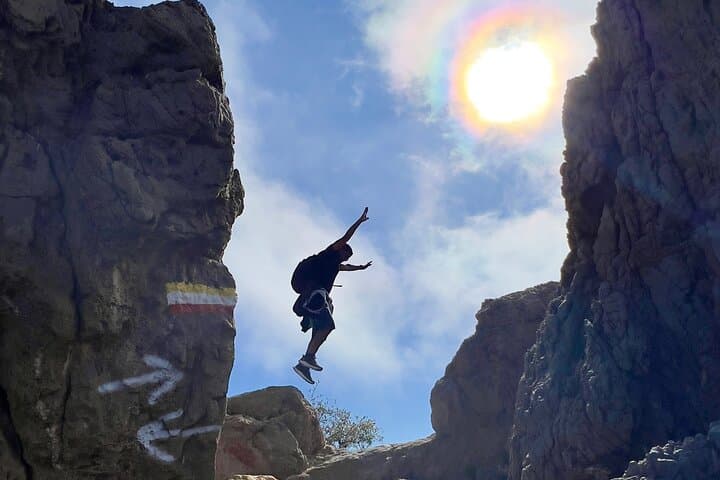
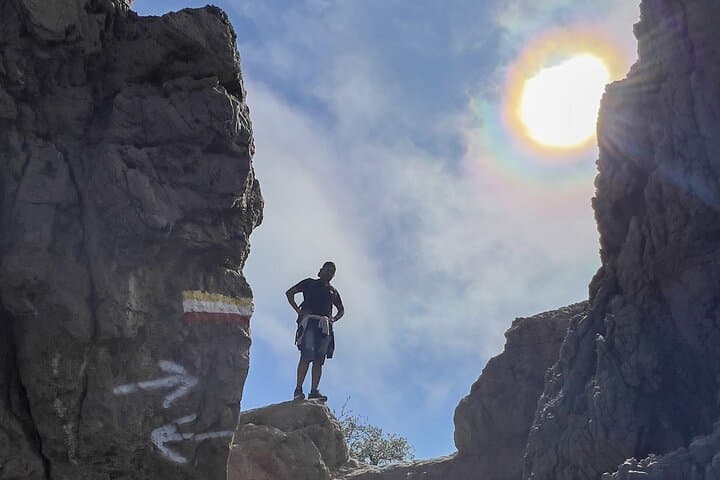
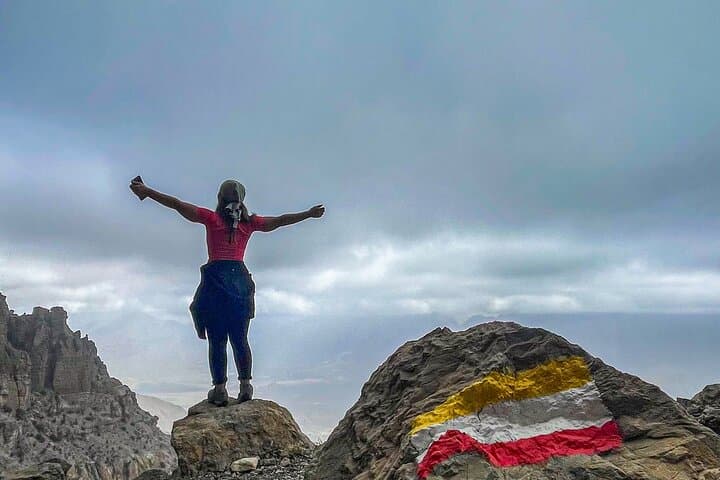
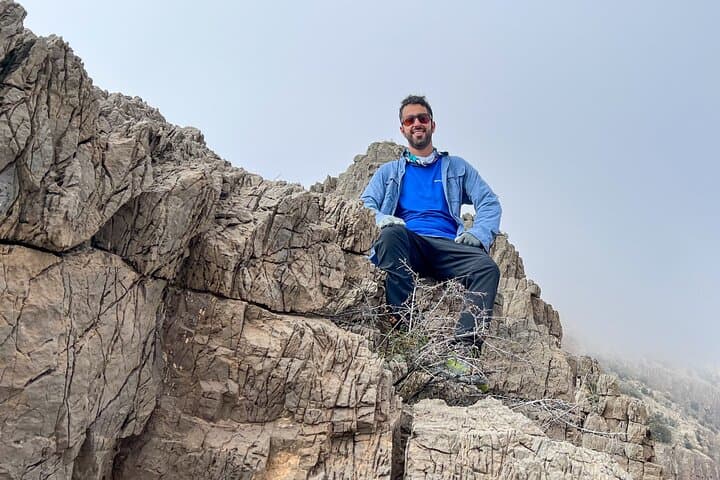
Wakan sits on the lower slopes of Oman’s Hajar foothills, where centuries-old terrace agriculture still shapes the land. Stone walls hold apricot and fig trees; the falaj system, a UNESCO-recognized Omani heritage technique, distributes mountain water across fields. Geologically, the region is folded limestone and ophiolite outcrops—you’ll notice steep ridgelines and gullied ravines carved by seasonal run-off.
Locals in Wakan maintain small-scale orchards and empty terraces used for grazing; conversations can turn quickly to irrigation schedules and date harvests. A short walk descends along the falaj, and an optional side visit leads to naturally heated pools where hot springs rise from fissures in the rock—comfortable for a soak after exploring.
Practically, this is a full-day private outing from Muscat (roughly 1.5–2 hours’ drive each way depending on traffic). Expect easy walking on uneven village tracks with an optional short hike on steeper trails. Bring sun protection, sturdy shoes, a refillable water bottle, and modest clothing for village visits. Timing a morning start gives cooler conditions and better light on the terraces; late afternoon returns can be golden but warmer. The guide handles transport and local logistics—your role is to listen, look, and leave no trace.
easy.
6–7 hours.
Casual fitness; able to walk on uneven village paths and climb short stone steps.
Drive time is typically 1.5–2 hours each way depending on traffic and the specific pickup point in Muscat.
Yes—physical demands are light; paths are uneven but pace is gentle and the tour is listed as suitable for all fitness levels.
Yes—there’s an optional hot spring stop where bathing is possible; bring a towel and swimwear and follow local guidance on modesty.
Private transportation is included but confirm whether refreshments or a meal are provided when booking; bringing snacks is recommended.
The area’s falaj irrigation system reflects centuries of Omani water management; terraces have supported fruit trees for generations.
Water is scarce—respect falaj channels and avoid littering; support local guides who practice low-impact tourism.
WikiTours Adventures operates guided outdoor trips and adventures with an emphasis on safety, stewardship, and memorable experiences.
You step out of the vehicle onto sun-warmed flagstones; a narrow path slips down through terraces lined with grapevines and pomegranate trees. The air smells faintly of earth and citrus, and a falaj—the ancient irrigation channel—threads past, daring you to follow its cool ripple toward the villages below.
You step out of the vehicle onto sun-warmed flagstones; a narrow path slips down through terraces lined with grapevines and pomegranate trees. The air smells faintly of earth and citrus, and a falaj—the ancient irrigation channel—threads past, daring you to follow its cool ripple toward the villages below.
Wakan sits on the lower slopes of Oman’s Hajar foothills, where centuries-old terrace agriculture still shapes the land. Stone walls hold apricot and fig trees; the falaj system, a UNESCO-recognized Omani heritage technique, distributes mountain water across fields. Geologically, the region is folded limestone and ophiolite outcrops—you’ll notice steep ridgelines and gullied ravines carved by seasonal run-off.
Locals in Wakan maintain small-scale orchards and empty terraces used for grazing; conversations can turn quickly to irrigation schedules and date harvests. A short walk descends along the falaj, and an optional side visit leads to naturally heated pools where hot springs rise from fissures in the rock—comfortable for a soak after exploring.
Practically, this is a full-day private outing from Muscat (roughly 1.5–2 hours’ drive each way depending on traffic). Expect easy walking on uneven village tracks with an optional short hike on steeper trails. Bring sun protection, sturdy shoes, a refillable water bottle, and modest clothing for village visits. Timing a morning start gives cooler conditions and better light on the terraces; late afternoon returns can be golden but warmer. The guide handles transport and local logistics—your role is to listen, look, and leave no trace.