THE ADVENTURE COLLECTIVE® · Independent discovery and booking for outdoor travel

Spend a day between colonial Valladolid and two striking cenotes—Suytun’s single beam of light and the lake-like Zací—on a private tour that blends geology, Maya history, and local food. Expect ladders, clear water, and a moderate day of walking and swimming.
Spend a day between colonial Valladolid and two striking cenotes—Suytun’s single beam of light and the lake-like Zací—on a private tour that blends geology, Maya history, and local food. Expect ladders, clear water, and a moderate day of walking and swimming.
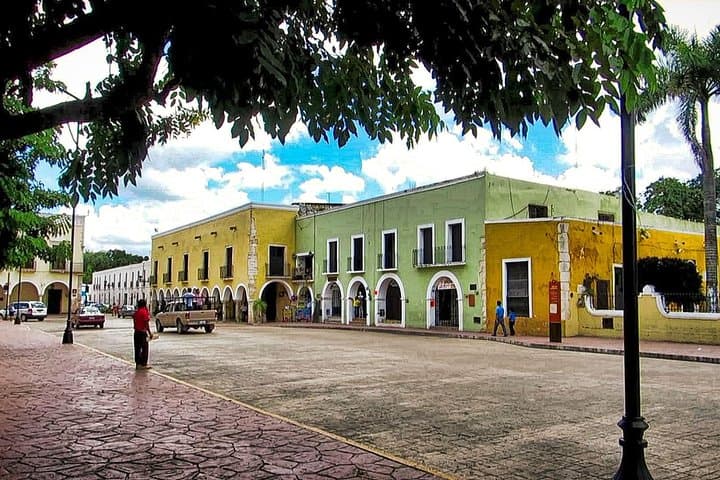
You arrive before the heat settles, the Spanish-era streets of Valladolid still cool and shaded by flat-roofed houses and tamarind trees. The guide steers the air-conditioned vehicle out of town and the limestone plain opens to sinkholes—cenotes—where green water gathers in caverns and light slices a single shaft into the pool below.
Verified experiences and guided adventures in the surrounding area.
Operated by Trip To Mexico · Valladolid, Yucatán
You arrive before the heat settles, the Spanish-era streets of Valladolid still cool and shaded by flat-roofed houses and tamarind trees. The guide steers the air-conditioned vehicle out of town and the limestone plain opens to sinkholes—cenotes—where green water gathers in caverns and light slices a single shaft into the pool below.
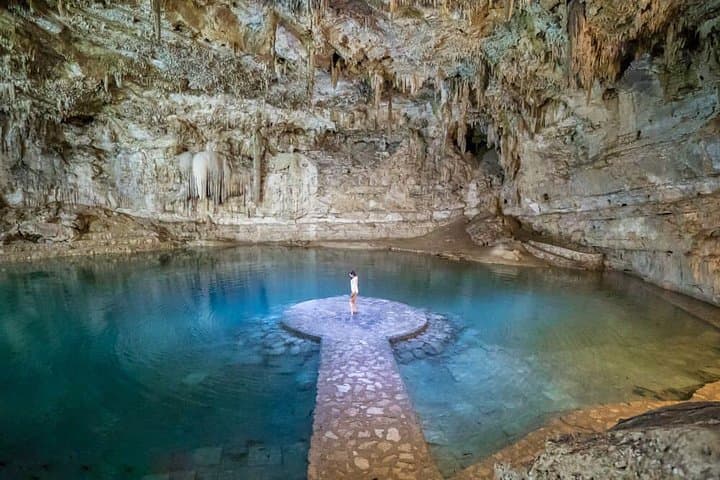
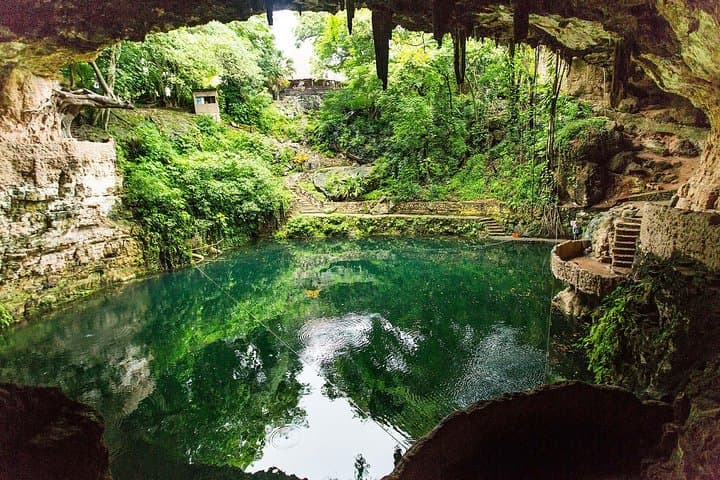
Geology here is blunt and simple: Yucatán is a porous limestone platform where rainwater carved an underground network. Cenote Suytun is a cave cenote famous for a single column of light; Cenote Zací is a semi-open, lake-like cenote inside Valladolid’s bounds. Both illustrate how groundwater and collapsed roofs create dramatic places the Maya considered doorways to the underworld and sources of life.
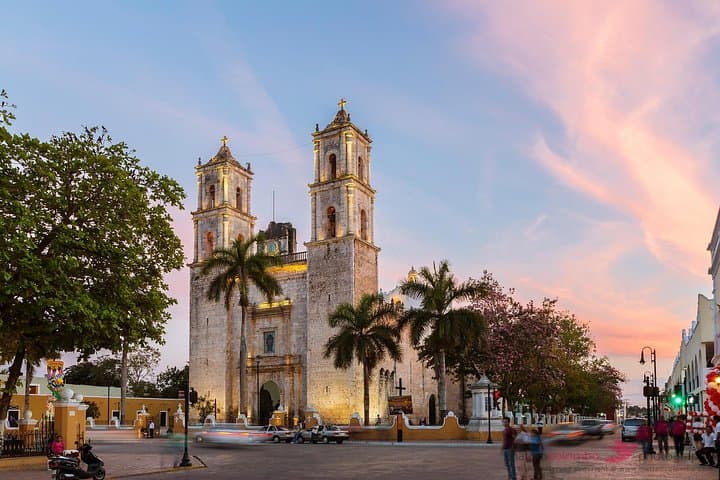
Valladolid itself carries colonial brickwork, the Convent of San Bernardino, and a living Maya presence evident in language, dress, and food—try cochinita pibil at a market stall. The tour moves from photographic silence at Suytun to a communal swim at Zací, then a walking stretch through town to sample local flavors and architecture.
Practical notes: plan for stairs and ladders at cenotes, cash for small entrance fees or snacks, and a moderate fitness level for short climbs and walking. Use biodegradable sunscreen and rinse at provided stations. Expect 9 hours round-trip for a private tour that mixes swimming, light hiking, and cultural stops—an accessible but full day that pairs natural spectacle with living history.
moderate.
8–9 hours.
Moderate—able to climb stairs/short ladders, swim a short distance, and walk on uneven surfaces.
Yes—both cenotes permit swimming; Suytun may have ladders and limited shallow areas, while Zací is lake-like. Follow the guide’s instructions and avoid diving into unfamiliar spots.
Comfortable walking shoes, sun protection, and small change for markets and eateries; many attractions in Valladolid are walkable from the central plaza.
Most cenotes offer basic changing areas and lockers for a small fee, but facilities vary—bring a quick-dry towel and secure valuables in your vehicle if possible.
Generally yes for those with moderate mobility; infants may need infant seats in the vehicle and some cenotes require climbing steps, so check accessibility with the operator.
Valladolid was an early colonial city built atop Maya settlements; cenotes across the Yucatán were sacred freshwater sources for the Maya and feature in many archaeological narratives.
Cenote operators encourage biodegradable products and limited visitor numbers; support community-run entrances and follow posted rules to protect delicate cave formations and water quality.
Trip To Mexico operates guided outdoor trips and adventures with an emphasis on safety, stewardship, and memorable experiences.
You arrive before the heat settles, the Spanish-era streets of Valladolid still cool and shaded by flat-roofed houses and tamarind trees. The guide steers the air-conditioned vehicle out of town and the limestone plain opens to sinkholes—cenotes—where green water gathers in caverns and light slices a single shaft into the pool below.
You arrive before the heat settles, the Spanish-era streets of Valladolid still cool and shaded by flat-roofed houses and tamarind trees. The guide steers the air-conditioned vehicle out of town and the limestone plain opens to sinkholes—cenotes—where green water gathers in caverns and light slices a single shaft into the pool below.
Geology here is blunt and simple: Yucatán is a porous limestone platform where rainwater carved an underground network. Cenote Suytun is a cave cenote famous for a single column of light; Cenote Zací is a semi-open, lake-like cenote inside Valladolid’s bounds. Both illustrate how groundwater and collapsed roofs create dramatic places the Maya considered doorways to the underworld and sources of life.
Valladolid itself carries colonial brickwork, the Convent of San Bernardino, and a living Maya presence evident in language, dress, and food—try cochinita pibil at a market stall. The tour moves from photographic silence at Suytun to a communal swim at Zací, then a walking stretch through town to sample local flavors and architecture.
Practical notes: plan for stairs and ladders at cenotes, cash for small entrance fees or snacks, and a moderate fitness level for short climbs and walking. Use biodegradable sunscreen and rinse at provided stations. Expect 9 hours round-trip for a private tour that mixes swimming, light hiking, and cultural stops—an accessible but full day that pairs natural spectacle with living history.