THE ADVENTURE COLLECTIVE® · Independent discovery and booking for outdoor travel

Cross the high blue of Lake Titicaca to visit reed-built Uros, climb Amantani’s ceremonial terraces at sunset, and learn Taquile’s famed textile traditions. This two-day tour blends boat travel, moderate hikes, family homestays and local cuisine at 3,800+m altitude.
Cross the high blue of Lake Titicaca to visit reed-built Uros, climb Amantani’s ceremonial terraces at sunset, and learn Taquile’s famed textile traditions. This two-day tour blends boat travel, moderate hikes, family homestays and local cuisine at 3,800+m altitude.
A cold wind off Lake Titicaca meets the boat first—fine spray and a low blue horizon broken by reed islands and stone staircases.
Verified experiences and guided adventures in the surrounding area.
Operated by Real travel Peru · Puno, Puno
A cold wind off Lake Titicaca meets the boat first—fine spray and a low blue horizon broken by reed islands and stone staircases.
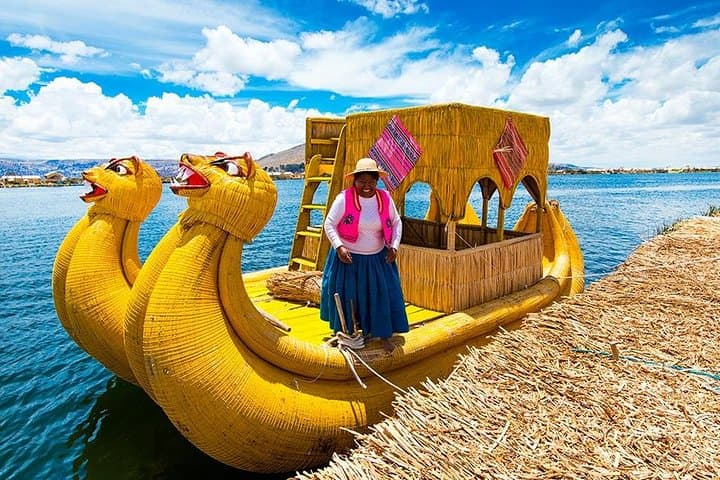
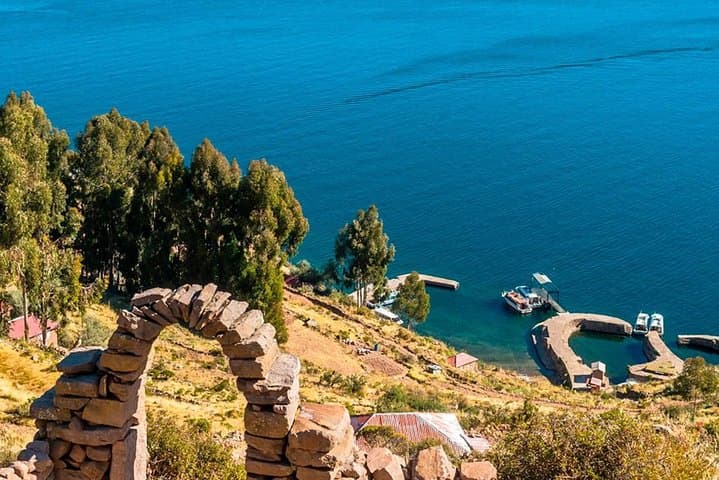
On day one the water guides the itinerary: a short boat ride to the reed-built Uros, then longer crossings to Amantani where families host visitors in simple lodgings. The islands sit on the Altiplano at roughly 3,812 m (12,500 ft), so the air is thin and the light is sharp. Amantani’s slopes rise from the lake; climbing the stone steps to its ceremonial platforms takes 40–60 minutes and rewards visitors with a clear, wide view of the lake and distant cordillera.
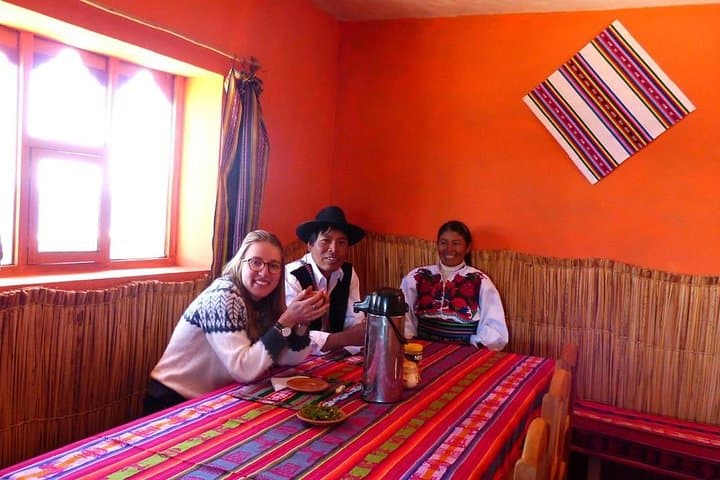
These islands are cultural landscapes as much as geological ones. The Uros constructed floating islets from totora reeds centuries ago to escape conflict and control trade routes; Taquile is known for its cooperative textile tradition, where complex hats and belts encode social customs. Local families provide meals—quinoa, trout, soups—and a chance to join evening music or dance in traditional attire.
Practicalities: expect boat transfers of 30–90 minutes between stops, basic family lodging, and uneven stone paths. Bring layers for night chill, sturdy shoes for rocky ascents, sun protection for intense high-altitude sun, and water to avoid altitude dehydration. Plan at least two full days to absorb travel time and cultural encounters; respect local customs when photographing people and textiles.
This is a travel experience that mixes water crossings, moderate climbs, and immersive cultural exchange—practical, quiet, and memorable.
moderate.
2 days.
Suitable for travelers with basic fitness; expect 40–60 minute climbs on uneven stone steps and several hours of standing and walking.
Lake Titicaca sits around 3,812 m (12,500 ft); many visitors feel mild altitude symptoms—rest, hydrate, avoid alcohol and heavy exertion the first day.
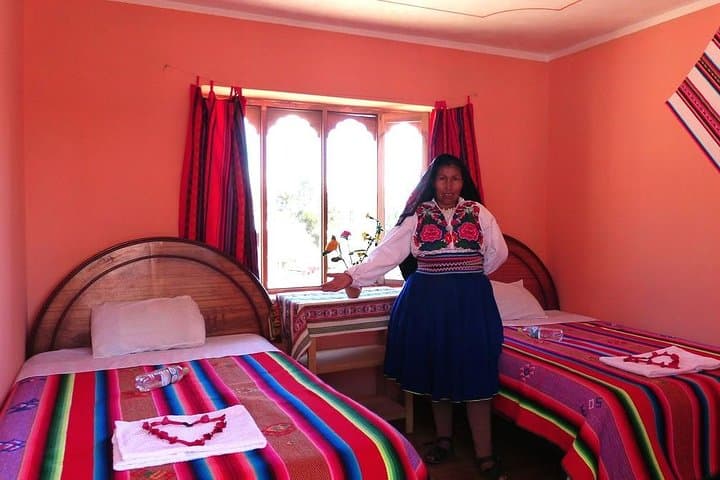
Lodging is family-run and basic: private or shared rooms with blankets and simple facilities; bring a warm layer for nights.
The tour includes boat transfers and steep stone steps; it's generally okay for children but not recommended for those with significant mobility or spinal problems.
Many small vendors and family hosts prefer cash (Peruvian soles); carry small bills for raft rides, souvenirs, and tips.
The Uros reed islands predate the Inca period as floating settlements used for security and resource control; Taquile’s weaving traditions are community-run and recognized by UNESCO.
The islands face pressure from tourism and reed harvesting—respect local rules, avoid single-use plastics, and follow guides’ instructions to minimize impact.
Real travel Peru operates guided outdoor trips and adventures with an emphasis on safety, stewardship, and memorable experiences.
A cold wind off Lake Titicaca meets the boat first—fine spray and a low blue horizon broken by reed islands and stone staircases.
A cold wind off Lake Titicaca meets the boat first—fine spray and a low blue horizon broken by reed islands and stone staircases.
On day one the water guides the itinerary: a short boat ride to the reed-built Uros, then longer crossings to Amantani where families host visitors in simple lodgings. The islands sit on the Altiplano at roughly 3,812 m (12,500 ft), so the air is thin and the light is sharp. Amantani’s slopes rise from the lake; climbing the stone steps to its ceremonial platforms takes 40–60 minutes and rewards visitors with a clear, wide view of the lake and distant cordillera.
These islands are cultural landscapes as much as geological ones. The Uros constructed floating islets from totora reeds centuries ago to escape conflict and control trade routes; Taquile is known for its cooperative textile tradition, where complex hats and belts encode social customs. Local families provide meals—quinoa, trout, soups—and a chance to join evening music or dance in traditional attire.
Practicalities: expect boat transfers of 30–90 minutes between stops, basic family lodging, and uneven stone paths. Bring layers for night chill, sturdy shoes for rocky ascents, sun protection for intense high-altitude sun, and water to avoid altitude dehydration. Plan at least two full days to absorb travel time and cultural encounters; respect local customs when photographing people and textiles.
This is a travel experience that mixes water crossings, moderate climbs, and immersive cultural exchange—practical, quiet, and memorable.