THE ADVENTURE COLLECTIVE® · Independent discovery and booking for outdoor travel

Walk a narrow river of stone where light becomes the main attraction. This guided visit to Upper Antelope Canyon combines geology, Navajo history, and intense photographic opportunities—prepare for stairs, strict rules, and unforgettable light.
Walk a narrow river of stone where light becomes the main attraction. This guided visit to Upper Antelope Canyon combines geology, Navajo history, and intense photographic opportunities—prepare for stairs, strict rules, and unforgettable light.
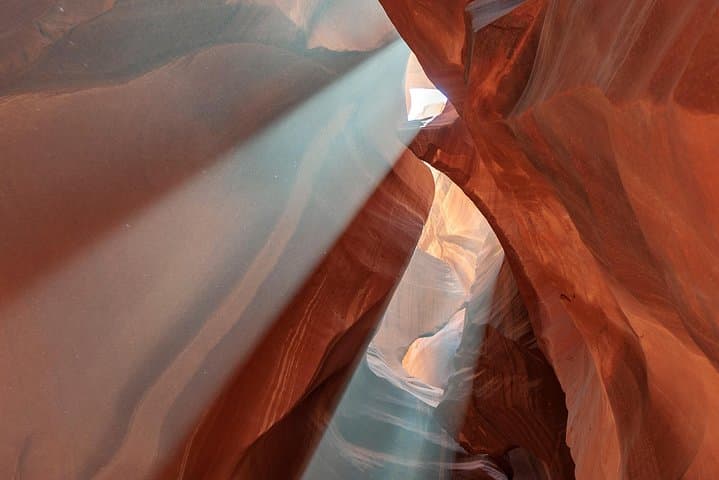
You step from the truck onto a desert plain and the canyon seems to inhale you—narrow walls fold inward, light slices through a high slot, and the sandstone glows from honey to deep rust. The guide points out the route; dust motes dare the sunbeams that form here between April and September.
Verified experiences and guided adventures in the surrounding area.
Operated by TakeYourTrip · Page, Arizona
You step from the truck onto a desert plain and the canyon seems to inhale you—narrow walls fold inward, light slices through a high slot, and the sandstone glows from honey to deep rust. The guide points out the route; dust motes dare the sunbeams that form here between April and September.
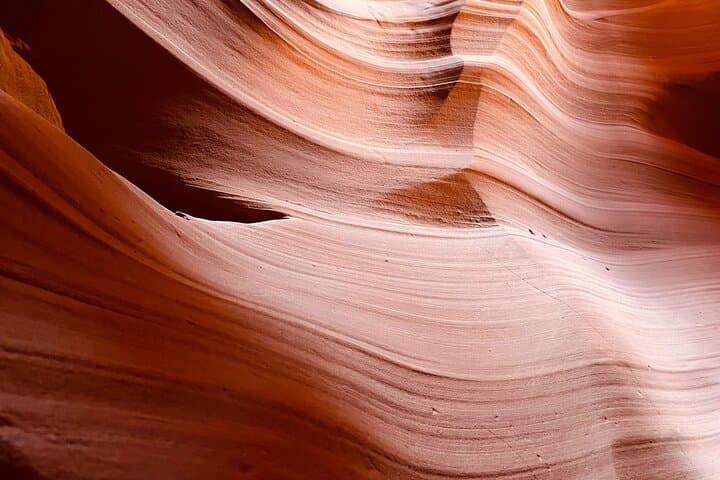
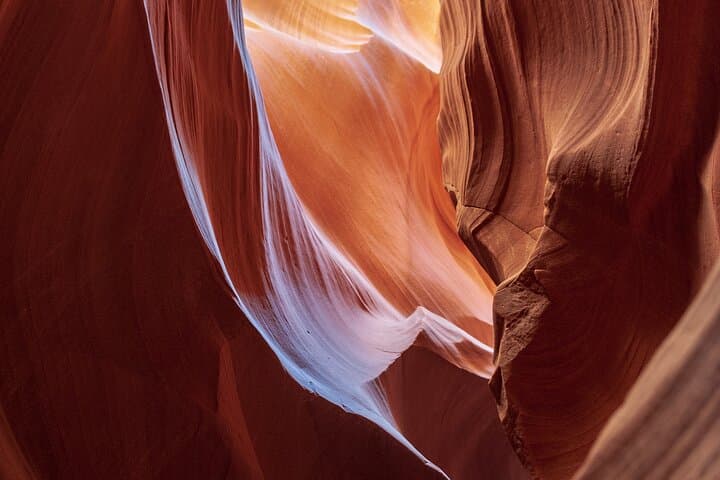
The canyon is a carved record of time. Flash floods over millennia have gouged the Navajo sandstone into sinuous corridors; geologists point to layers deposited in ancient lakes and wind-blown dunes. Locally known as Tsé bighánílíní—"the place where water runs through rocks"—the canyon sits on Navajo Nation land and visits are managed by Navajo guides who weave cultural history into the geology lesson.
Expect a focused, sensory experience: the walk covers roughly 0.8 miles including uneven footing and about 150 stairs, so knees and balance matter. Photography is a major draw—bring a compact kit and practice exposure control for shaded walls and bright shafts. Note strict rules: no bags, tripods, drones, or professional rigs, and check-in is required 45–60 minutes before your slot.
Practical tips: wear sturdy closed-toe shoes, bring water and sun protection for the shuttle and waiting areas, and set your watch to Arizona time to avoid confusion. Tours are short but intense—plan transportation and timing carefully; late arrivals are not refunded. Pair this visit with nearby viewpoints like Horseshoe Bend, and treat the canyon with care: soft sandstone erodes easily, so follow your guide and leave no trace.
moderate.
1–1.5 hours.
Should be comfortable walking on uneven terrain, negotiating stairs and short steep sections; not suitable for those requiring mobility assistance.
No—bags, tripods, selfie-sticks, GoPros on sticks and professional rigs are prohibited inside Upper Antelope Canyon; follow operator rules to avoid being turned away.
Light beams are most pronounced mid-day from about April through September; timing and weather affect visibility so they cannot be guaranteed.
No—the canyon requires hiking over uneven surfaces and descending about 150 stairs; it is not suitable for wheelchairs or those unable to navigate stairs.
Follow Arizona (Phoenix) time on your phone; Page sits near state lines and cell towers can show different time zones that cause confusion.
Upper Antelope Canyon lies within Navajo Nation; the canyon’s Navajo name is Tsé bighánílíní, reflecting its origin in seasonal water flow and its cultural significance.
The slot canyon's sandstone is fragile and visitor numbers are managed by permits and guided groups—follow stay-on-path rules and avoid touching walls to reduce erosion.
TakeYourTrip operates guided outdoor trips and adventures with an emphasis on safety, stewardship, and memorable experiences.
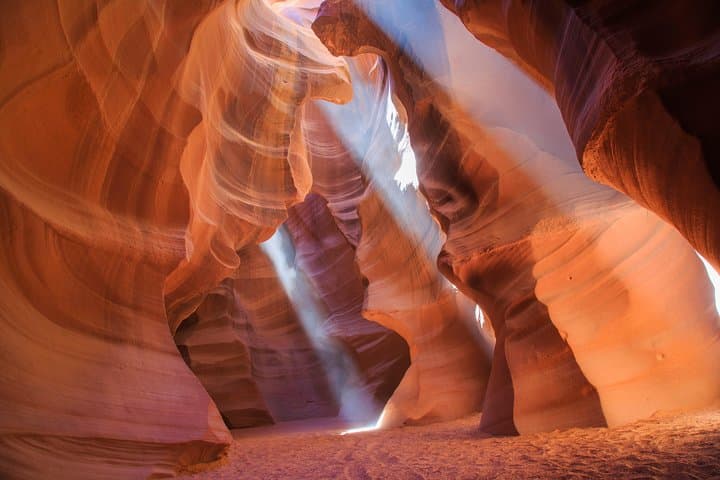
You step from the truck onto a desert plain and the canyon seems to inhale you—narrow walls fold inward, light slices through a high slot, and the sandstone glows from honey to deep rust. The guide points out the route; dust motes dare the sunbeams that form here between April and September.
You step from the truck onto a desert plain and the canyon seems to inhale you—narrow walls fold inward, light slices through a high slot, and the sandstone glows from honey to deep rust. The guide points out the route; dust motes dare the sunbeams that form here between April and September.
The canyon is a carved record of time. Flash floods over millennia have gouged the Navajo sandstone into sinuous corridors; geologists point to layers deposited in ancient lakes and wind-blown dunes. Locally known as Tsé bighánílíní—"the place where water runs through rocks"—the canyon sits on Navajo Nation land and visits are managed by Navajo guides who weave cultural history into the geology lesson.
Expect a focused, sensory experience: the walk covers roughly 0.8 miles including uneven footing and about 150 stairs, so knees and balance matter. Photography is a major draw—bring a compact kit and practice exposure control for shaded walls and bright shafts. Note strict rules: no bags, tripods, drones, or professional rigs, and check-in is required 45–60 minutes before your slot.
Practical tips: wear sturdy closed-toe shoes, bring water and sun protection for the shuttle and waiting areas, and set your watch to Arizona time to avoid confusion. Tours are short but intense—plan transportation and timing carefully; late arrivals are not refunded. Pair this visit with nearby viewpoints like Horseshoe Bend, and treat the canyon with care: soft sandstone erodes easily, so follow your guide and leave no trace.