THE ADVENTURE COLLECTIVE® · Independent discovery and booking for outdoor travel

Spend a concentrated day in Ulaanbaatar visiting Gandantegchinlen Monastery, Bogd Khaan Palace, a cashmere workshop, and the National History Museum. This guided private tour includes lunch, transfers, and an evening traditional performance.
Spend a concentrated day in Ulaanbaatar visiting Gandantegchinlen Monastery, Bogd Khaan Palace, a cashmere workshop, and the National History Museum. This guided private tour includes lunch, transfers, and an evening traditional performance.
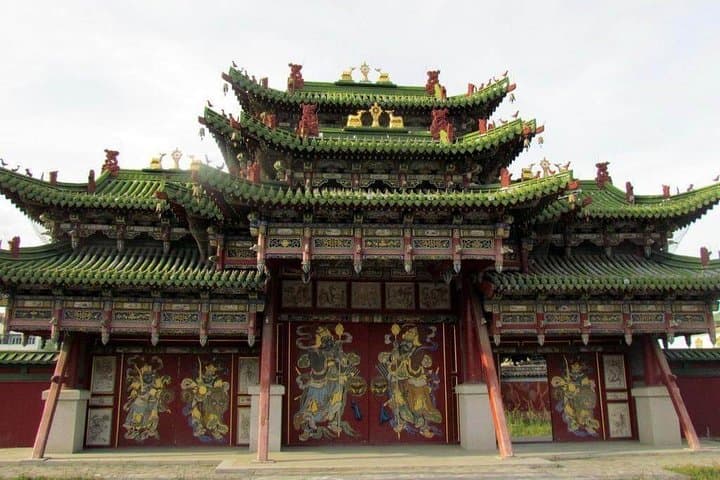
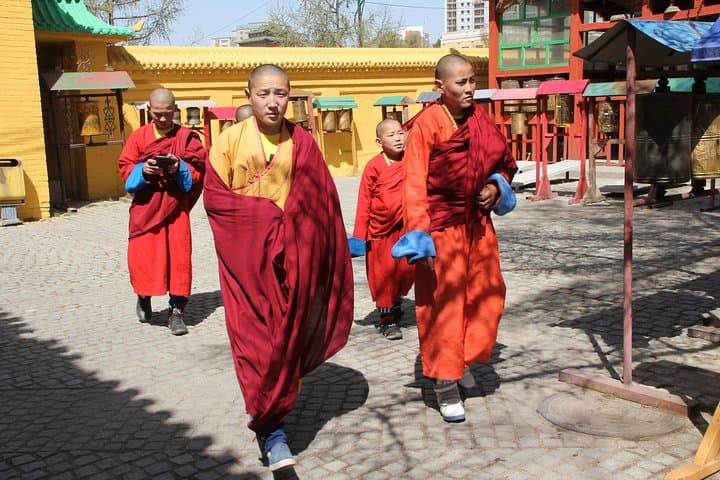
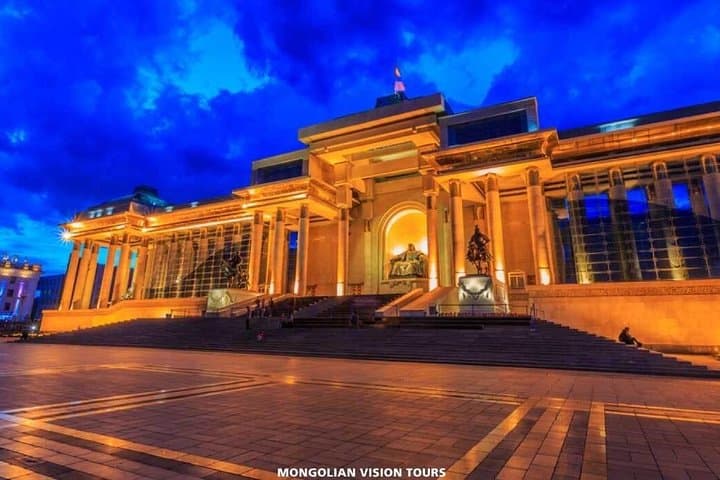
You step onto Chinggis Khaan Square and the city exhales: wide avenues, clattering traffic, and a wind that carries city smoke and steppe air alike. This one-day circuit threads through Ulaanbaatar’s contrasts—monastic chanting at Gandantegchinlen, Soviet-era façades, and the quieter courtyards of Bogd Khaan Palace—each place moving at its own tempo.
Verified experiences and guided adventures in the surrounding area.
Operated by Mongolian Vision Tours · Ulaanbaatar, Ulaanbaatar
You step onto Chinggis Khaan Square and the city exhales: wide avenues, clattering traffic, and a wind that carries city smoke and steppe air alike. This one-day circuit threads through Ulaanbaatar’s contrasts—monastic chanting at Gandantegchinlen, Soviet-era façades, and the quieter courtyards of Bogd Khaan Palace—each place moving at its own tempo.
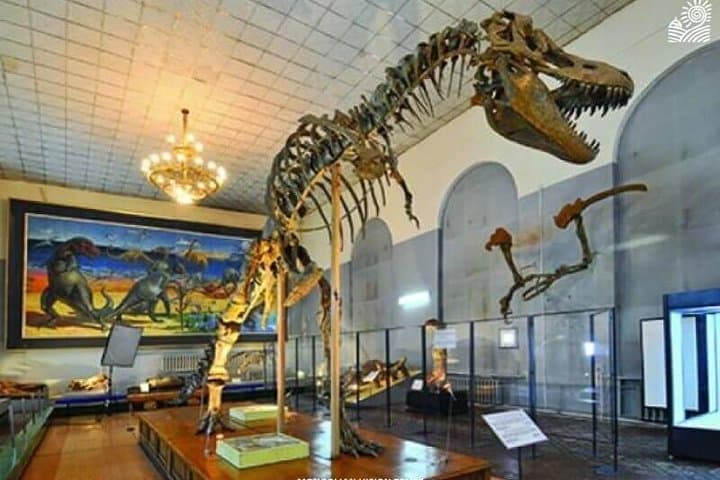
Founded as a 17th-century religious center, Ulaanbaatar grew into Mongolia’s political heart and now concentrates almost half the country’s population. The tour visits core cultural sites: the active monastery where lamas gather to pray; a cashmere factory demonstrating a craft central to local livelihoods; the palace museum showing royal and religious life; and the National History Museum, whose exhibits trace Mongolia from prehistory through the Soviet period. Evenings often end with a Tumen Ekh performance—throat singing, contortion, and dance that speak directly to nomadic traditions.
Practical guidance: the itinerary runs roughly six hours with lunch and museum entrance fees included; transfers and a private guide are provided. Wear sturdy walking shoes and dress in layers—the city’s temperature can swing quickly, especially outside summer. Bring local currency for small purchases at markets and tip in cash for guide and drivers if service is good. Cameras are welcome, but respect temple rules and the monks’ space during services.
This is a compact, culture-forward day that balances explanation and exploration—ideal for travelers who want concentrated context without sacrificing time to wander on their own afterward.
easy.
6 hours.
Suitable for all fitness levels; expect moderate walking on paved streets and steps in museums
Yes—this tour includes a sit-down lunch as part of the itinerary.
Museum entrance fees are listed as included in the tour inclusions.
Some city streets and older museum areas have limited accessibility; contact the operator ahead to confirm accommodations.
This is a private tour—ask at booking about modifying stops or extending time; changes may affect price.
Ulaanbaatar began in the 17th century as a mobile monastery town before becoming a fixed capital and later absorbing strong Soviet-era urban planning influences reflected in its broad avenues and public buildings.
Rapid urban growth pressures air quality and green spaces; choose local guides who practice low-impact tourism and support conservation-minded cultural institutions.
Mongolian Vision Tours operates guided outdoor trips and adventures with an emphasis on safety, stewardship, and memorable experiences.
You step onto Chinggis Khaan Square and the city exhales: wide avenues, clattering traffic, and a wind that carries city smoke and steppe air alike. This one-day circuit threads through Ulaanbaatar’s contrasts—monastic chanting at Gandantegchinlen, Soviet-era façades, and the quieter courtyards of Bogd Khaan Palace—each place moving at its own tempo.
You step onto Chinggis Khaan Square and the city exhales: wide avenues, clattering traffic, and a wind that carries city smoke and steppe air alike. This one-day circuit threads through Ulaanbaatar’s contrasts—monastic chanting at Gandantegchinlen, Soviet-era façades, and the quieter courtyards of Bogd Khaan Palace—each place moving at its own tempo.
Founded as a 17th-century religious center, Ulaanbaatar grew into Mongolia’s political heart and now concentrates almost half the country’s population. The tour visits core cultural sites: the active monastery where lamas gather to pray; a cashmere factory demonstrating a craft central to local livelihoods; the palace museum showing royal and religious life; and the National History Museum, whose exhibits trace Mongolia from prehistory through the Soviet period. Evenings often end with a Tumen Ekh performance—throat singing, contortion, and dance that speak directly to nomadic traditions.
Practical guidance: the itinerary runs roughly six hours with lunch and museum entrance fees included; transfers and a private guide are provided. Wear sturdy walking shoes and dress in layers—the city’s temperature can swing quickly, especially outside summer. Bring local currency for small purchases at markets and tip in cash for guide and drivers if service is good. Cameras are welcome, but respect temple rules and the monks’ space during services.
This is a compact, culture-forward day that balances explanation and exploration—ideal for travelers who want concentrated context without sacrificing time to wander on their own afterward.