THE ADVENTURE COLLECTIVE® · Independent discovery and booking for outdoor travel

Walk shaded paths among ancient temples and inquisitive macaques at Ubud’s Sacred Monkey Forest. This guided, all-inclusive visit combines close wildlife viewing with cultural insight and convenient hotel transfer.
Walk shaded paths among ancient temples and inquisitive macaques at Ubud’s Sacred Monkey Forest. This guided, all-inclusive visit combines close wildlife viewing with cultural insight and convenient hotel transfer.
Stepping through the gate of Ubud Monkey Forest feels like stepping into a city-within-the-jungle: dappled light, stone shrines half-swallowed by moss, and long-tailed macaques moving like local residents through the undergrowth. The guide leads you along shaded paths where the trees seem to lean in, offering cool shelter and the occasional chattering that punctuates the air.
Verified experiences and guided adventures in the surrounding area.
Operated by Seminyak Tour Driver Bali · Ubud, Bali
Stepping through the gate of Ubud Monkey Forest feels like stepping into a city-within-the-jungle: dappled light, stone shrines half-swallowed by moss, and long-tailed macaques moving like local residents through the undergrowth. The guide leads you along shaded paths where the trees seem to lean in, offering cool shelter and the occasional chattering that punctuates the air.
The Sacred Monkey Forest (Padangtegal) is both a living ecosystem and a cultural site—centuries-old temples and carved reliefs sit amid volcanic soils and remnant rainforest species. Geologically, Bali’s uplifted limestone and volcanic bedrock shape the terraces and pools that collect rain and sustain the grove; culturally, the site remains important to local Balinese Hindu practice, with ritual offerings still placed at shrines inside the sanctuary.
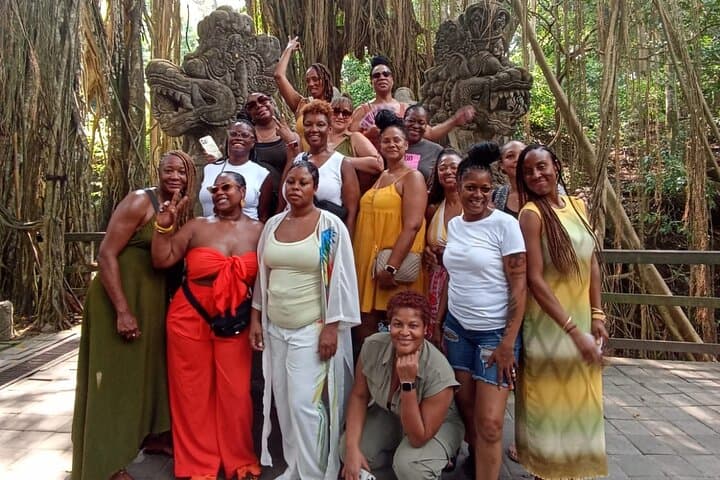
Visitors get close views of macaque social behavior, and may notice monitor lizards sunning on temple steps. The included guide doubles as a photographer, helping capture moments while explaining temple history and rules of engagement with wildlife. Refreshments, water, and hotel round-trip transfer simplify logistics; the skip-the-line access makes for a swift arrival even in high season.
Practical tips: wear closed-toe shoes for uneven stone paths, secure loose items from curious monkeys, and budget 60–120 minutes for a measured visit. Respect temple areas and photography restrictions, and plan morning or late afternoon slots to avoid the midday heat. This is an accessible, family-friendly encounter that pairs natural observation with living cultural heritage.
easy.
1–2 hours.
Suitable for most fitness levels; requires short walks on uneven but well-marked paths
No—feeding or touching monkeys is discouraged and often prohibited; it alters behavior and can increase the risk of bites or scratches.
Yes—many paths and areas are wheelchair accessible, and transport options in the tour include wheelchair-accessible vehicles.
Plan 60–120 minutes; a guided walk with photos and time at the temples fits comfortably into a one- to two-hour window.
The site is family-friendly, but children should be supervised closely around monkeys and reminded not to provoke or feed them.
The sanctuary doubles as a functioning Balinese Hindu temple complex and was established to protect the island’s remaining forest fragments and spiritual sites around Padangtegal village.
Management emphasizes coexistence—rules prohibit feeding and encourage minimal disturbance; revenue from entrance fees supports habitat maintenance and cultural preservation.
Seminyak Tour Driver Bali operates guided outdoor trips and adventures with an emphasis on safety, stewardship, and memorable experiences.
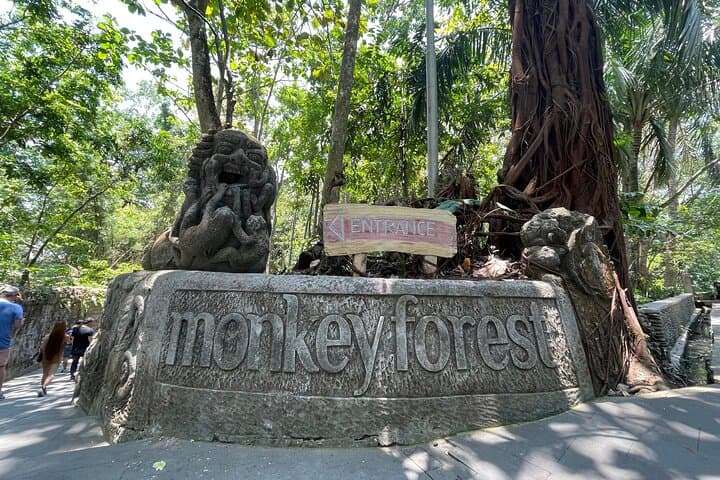
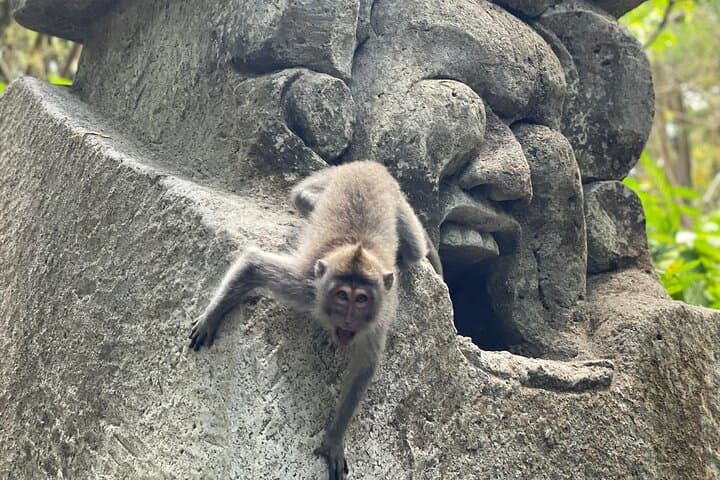
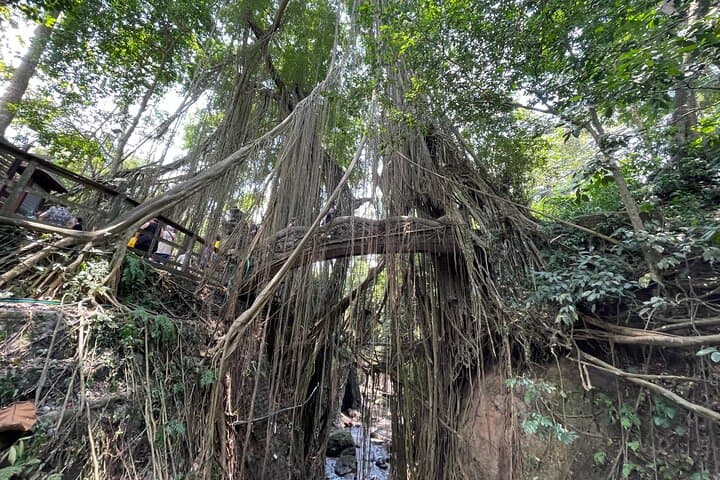
Stepping through the gate of Ubud Monkey Forest feels like stepping into a city-within-the-jungle: dappled light, stone shrines half-swallowed by moss, and long-tailed macaques moving like local residents through the undergrowth. The guide leads you along shaded paths where the trees seem to lean in, offering cool shelter and the occasional chattering that punctuates the air.
Stepping through the gate of Ubud Monkey Forest feels like stepping into a city-within-the-jungle: dappled light, stone shrines half-swallowed by moss, and long-tailed macaques moving like local residents through the undergrowth. The guide leads you along shaded paths where the trees seem to lean in, offering cool shelter and the occasional chattering that punctuates the air.
The Sacred Monkey Forest (Padangtegal) is both a living ecosystem and a cultural site—centuries-old temples and carved reliefs sit amid volcanic soils and remnant rainforest species. Geologically, Bali’s uplifted limestone and volcanic bedrock shape the terraces and pools that collect rain and sustain the grove; culturally, the site remains important to local Balinese Hindu practice, with ritual offerings still placed at shrines inside the sanctuary.
Visitors get close views of macaque social behavior, and may notice monitor lizards sunning on temple steps. The included guide doubles as a photographer, helping capture moments while explaining temple history and rules of engagement with wildlife. Refreshments, water, and hotel round-trip transfer simplify logistics; the skip-the-line access makes for a swift arrival even in high season.
Practical tips: wear closed-toe shoes for uneven stone paths, secure loose items from curious monkeys, and budget 60–120 minutes for a measured visit. Respect temple areas and photography restrictions, and plan morning or late afternoon slots to avoid the midday heat. This is an accessible, family-friendly encounter that pairs natural observation with living cultural heritage.