THE ADVENTURE COLLECTIVE® · Independent discovery and booking for outdoor travel

Customize a private half- or full-day tour through Ubud’s waterfalls, temples, art villages and markets. Perfect for travelers who want a flexible itinerary with local context, photography stops, and optional entrance tickets.
Customize a private half- or full-day tour through Ubud’s waterfalls, temples, art villages and markets. Perfect for travelers who want a flexible itinerary with local context, photography stops, and optional entrance tickets.
You step out of an air-conditioned car and the jungle exhales — humid, green, and insistently loud. Your guide folds a map into stories: a morning at Kanto Lampo chasing light through ferns, a quiet hour at Gunung Kawi Sebatu where water gardens keep time with prayers, and a final wind-down amid the clamor of Ubud Art Market. This is Ubud on your clock: temple visits, rice-terrace viewpoints, a jungle swing for the photo you’ll tinker with later, and the option to weave in offbeat villages.
Verified experiences and guided adventures in the surrounding area.
Operated by Travel Story Bali · Ubud, Bali
You step out of an air-conditioned car and the jungle exhales — humid, green, and insistently loud. Your guide folds a map into stories: a morning at Kanto Lampo chasing light through ferns, a quiet hour at Gunung Kawi Sebatu where water gardens keep time with prayers, and a final wind-down amid the clamor of Ubud Art Market. This is Ubud on your clock: temple visits, rice-terrace viewpoints, a jungle swing for the photo you’ll tinker with later, and the option to weave in offbeat villages.
Ubud’s cultural core grew around the royal courts of the 18th and 19th centuries; artists and priests established communities that still shape performances, crafts, and temple architecture today. Geologically the island is the flanks of volcanoes — volcanic soil feeds the stepped rice terraces and gives the rains a quick, verdant response. Balinese Hinduism, with its procession of offerings and temple rites, is present at every stop; your guide will explain when to remove shoes, how to wear a sash, and why certain courtyards are off-limits to tourists.
Practical choices define the day: half-day (roughly 5 hours) or full-day (extendable into 6 hours with longer drives to more remote waterfalls). Distances in central Bali are short in kilometers but slow in traffic — expect 15–45 minute drives between highlights when starting from central Ubud, longer from Seminyak or Nusa Dua. The tour is private and fully customizable: pick culture and crafts, or make it a shopping day through Celuk’s silversmiths and the Ubud market’s stalls.
Photo ops arrive early and late; waterfalls and rice terraces are at their most cooperative before midday light flattens textures. Some sites — Uma Pakel’s jungle swing, certain temples, and waterfalls — require modest on-site fees or dress rentals paid in cash. The operator offers options with or without entrance tickets included; choose the ticketed package if you prefer one less exchange of rupiah on the road.
This tour suits travelers with moderate fitness: expect short stair descents, uneven paths at waterfall pools, and a few steps in temple complexes. Wear sturdy sandals or light hiking shoes, bring sun protection, and pack a quick-dry top that can be rinsed at a waterfall. Guides are English-speaking and often double as cultural interpreters — a private guide here is less a taxi driver and more a doorway into local life.
If you want to avoid crowds, schedule the tour for early morning; if you’re chasing market energy, mid-morning to early afternoon is best. Above all, build flexibility into the day: the whole point of a private, customized tour is that Ubud follows your pace, and the island rewards curiosity.
moderate.
5–6 hours.
Moderate — you should be comfortable walking short uneven trails, descending stairs, and standing for photo stops.
Ticket inclusion is optional — choose the package with tickets if you want fewer cash transactions on the day; otherwise you can pay on-site for attractions like Uma Pakel swing or certain temples.
Pickup is available from Ubud, Seminyak, Canggu, and Nusa Dua; if you’re outside these zones provide your hotel address and the operator will advise pickup arrangements.
Yes — infants can use strollers for much of the day but may need to be carried at waterfalls and temple steps; small children should be supervised around water.
Yes — the tour is private and flexible; guides can adapt the schedule based on traffic, energy levels, and your interests within the booked duration.
Snacks and bottled water are included; full meals are not standard but can be arranged on request for a full-day option, often at a local café or warung.
Wear modest clothing covering knees and shoulders; sarongs and sashes are often provided at temple entrances if needed, and guides will advise on appropriate behavior.
Ubud became an artist and spiritual center in the late 19th century, shaped by royal patronage and the emergence of painting schools that attracted international attention.
Rice terraces and river valleys are sensitive to erosion and tourism pressure; stick to marked paths, avoid single-use plastics, and respect local offerings and shrine areas.
Travel Story Bali operates guided outdoor trips and adventures with an emphasis on safety, stewardship, and memorable experiences.
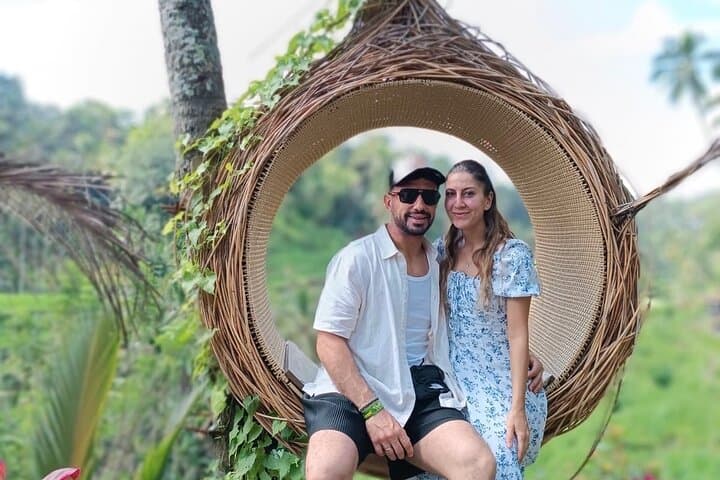
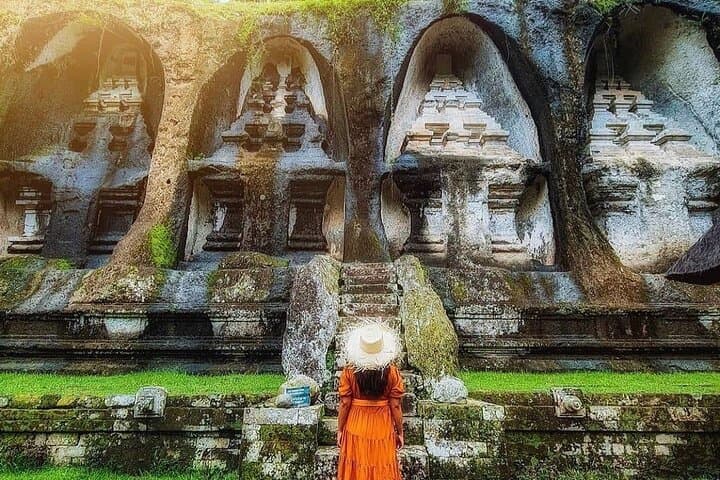
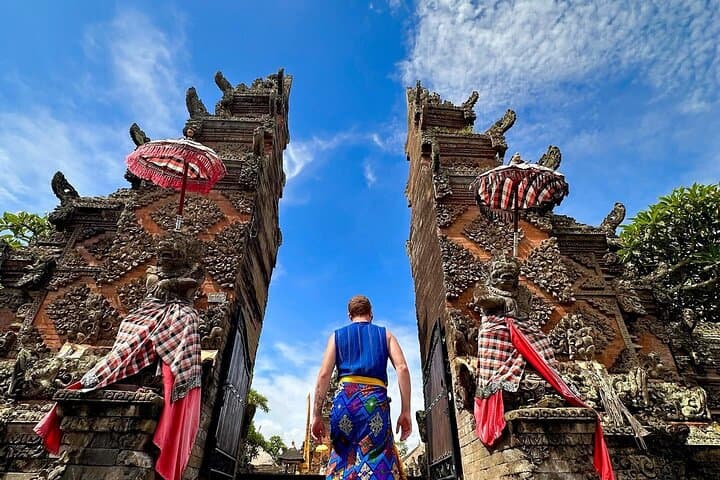
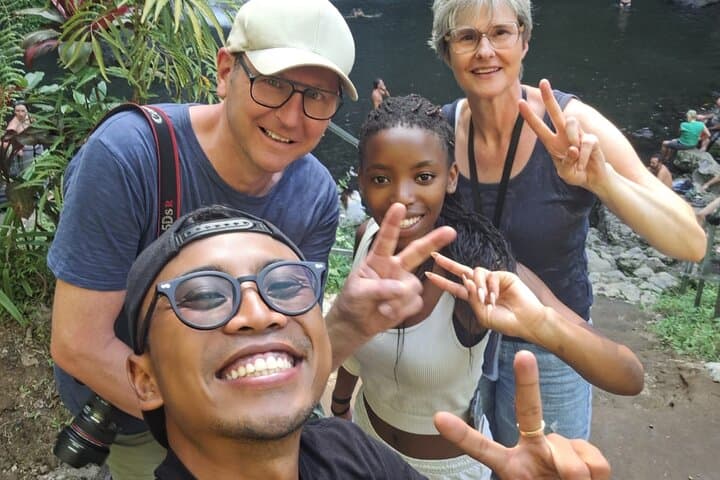
You step out of an air-conditioned car and the jungle exhales — humid, green, and insistently loud. Your guide folds a map into stories: a morning at Kanto Lampo chasing light through ferns, a quiet hour at Gunung Kawi Sebatu where water gardens keep time with prayers, and a final wind-down amid the clamor of Ubud Art Market. This is Ubud on your clock: temple visits, rice-terrace viewpoints, a jungle swing for the photo you’ll tinker with later, and the option to weave in offbeat villages.
You step out of an air-conditioned car and the jungle exhales — humid, green, and insistently loud. Your guide folds a map into stories: a morning at Kanto Lampo chasing light through ferns, a quiet hour at Gunung Kawi Sebatu where water gardens keep time with prayers, and a final wind-down amid the clamor of Ubud Art Market. This is Ubud on your clock: temple visits, rice-terrace viewpoints, a jungle swing for the photo you’ll tinker with later, and the option to weave in offbeat villages.
Ubud’s cultural core grew around the royal courts of the 18th and 19th centuries; artists and priests established communities that still shape performances, crafts, and temple architecture today. Geologically the island is the flanks of volcanoes — volcanic soil feeds the stepped rice terraces and gives the rains a quick, verdant response. Balinese Hinduism, with its procession of offerings and temple rites, is present at every stop; your guide will explain when to remove shoes, how to wear a sash, and why certain courtyards are off-limits to tourists.
Practical choices define the day: half-day (roughly 5 hours) or full-day (extendable into 6 hours with longer drives to more remote waterfalls). Distances in central Bali are short in kilometers but slow in traffic — expect 15–45 minute drives between highlights when starting from central Ubud, longer from Seminyak or Nusa Dua. The tour is private and fully customizable: pick culture and crafts, or make it a shopping day through Celuk’s silversmiths and the Ubud market’s stalls.
Photo ops arrive early and late; waterfalls and rice terraces are at their most cooperative before midday light flattens textures. Some sites — Uma Pakel’s jungle swing, certain temples, and waterfalls — require modest on-site fees or dress rentals paid in cash. The operator offers options with or without entrance tickets included; choose the ticketed package if you prefer one less exchange of rupiah on the road.
This tour suits travelers with moderate fitness: expect short stair descents, uneven paths at waterfall pools, and a few steps in temple complexes. Wear sturdy sandals or light hiking shoes, bring sun protection, and pack a quick-dry top that can be rinsed at a waterfall. Guides are English-speaking and often double as cultural interpreters — a private guide here is less a taxi driver and more a doorway into local life.
If you want to avoid crowds, schedule the tour for early morning; if you’re chasing market energy, mid-morning to early afternoon is best. Above all, build flexibility into the day: the whole point of a private, customized tour is that Ubud follows your pace, and the island rewards curiosity.