THE ADVENTURE COLLECTIVE® · Independent discovery and booking for outdoor travel

Set along the Mira and Salmon Rivers, Two Rivers Wildlife Park pairs easy riverwalks with close-up animal viewing across 500+ acres. This guide outlines what to expect—terrain, wildlife, and practical tips for a family-friendly half-day visit.
Set along the Mira and Salmon Rivers, Two Rivers Wildlife Park pairs easy riverwalks with close-up animal viewing across 500+ acres. This guide outlines what to expect—terrain, wildlife, and practical tips for a family-friendly half-day visit.
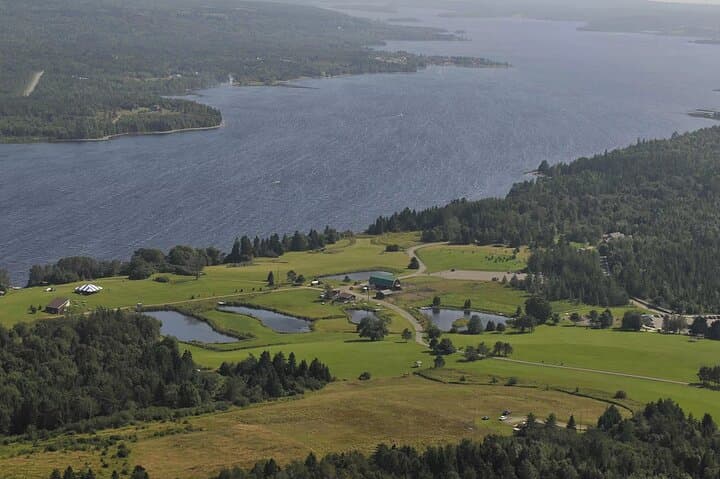
A low, wind-bent stand of birch frames the Mira River as you arrive at Two Rivers Wildlife Park; water threads through the property and seems to tug the trail along, coaxing visitors toward quiet clearings and animal enclosures. The park’s 500-plus acres spread across river terraces where grassy meadows meet mixed forest, and paths open to river views that change with the light.
Verified experiences and guided adventures in the surrounding area.
Operated by Silver Star Limousine & Tours · Sydney, Nova Scotia
A low, wind-bent stand of birch frames the Mira River as you arrive at Two Rivers Wildlife Park; water threads through the property and seems to tug the trail along, coaxing visitors toward quiet clearings and animal enclosures. The park’s 500-plus acres spread across river terraces where grassy meadows meet mixed forest, and paths open to river views that change with the light.
Once part of the working riverlands that sustained coastal communities and the Mi’kmaq people, the terrain here reflects glacial sculpting: broad floodplain soils, ribboned oxbows, and river-carved banks that harbour wetland plants and spawning grounds. Two Rivers mixes native species with a selection of exotic animals—moose, deer, black bears alongside big cats and a family-friendly petting farm—offering an approachable window into regional ecology and animal care.
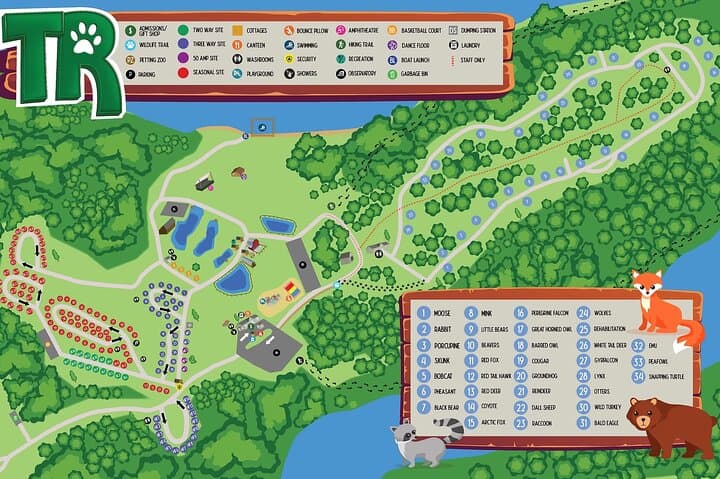
Expect easy, well-marked walking trails that loop through riverside groves and picnic clearings; the park’s design prioritizes viewing and education rather than rugged backcountry travel. Animals are visible from distances designed for safety, and knowledgeable staff and interpretive signs contextualize species and habitat.
Practical tip: plan a 3–4 hour visit during low afternoon sun for best viewing and photography. Wear waterproof shoes—the river keeps soils soft—and bring binoculars and insect repellent in warmer months. Respect barriers, keep noise low near enclosures, and use provided picnic areas to limit impact. Two Rivers is a family-friendly way to combine accessible hiking, riverside leisure, and close-up wildlife observation on Cape Breton’s Mira and Salmon River corridor.
easy.
3–4 hours.
Suitable for all fitness levels; mostly flat walking with short uneven sections near riverbanks
Service animals are permitted; non-service pets are typically not allowed to protect wildlife—check the park’s current policy before visiting.
Most visitors spend about 3–4 hours to see trails, enclosures, and picnic areas; shorter visits of 1–2 hours are possible for focused animal viewing.
Picnics are allowed in designated areas; the park provides bottled water with some admissions and asks visitors to pack out trash to protect habitats.
The park occupies river terrace lands long used by local communities and the Mi’kmaq, with the Mira River historically important for fishing and small-scale settlement.
Visitors are asked to follow no-feed rules and stay on designated trails to protect riparian habitats; the park supports education and humane animal care programs.
Silver Star Limousine & Tours operates guided outdoor trips and adventures with an emphasis on safety, stewardship, and memorable experiences.
A low, wind-bent stand of birch frames the Mira River as you arrive at Two Rivers Wildlife Park; water threads through the property and seems to tug the trail along, coaxing visitors toward quiet clearings and animal enclosures. The park’s 500-plus acres spread across river terraces where grassy meadows meet mixed forest, and paths open to river views that change with the light.
A low, wind-bent stand of birch frames the Mira River as you arrive at Two Rivers Wildlife Park; water threads through the property and seems to tug the trail along, coaxing visitors toward quiet clearings and animal enclosures. The park’s 500-plus acres spread across river terraces where grassy meadows meet mixed forest, and paths open to river views that change with the light.
Once part of the working riverlands that sustained coastal communities and the Mi’kmaq people, the terrain here reflects glacial sculpting: broad floodplain soils, ribboned oxbows, and river-carved banks that harbour wetland plants and spawning grounds. Two Rivers mixes native species with a selection of exotic animals—moose, deer, black bears alongside big cats and a family-friendly petting farm—offering an approachable window into regional ecology and animal care.
Expect easy, well-marked walking trails that loop through riverside groves and picnic clearings; the park’s design prioritizes viewing and education rather than rugged backcountry travel. Animals are visible from distances designed for safety, and knowledgeable staff and interpretive signs contextualize species and habitat.
Practical tip: plan a 3–4 hour visit during low afternoon sun for best viewing and photography. Wear waterproof shoes—the river keeps soils soft—and bring binoculars and insect repellent in warmer months. Respect barriers, keep noise low near enclosures, and use provided picnic areas to limit impact. Two Rivers is a family-friendly way to combine accessible hiking, riverside leisure, and close-up wildlife observation on Cape Breton’s Mira and Salmon River corridor.