THE ADVENTURE COLLECTIVE® · Independent discovery and booking for outdoor travel

An eight-day private circuit from Tunis that stitches together UNESCO sites, Saharan oases and Berber villages. Expect guided archaeological walks, a 4x4 to mountain oases and a night under desert stars.
An eight-day private circuit from Tunis that stitches together UNESCO sites, Saharan oases and Berber villages. Expect guided archaeological walks, a 4x4 to mountain oases and a night under desert stars.
The morning light in Tunis brings the medina to life: spice stalls steam, muezzin calls thread through alleys, and the driver waits at a hotel door to begin an eight-day circuit from Roman ruins to Sahara dunes.
Verified experiences and guided adventures in the surrounding area.
Operated by VirSem Fun & Travel · Tunis, Tunis Governorate
The morning light in Tunis brings the medina to life: spice stalls steam, muezzin calls thread through alleys, and the driver waits at a hotel door to begin an eight-day circuit from Roman ruins to Sahara dunes.
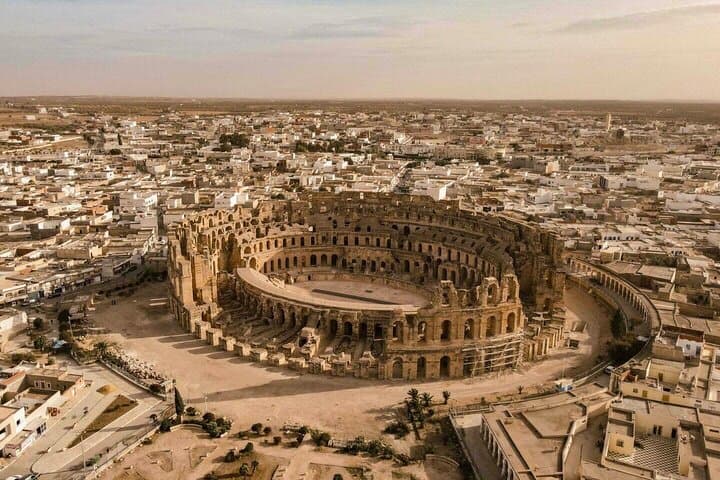
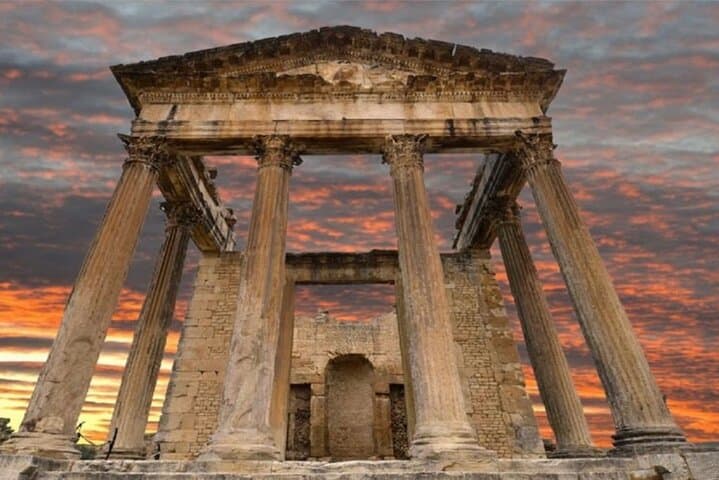
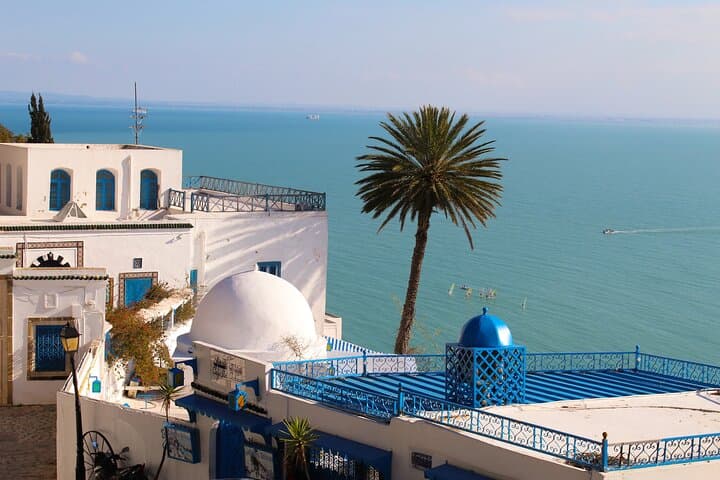
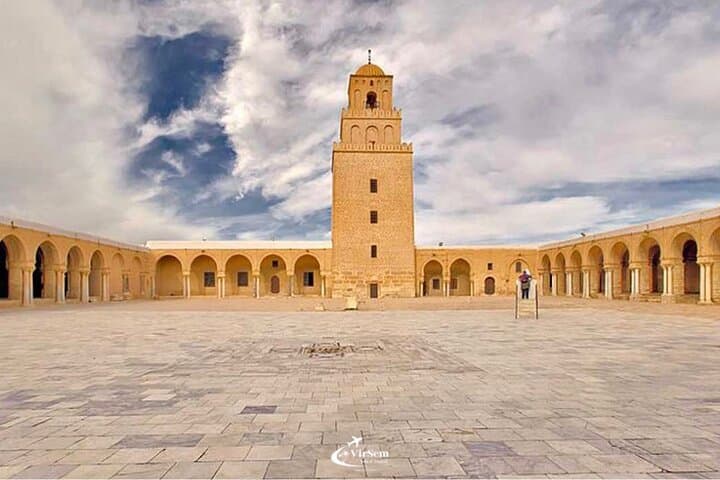
This private Grand Tour threads UNESCO sites—Dougga, Kairouan, El Jem—with the ochre drama of southern oases. Geology shifts quickly: limestone ruins give way to salt flats at Chott el Jerid, then to wind-carved dunes around Douz. Cultural layers overlap here—Phoenician ports in Carthage, Roman amphitheatres, Andalusian-influenced towns like Testour, and living Berber settlements in Matmata whose troglodyte homes speak to climate-adapted architecture.
Expect guided walks through compact archaeological sites, short medina explorations, and a 4x4 run into mountain oases such as Chebika and Tamerza. The desert portions personify themselves: the salt flat dares you to cross its shimmering plane; dune ridges challenge your stride as the wind nudges sand along new contours each day.
Practical guidance: pack layers for hot days and cool nights, plan for dusty conditions in the south, and carry photocopies of travel documents. Most travel is by private minivan with included meals; entrance fees to UNESCO sites are typically covered. A night in a desert camp is basic but safe—bring an overnight bag and leave nonessentials in hotel storage. Timing your trip in spring or fall avoids peak summer heat and makes walking and dune activities more comfortable. With straightforward logistics and a private guide, this itinerary is intimate and efficient—best for travelers who want cultural depth and a hands-on desert experience.
moderate.
8 days.
Suitable for travelers in average fitness; activities include short walks, uneven terrain in oases and easy camel/quad options.
The itinerary is full board with most breakfasts, lunches and dinners provided; drink exclusions are noted at some lunches and dinners.
Yes—stroller access and infant seats are available, though some desert activities like quad biking have age restrictions and safety considerations.
Visa requirements depend on nationality; many European and North American travelers receive visa-free entry for short stays, but verify with your consulate before travel.
Accommodations are a mix of 4-star city hotels, regional hotels and a basic but comfortable desert camp for the overnight in Douz.
Tunisia’s coast hosted Phoenician Carthage then Roman provinces; inland trade routes and Berber settlements layered these influences into local architecture and cuisine.
The tour traverses sensitive desert and oasis ecosystems—minimize impact by sticking to marked tracks, avoiding single-use plastics and respecting water resources in oases.
VirSem Fun & Travel operates guided outdoor trips and adventures with an emphasis on safety, stewardship, and memorable experiences.
The morning light in Tunis brings the medina to life: spice stalls steam, muezzin calls thread through alleys, and the driver waits at a hotel door to begin an eight-day circuit from Roman ruins to Sahara dunes.
The morning light in Tunis brings the medina to life: spice stalls steam, muezzin calls thread through alleys, and the driver waits at a hotel door to begin an eight-day circuit from Roman ruins to Sahara dunes.
This private Grand Tour threads UNESCO sites—Dougga, Kairouan, El Jem—with the ochre drama of southern oases. Geology shifts quickly: limestone ruins give way to salt flats at Chott el Jerid, then to wind-carved dunes around Douz. Cultural layers overlap here—Phoenician ports in Carthage, Roman amphitheatres, Andalusian-influenced towns like Testour, and living Berber settlements in Matmata whose troglodyte homes speak to climate-adapted architecture.
Expect guided walks through compact archaeological sites, short medina explorations, and a 4x4 run into mountain oases such as Chebika and Tamerza. The desert portions personify themselves: the salt flat dares you to cross its shimmering plane; dune ridges challenge your stride as the wind nudges sand along new contours each day.
Practical guidance: pack layers for hot days and cool nights, plan for dusty conditions in the south, and carry photocopies of travel documents. Most travel is by private minivan with included meals; entrance fees to UNESCO sites are typically covered. A night in a desert camp is basic but safe—bring an overnight bag and leave nonessentials in hotel storage. Timing your trip in spring or fall avoids peak summer heat and makes walking and dune activities more comfortable. With straightforward logistics and a private guide, this itinerary is intimate and efficient—best for travelers who want cultural depth and a hands-on desert experience.