THE ADVENTURE COLLECTIVE® · Independent discovery and booking for outdoor travel

Trace the brick footprint of the Majapahit Empire on a compact day tour from Surabaya. Visit Trowulan Museum, several temple sites and local craft workshops while learning how this thirteenth-century polity shaped Java.
Trace the brick footprint of the Majapahit Empire on a compact day tour from Surabaya. Visit Trowulan Museum, several temple sites and local craft workshops while learning how this thirteenth-century polity shaped Java.
You step out of an air-conditioned minivan and the plain around Trowulan opens like a map of the past—rice paddies give way to low stone platforms and scattered brick ruins, and the heat carries the dry, dusty smell of red clay.
Verified experiences and guided adventures in the surrounding area.
Operated by Bromo tours by javalinegroup · Mojokerto, East Java
You step out of an air-conditioned minivan and the plain around Trowulan opens like a map of the past—rice paddies give way to low stone platforms and scattered brick ruins, and the heat carries the dry, dusty smell of red clay.
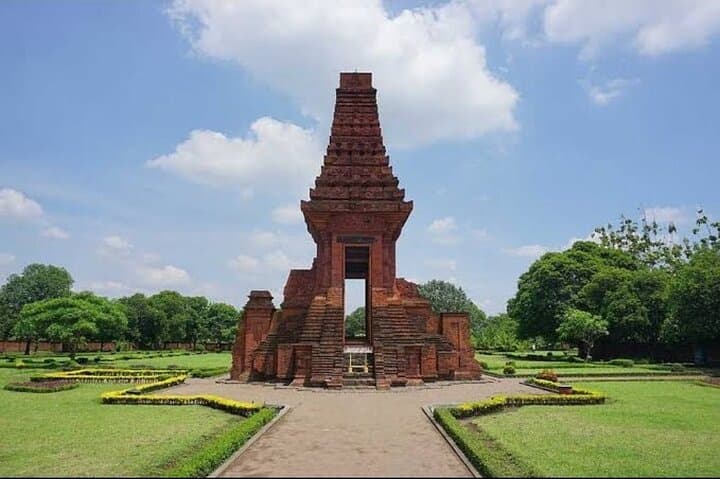
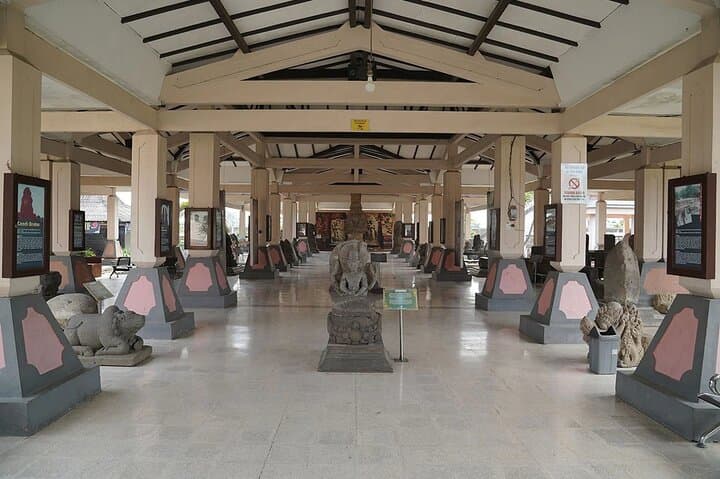
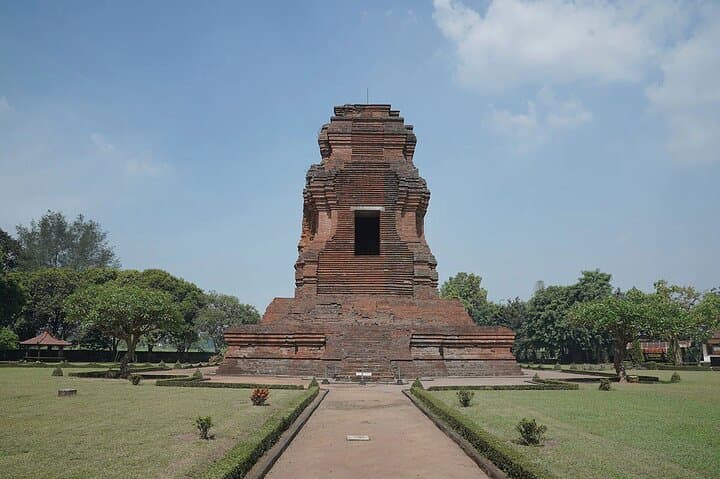
This one-day route follows the footprint of the Majapahit Empire, a thirteenth- to fifteenth-century maritime power that once influenced much of the archipelago. The itinerary threads through Trowulan Museum’s pottery and stone fragments, then moves to a ring of temple remains: Tikus, Brahu, Bajang Ratu and the grand Wringin Lawang gate. Each structure is an architectural clue—laterite and clay bricks stacked into doorways and terraces that reflect local building methods and a period when the region’s river channels were highways.
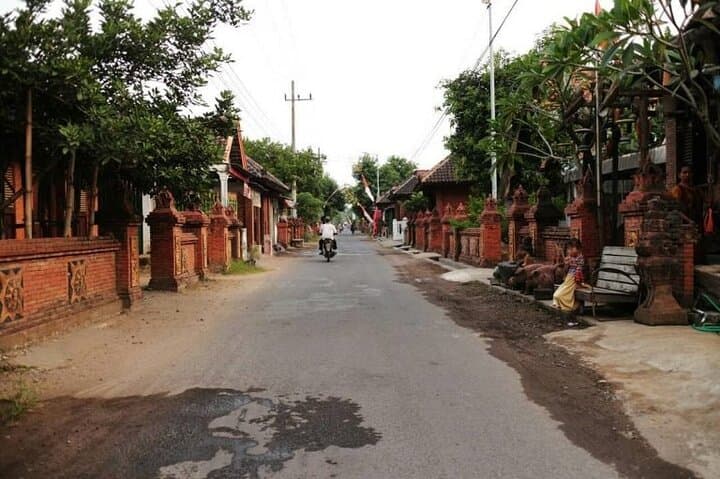
Local life remains close to the ruins: brass workshops still hammer out plates and gamelan parts, while residents practice theatrical forms like the Palapa pledge. The tour often includes a thematic homestay experience that recreates Majapahit-era motifs and one of the region’s oversized reclining Buddha statues.
Practical guidance: expect uneven, sometimes muddy paths and short stair sections—good footwear matters. Midday in East Java is hot; plan to hike temple grounds in the morning and late afternoon. Carry cash for small purchases, and dress respectfully—temple visits call for covered shoulders.
The loop is compact enough for a day out of Surabaya, offering a blend of archaeology, craft demonstrations, and plain, tactile history that rewards observation more than strenuous effort.
moderate.
6–8 hours.
Suitable for travelers with moderate fitness: involves walking on uneven ground and short stair climbs.
Typical departures begin around 08:00 with a return to Surabaya mid-afternoon; expect 6–8 hours including transit and site visits.
Yes, but the tour is not stroller-friendly across ruins; participants should be able to walk short uneven stretches and climb low steps.
The tour listing includes entry tickets and bottled water; lunch and traditional snacks are usually provided as noted in the inclusions.
You can request dietary preferences at booking; travelers with significant mobility limitations should notify the operator in advance as some temple areas are not wheelchair accessible.
Trowulan was the political center of the Majapahit state from the 13th to 15th centuries; scattered brickwork and gate structures are remnants of urban settlement and ritual compounds.
Local programs balance tourism with preservation by limiting access to fragile brick structures and encouraging vendors to avoid selling illicit antiquities.
Bromo tours by javalinegroup operates guided outdoor trips and adventures with an emphasis on safety, stewardship, and memorable experiences.
You step out of an air-conditioned minivan and the plain around Trowulan opens like a map of the past—rice paddies give way to low stone platforms and scattered brick ruins, and the heat carries the dry, dusty smell of red clay.
You step out of an air-conditioned minivan and the plain around Trowulan opens like a map of the past—rice paddies give way to low stone platforms and scattered brick ruins, and the heat carries the dry, dusty smell of red clay.
This one-day route follows the footprint of the Majapahit Empire, a thirteenth- to fifteenth-century maritime power that once influenced much of the archipelago. The itinerary threads through Trowulan Museum’s pottery and stone fragments, then moves to a ring of temple remains: Tikus, Brahu, Bajang Ratu and the grand Wringin Lawang gate. Each structure is an architectural clue—laterite and clay bricks stacked into doorways and terraces that reflect local building methods and a period when the region’s river channels were highways.
Local life remains close to the ruins: brass workshops still hammer out plates and gamelan parts, while residents practice theatrical forms like the Palapa pledge. The tour often includes a thematic homestay experience that recreates Majapahit-era motifs and one of the region’s oversized reclining Buddha statues.
Practical guidance: expect uneven, sometimes muddy paths and short stair sections—good footwear matters. Midday in East Java is hot; plan to hike temple grounds in the morning and late afternoon. Carry cash for small purchases, and dress respectfully—temple visits call for covered shoulders.
The loop is compact enough for a day out of Surabaya, offering a blend of archaeology, craft demonstrations, and plain, tactile history that rewards observation more than strenuous effort.