THE ADVENTURE COLLECTIVE® · Independent discovery and booking for outdoor travel

Walk Trier at your own pace with a GPS-backed audio guide that links Porta Nigra, the Dom, Roman baths and hidden market corners into a two-hour city loop. Ideal for independent travelers who want history, architecture and local flavor with practical navigation.
Walk Trier at your own pace with a GPS-backed audio guide that links Porta Nigra, the Dom, Roman baths and hidden market corners into a two-hour city loop. Ideal for independent travelers who want history, architecture and local flavor with practical navigation.
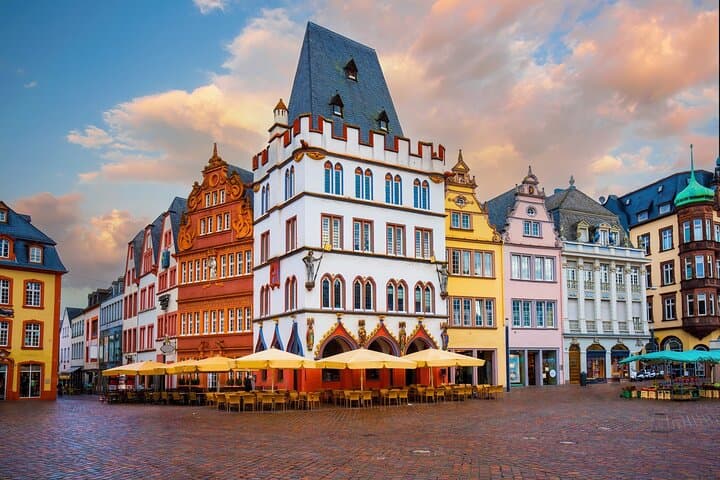
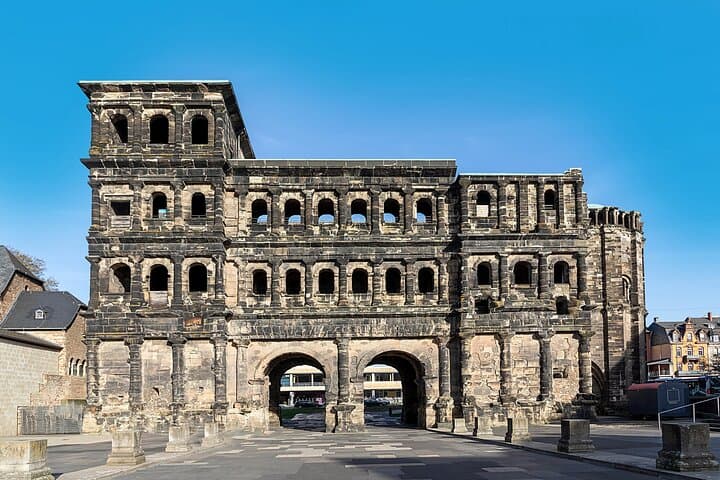
Morning light slides across the red-brown stone of the Porta Nigra and the city wakes around the Hauptmarkt: vendors set out produce, church bells count the hour, and a GPS ping marks your route. This self-guided audio walk threads those moments into a two-hour loop that puts Trier’s Roman bones and medieval facades within easy reach of any curious traveler.
Verified experiences and guided adventures in the surrounding area.
Operated by Niki Your TravelBuddy · Trier, Rhineland-Palatinate
Morning light slides across the red-brown stone of the Porta Nigra and the city wakes around the Hauptmarkt: vendors set out produce, church bells count the hour, and a GPS ping marks your route. This self-guided audio walk threads those moments into a two-hour loop that puts Trier’s Roman bones and medieval facades within easy reach of any curious traveler.
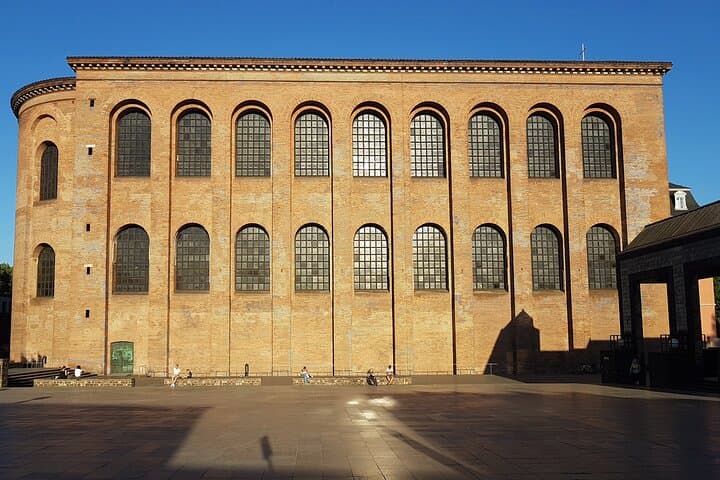
Trier’s streets still remember Rome—broad gatehouses, imperial baths and the Dom whose foundations trace back to a fourth-century basilica. The tour moves from Porta Nigra to the Simeonstift and the Liebfrauenkirche, stopping at market pillars and sites where Norman raids and archbishops reshaped civic life. Geology shows itself in the city’s Roman brickwork and local Moselle valley sandstone; culture appears in half-timbered houses, market rituals, and the modest house-turned-museum where Karl Marx was born.
Practically speaking, the audio app uses real-time GPS so you won’t need a guidebook, but expect short walking bursts across cobbles and plazas; surfaces are flat to gently rolling. Timing matters—early morning or late afternoon gives softer light and fewer tour groups; midday brings market energy and café seating. Accessibility is generally good: many streets and major attractions are wheelchair accessible, though cobbles can be uneven.
Pack a charged phone, water, and a lightweight weather layer. The route is excellent for families and independent travelers who want history on their own terms without losing the texture of an active German city.
easy.
2 hours.
Suitable for most fitness levels; requires basic walking stamina for 1.5–3 miles of pavement and cobbles.
Most GPS audio tours for Trier offer several language options—check the app details when you book to confirm available languages.
Key attractions like the Dom and many market areas are wheelchair accessible, but some streets have uneven cobbles—contact local sites for specific access routes.
The audio guide itself doesn’t include admission; Porta Nigra and some museums may charge entry if you choose to go inside.
Many GPS tour apps allow offline downloads of maps and audio—download files beforehand and ensure your phone has battery power.
Trier is one of Germany’s oldest cities with extensive Roman remains: the Porta Nigra and extensive bath complexes date to the 3rd–4th centuries, and the Dom preserves earlier basilica foundations.
Historic sites are sensitive to foot traffic—stay on marked paths, don’t climb ruins, and follow local waste and preservation rules to protect fragile masonry and archaeological layers.
Niki Your TravelBuddy operates guided outdoor trips and adventures with an emphasis on safety, stewardship, and memorable experiences.

Morning light slides across the red-brown stone of the Porta Nigra and the city wakes around the Hauptmarkt: vendors set out produce, church bells count the hour, and a GPS ping marks your route. This self-guided audio walk threads those moments into a two-hour loop that puts Trier’s Roman bones and medieval facades within easy reach of any curious traveler.
Morning light slides across the red-brown stone of the Porta Nigra and the city wakes around the Hauptmarkt: vendors set out produce, church bells count the hour, and a GPS ping marks your route. This self-guided audio walk threads those moments into a two-hour loop that puts Trier’s Roman bones and medieval facades within easy reach of any curious traveler.
Trier’s streets still remember Rome—broad gatehouses, imperial baths and the Dom whose foundations trace back to a fourth-century basilica. The tour moves from Porta Nigra to the Simeonstift and the Liebfrauenkirche, stopping at market pillars and sites where Norman raids and archbishops reshaped civic life. Geology shows itself in the city’s Roman brickwork and local Moselle valley sandstone; culture appears in half-timbered houses, market rituals, and the modest house-turned-museum where Karl Marx was born.
Practically speaking, the audio app uses real-time GPS so you won’t need a guidebook, but expect short walking bursts across cobbles and plazas; surfaces are flat to gently rolling. Timing matters—early morning or late afternoon gives softer light and fewer tour groups; midday brings market energy and café seating. Accessibility is generally good: many streets and major attractions are wheelchair accessible, though cobbles can be uneven.
Pack a charged phone, water, and a lightweight weather layer. The route is excellent for families and independent travelers who want history on their own terms without losing the texture of an active German city.