THE ADVENTURE COLLECTIVE® · Independent discovery and booking for outdoor travel

Spend a day away from Marrakech exploring the Ecomuseum of Toubkal and the mountain village of Imlil. This full-day trip blends geology, Berber culture and easy village walks with a home-cooked lunch.
Spend a day away from Marrakech exploring the Ecomuseum of Toubkal and the mountain village of Imlil. This full-day trip blends geology, Berber culture and easy village walks with a home-cooked lunch.
You step off the minibus as the road drops from the red-stone outskirts of Marrakech into a pocket of walnut groves and clear mountain air. The Ecomuseum of the Toubkal National Park sits like a practical classroom for the High Atlas—panels, dioramas and tactile displays that make the region’s geology and Berber culture immediate and understandable.
Verified experiences and guided adventures in the surrounding area.
Operated by Ouirgane Atlas Activity · Imlil, Marrakech-Safi
You step off the minibus as the road drops from the red-stone outskirts of Marrakech into a pocket of walnut groves and clear mountain air. The Ecomuseum of the Toubkal National Park sits like a practical classroom for the High Atlas—panels, dioramas and tactile displays that make the region’s geology and Berber culture immediate and understandable.
Founded in 2012, the ecomuseum explains the park’s steep geology: folded volcanic and metamorphic rocks pushed up by the African and Eurasian plates, feeding the gullies that cut toward the valleys. Imlil lies higher still—stone terraces and south-facing balconies at roughly 1,700–1,900 m—and the guide will point out how scarce water shapes settlement patterns and agriculture here.
After the exhibits the trail follows old mule tracks through walnut orchards, past a seasonal waterfall and into the terraced village of Armed, where a home-cooked Berber lunch awaits. The exchange is informal but rooted in local custom: modest dress, a readiness to remove shoes indoors and curiosity about daily life.
Practical edge: this is a full-day outing from Marrakech (about 64 km each way). Expect uneven village paths and short uphill sections at altitude—moderate fitness helps. In winter, compacted snow can appear above village levels and crampons may be required (available to rent through the guide). Bring layered clothing, sun protection, sturdy footwear and plenty of water. The route is as much about cultural contact and landscape literacy as it is about exercise—plan for a calm, observant pace and leave extra time for photographs and conversations with hosts.
moderate.
8–10 hours.
Moderate fitness; able to walk uneven village tracks and short uphill sections at altitude
Yes—round-trip transfer from your accommodation in Marrakech is included in the tour.
The operator notes it’s not recommended for children 9 years and under; older children with moderate fitness can participate.
Yes—a lunch in a local Berber house is included, usually simple cooked dishes served family-style.
In winter, crampons and snow spikes may be required for walking above village levels; the guide can arrange rental (about €10).
The High Atlas has long been home to Berber communities who adapted terraced agriculture to steep slopes; the ecomuseum highlights traditional practices and pastoral land use.
The park promotes low-impact tourism and environmental education; visitors should stay on paths, avoid littering and support local guides to help preserve mountain resources.
Ouirgane Atlas Activity operates guided outdoor trips and adventures with an emphasis on safety, stewardship, and memorable experiences.
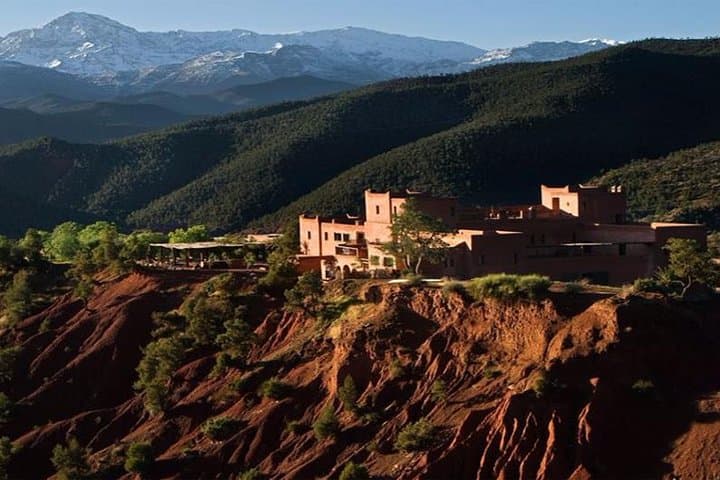
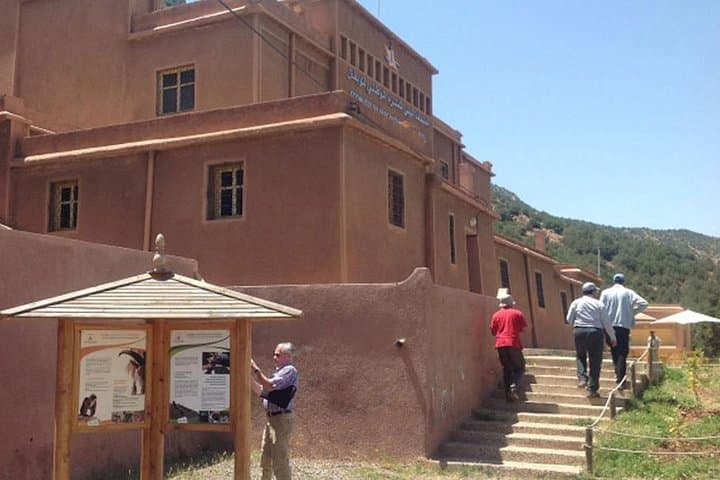
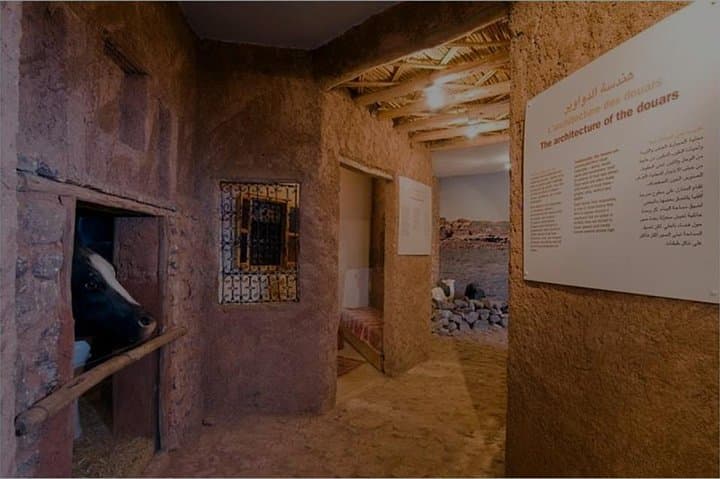
You step off the minibus as the road drops from the red-stone outskirts of Marrakech into a pocket of walnut groves and clear mountain air. The Ecomuseum of the Toubkal National Park sits like a practical classroom for the High Atlas—panels, dioramas and tactile displays that make the region’s geology and Berber culture immediate and understandable.
You step off the minibus as the road drops from the red-stone outskirts of Marrakech into a pocket of walnut groves and clear mountain air. The Ecomuseum of the Toubkal National Park sits like a practical classroom for the High Atlas—panels, dioramas and tactile displays that make the region’s geology and Berber culture immediate and understandable.
Founded in 2012, the ecomuseum explains the park’s steep geology: folded volcanic and metamorphic rocks pushed up by the African and Eurasian plates, feeding the gullies that cut toward the valleys. Imlil lies higher still—stone terraces and south-facing balconies at roughly 1,700–1,900 m—and the guide will point out how scarce water shapes settlement patterns and agriculture here.
After the exhibits the trail follows old mule tracks through walnut orchards, past a seasonal waterfall and into the terraced village of Armed, where a home-cooked Berber lunch awaits. The exchange is informal but rooted in local custom: modest dress, a readiness to remove shoes indoors and curiosity about daily life.
Practical edge: this is a full-day outing from Marrakech (about 64 km each way). Expect uneven village paths and short uphill sections at altitude—moderate fitness helps. In winter, compacted snow can appear above village levels and crampons may be required (available to rent through the guide). Bring layered clothing, sun protection, sturdy footwear and plenty of water. The route is as much about cultural contact and landscape literacy as it is about exercise—plan for a calm, observant pace and leave extra time for photographs and conversations with hosts.