THE ADVENTURE COLLECTIVE® · Independent discovery and booking for outdoor travel

A full-day private tour that pairs the otherworldly Tottori Sand Dunes with coastal cliffs, serene Lake Koyama, and the artistic Sand Museum. Expect a mix of sandy ascents, cliffside viewpoints, and cultural stories tied to the white rabbit legend.
A full-day private tour that pairs the otherworldly Tottori Sand Dunes with coastal cliffs, serene Lake Koyama, and the artistic Sand Museum. Expect a mix of sandy ascents, cliffside viewpoints, and cultural stories tied to the white rabbit legend.
Morning light strips the Sea of Japan into silver; wind pushes warm sand into ripples that catch your step as you climb the dunes. The air smells faintly of salt and pine, and the shoreline cliffs of Uradome call across the bay with caves and carved arches that dare you to look closer.
Verified experiences and guided adventures in the surrounding area.
Operated by Milkyway Tours · Tottori, Tottori Prefecture
Morning light strips the Sea of Japan into silver; wind pushes warm sand into ripples that catch your step as you climb the dunes. The air smells faintly of salt and pine, and the shoreline cliffs of Uradome call across the bay with caves and carved arches that dare you to look closer.
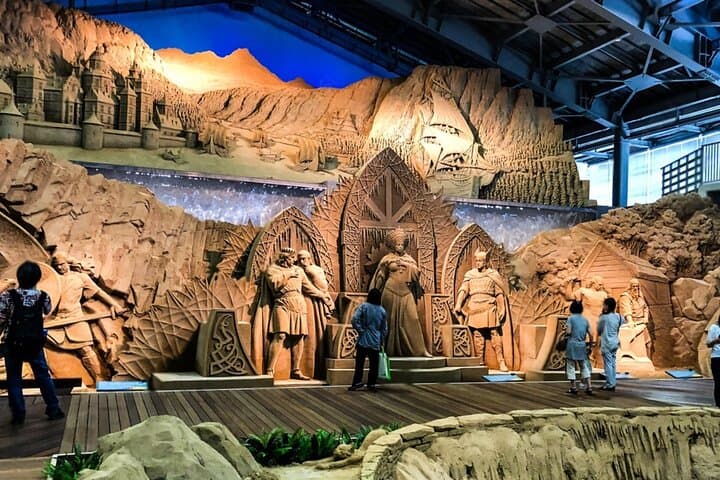
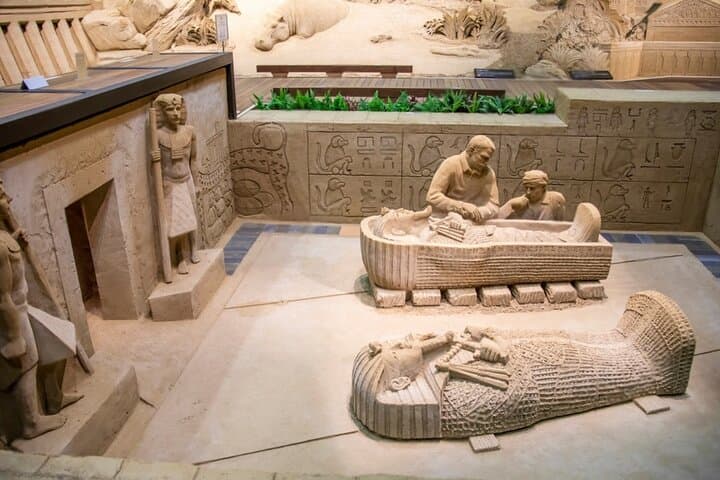
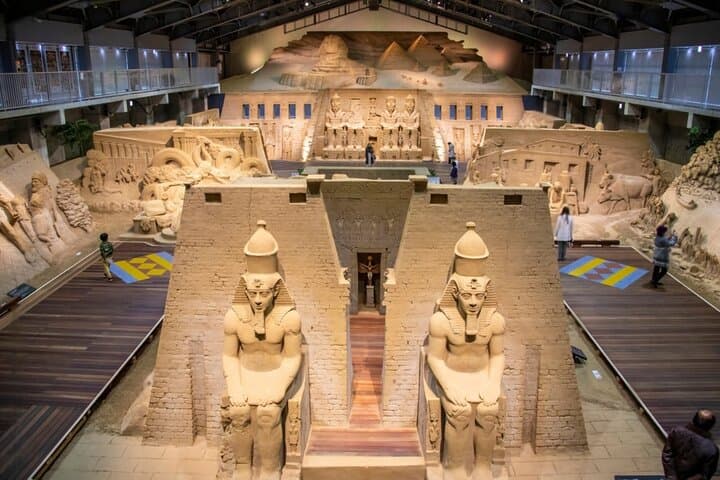
These dunes are the largest on Japan’s coast, formed over millennia by sediment from the Sendai and other rivers and reshaped by seasonal winds. Around them, Hakuto Coast carries folklore—the white rabbit of Hakuto Shrine—a cultural layer visitors still find in local storytelling. Inland, Lake Koyama’s placid surface offers a contrast: a man-made basin ringed by cherry trees and cycling paths. The Sand Museum nearby channels contemporary creativity, turning fragile sand into monumental, rotating exhibits crafted by international artists.
On a private tour you move deliberately: dunes and optional camel rides or short hikes, a shoreline walk along Hakuto’s white sands, a cliffside viewpoint at Uradome, a calm loop at Lake Koyama, and a deep-dive at the Sand Museum. Expect varied terrain—soft sand, coastal rock steps, paved lakeside paths—and full-day pacing with time to photograph, rest, and learn from an English-speaking driver-guide.
Practical tips: arrive with layered clothing for wind, bring sun protection and a water bottle, wear shoes that tolerate sand and slick rock, and plan the Sand Museum visit into your entry fee budget. Travel in spring or autumn for cooler winds and clearer skies, and respect marked routes to protect dune vegetation. This itinerary balances cultural learning with outdoor movement—a thoughtful way to see Tottori’s coast and desert-like shoreline in a single day.
easy.
12 hours.
Suitable for travelers comfortable walking short distances on sand and rocky paths; minimal endurance required.
Admission to the Sand Museum is typically not included—confirm with your operator and budget for separate entry fees.
The itinerary notes wheelchair-accessible transportation and some accessible surfaces, but dune and cliff areas have uneven ground—check specifics with the provider before booking.
Camel rides are sometimes offered seasonally at the dunes; paragliding requires specialized operators and advance booking—ask your guide for local providers.
Stops include small coastal facilities and cafés near Lake Koyama and the museum; bring snacks for stretches between services.
The dunes are the result of river-borne sediments and longshore currents; local folklore—most famously the Hakuto white rabbit—has shaped shrine culture and storytelling along the coast.
Dune vegetation is fragile; local management emphasizes staying on paths and limiting vehicle access. The Sand Museum and local operators promote visitor education to reduce impact.
Milkyway Tours operates guided outdoor trips and adventures with an emphasis on safety, stewardship, and memorable experiences.
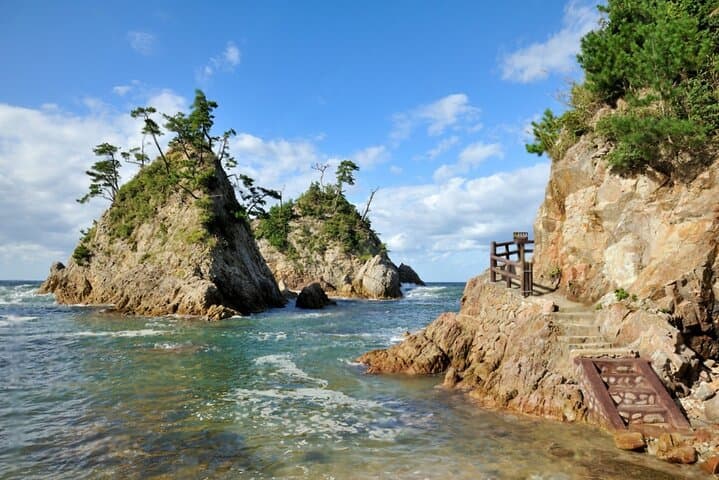
Morning light strips the Sea of Japan into silver; wind pushes warm sand into ripples that catch your step as you climb the dunes. The air smells faintly of salt and pine, and the shoreline cliffs of Uradome call across the bay with caves and carved arches that dare you to look closer.
Morning light strips the Sea of Japan into silver; wind pushes warm sand into ripples that catch your step as you climb the dunes. The air smells faintly of salt and pine, and the shoreline cliffs of Uradome call across the bay with caves and carved arches that dare you to look closer.
These dunes are the largest on Japan’s coast, formed over millennia by sediment from the Sendai and other rivers and reshaped by seasonal winds. Around them, Hakuto Coast carries folklore—the white rabbit of Hakuto Shrine—a cultural layer visitors still find in local storytelling. Inland, Lake Koyama’s placid surface offers a contrast: a man-made basin ringed by cherry trees and cycling paths. The Sand Museum nearby channels contemporary creativity, turning fragile sand into monumental, rotating exhibits crafted by international artists.
On a private tour you move deliberately: dunes and optional camel rides or short hikes, a shoreline walk along Hakuto’s white sands, a cliffside viewpoint at Uradome, a calm loop at Lake Koyama, and a deep-dive at the Sand Museum. Expect varied terrain—soft sand, coastal rock steps, paved lakeside paths—and full-day pacing with time to photograph, rest, and learn from an English-speaking driver-guide.
Practical tips: arrive with layered clothing for wind, bring sun protection and a water bottle, wear shoes that tolerate sand and slick rock, and plan the Sand Museum visit into your entry fee budget. Travel in spring or autumn for cooler winds and clearer skies, and respect marked routes to protect dune vegetation. This itinerary balances cultural learning with outdoor movement—a thoughtful way to see Tottori’s coast and desert-like shoreline in a single day.