THE ADVENTURE COLLECTIVE® · Independent discovery and booking for outdoor travel

Spend a day tracing Portugal’s medieval powerhouses — Tomar’s Templar convent, Batalha’s Gothic monastery, and Alcobaça’s Cistercian grandeur — on a guided UNESCO tour from Lisbon. Plan for cobbles, cloisters and plenty of photo ops.
Spend a day tracing Portugal’s medieval powerhouses — Tomar’s Templar convent, Batalha’s Gothic monastery, and Alcobaça’s Cistercian grandeur — on a guided UNESCO tour from Lisbon. Plan for cobbles, cloisters and plenty of photo ops.
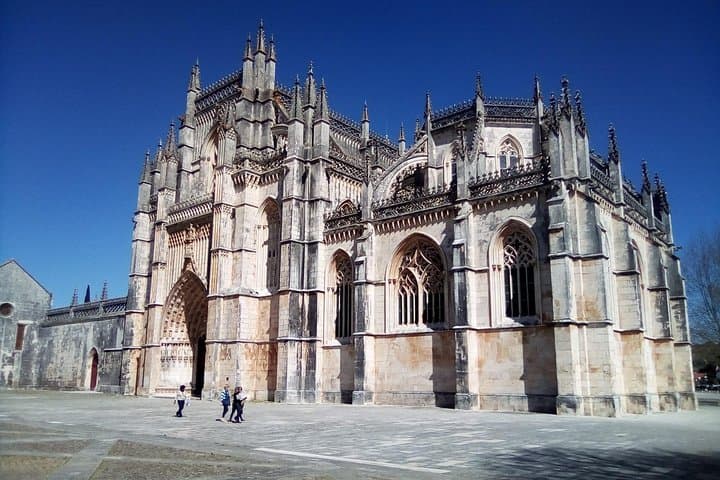
A low sun cuts across the Tagus valley as the van winds toward Tomar, and the stone of the Convent of Christ sharpens into relief — carved ropework and bold Manueline windows catching the light. You move from one epoch to the next in a single day: Templar courtyards in Tomar, soaring Gothic buttresses at Batalha, and the strict Cistercian lines of Alcobaça. The river and hills themselves seem to propose a route, guiding you from castle to cloister.
Verified experiences and guided adventures in the surrounding area.
Operated by Pipefly · Tomar, Santarém District
A low sun cuts across the Tagus valley as the van winds toward Tomar, and the stone of the Convent of Christ sharpens into relief — carved ropework and bold Manueline windows catching the light. You move from one epoch to the next in a single day: Templar courtyards in Tomar, soaring Gothic buttresses at Batalha, and the strict Cistercian lines of Alcobaça. The river and hills themselves seem to propose a route, guiding you from castle to cloister.
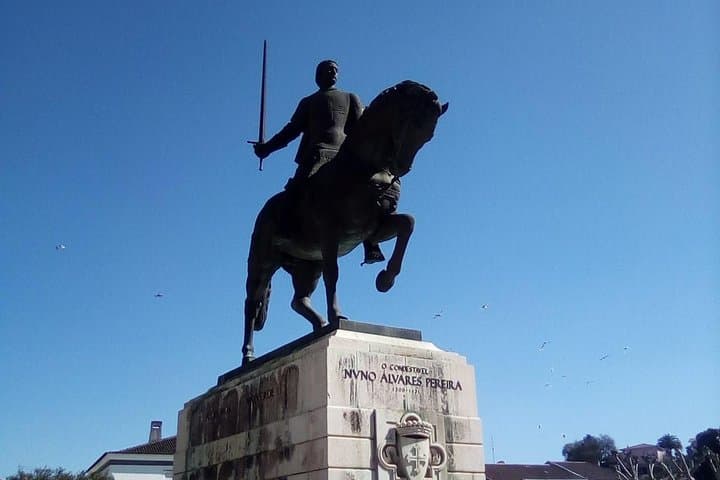
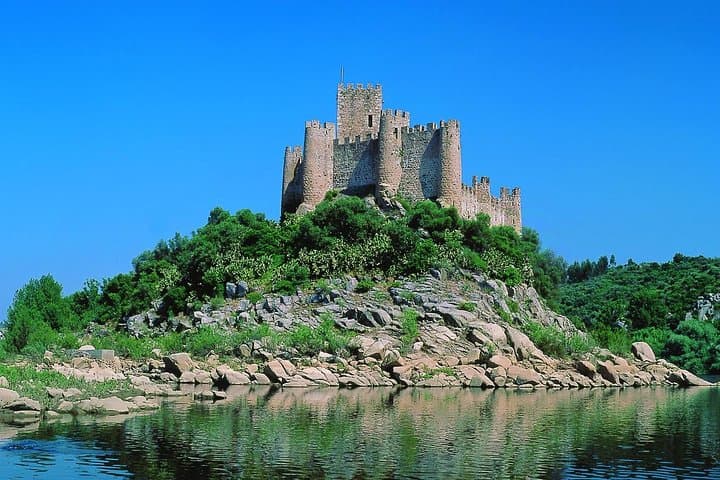
These monuments are anchors of Portuguese history. Tomar began as a Templar stronghold in the 12th century and grew into a symbol of maritime opening during the Manueline era. Batalha marks a 1385 victory that shaped national identity; Alcobaça preserves monastic austerity and medieval funerary art. Óbidos and the island-castle of Almourol add fortified charm and local legend to the day.
Expect solid pavements, cobbled lanes, staircases and long gallery halls — not technical hiking but lots of standing and walking. Wear comfortable shoes, carry water, and plan for seasonal sun or sudden rain. Photography is generous: gothic portals, cloister capitals, and river views reward both wide-angle and detail shots. Timings matter — early starts beat crowds and allow more time inside monuments.
Practicalities: most tours run as full-day excursions from Lisbon, include private transport and parking, and are suitable for a broad range of fitness levels. Bring a light layer for cool interior cloisters, allow 45–75 minutes per major stop, and check opening times if you want to enter every monument. The route is a compact education in Portuguese medieval power and craftsmanship — tactile, navigable, and deeply rewarding.
easy.
8 hours.
Suitable for most fitness levels — expect multiple short walks and standing periods; able-bodied mobility recommended
The typical itinerary is a full day (around 8 hours) and covers Tomar, Batalha, Alcobaça, Óbidos and a stop at Almourol for sightseeing.
Private transport and parking are included, but individual monument admissions are often not included — check the tour details before booking.
Yes — the tour is rated easy and suitable for a wide range of fitness levels, though expect walking and stairs inside monuments.
Many operators offer private tours and can adjust pacing or pickup/drop-off when arranged in advance.
These monuments mark military, religious and royal power from 12th–15th centuries; Tomar was a Templar base while Batalha commemorates the 1385 victory that shaped Portugal’s independence.
Visitor pressure has prompted timed entries and conservation programs; stick to marked paths, avoid touching delicate stonework, and respect opening-hour limits to help preserve these sites.
Pipefly operates guided outdoor trips and adventures with an emphasis on safety, stewardship, and memorable experiences.
A low sun cuts across the Tagus valley as the van winds toward Tomar, and the stone of the Convent of Christ sharpens into relief — carved ropework and bold Manueline windows catching the light. You move from one epoch to the next in a single day: Templar courtyards in Tomar, soaring Gothic buttresses at Batalha, and the strict Cistercian lines of Alcobaça. The river and hills themselves seem to propose a route, guiding you from castle to cloister.
A low sun cuts across the Tagus valley as the van winds toward Tomar, and the stone of the Convent of Christ sharpens into relief — carved ropework and bold Manueline windows catching the light. You move from one epoch to the next in a single day: Templar courtyards in Tomar, soaring Gothic buttresses at Batalha, and the strict Cistercian lines of Alcobaça. The river and hills themselves seem to propose a route, guiding you from castle to cloister.
These monuments are anchors of Portuguese history. Tomar began as a Templar stronghold in the 12th century and grew into a symbol of maritime opening during the Manueline era. Batalha marks a 1385 victory that shaped national identity; Alcobaça preserves monastic austerity and medieval funerary art. Óbidos and the island-castle of Almourol add fortified charm and local legend to the day.
Expect solid pavements, cobbled lanes, staircases and long gallery halls — not technical hiking but lots of standing and walking. Wear comfortable shoes, carry water, and plan for seasonal sun or sudden rain. Photography is generous: gothic portals, cloister capitals, and river views reward both wide-angle and detail shots. Timings matter — early starts beat crowds and allow more time inside monuments.
Practicalities: most tours run as full-day excursions from Lisbon, include private transport and parking, and are suitable for a broad range of fitness levels. Bring a light layer for cool interior cloisters, allow 45–75 minutes per major stop, and check opening times if you want to enter every monument. The route is a compact education in Portuguese medieval power and craftsmanship — tactile, navigable, and deeply rewarding.