THE ADVENTURE COLLECTIVE® · Independent discovery and booking for outdoor travel

Cover Tokyo’s top neighborhoods in a private three-hour e-bike tour that balances history, hidden shrines, and modern waterfronts. Ideal for travelers who want to see more ground than a walking tour while staying close to local life.
Cover Tokyo’s top neighborhoods in a private three-hour e-bike tour that balances history, hidden shrines, and modern waterfronts. Ideal for travelers who want to see more ground than a walking tour while staying close to local life.
A cool morning hums beneath the city as an electric motor eases you away from Tokyo Station’s red-brick façade. The guide adjusts helmets, checks batteries, and the group slips into a route that threads past glass towers and narrow side streets. Streets smell of coffee and toasted rice crackers; parks push a quiet green into the urban rhythm.
Verified experiences and guided adventures in the surrounding area.
Operated by Japan Wonder Travel · Tokyo, Tokyo
A cool morning hums beneath the city as an electric motor eases you away from Tokyo Station’s red-brick façade. The guide adjusts helmets, checks batteries, and the group slips into a route that threads past glass towers and narrow side streets. Streets smell of coffee and toasted rice crackers; parks push a quiet green into the urban rhythm.
The ride stitches together Tokyo’s layers: the western-influenced architecture of Tokyo Station (opened in 1914), the Edo-period shrines of Fukagawa and Tomioka Hachimangu that helped shape sumo culture, and the bay’s reclaimed edges where modern developments like Odaiba rise. Geologically the city sits on the Kanto Plain with Tokyo Bay formed by sediment and human reclamation, so expect flat stretches interrupted by steep local rises like the approach to Atago Shrine.
Culturally, this tour moves at neighborhood scale — convenience-store snacks chosen by guides, tucked-away temples, and local markets where residents run their days. The private format (max five) balances traffic-savvy city riding with enough stops for photography and a 20–30 minute garden pause.
Practical guidance: arrive 15 minutes early for the safety briefing; helmets and E-bikes are provided. Not suitable for children under 12, participants over 120kg, or those with serious back or heart conditions. Wear closed-toe shoes, bring a small pack for water, and plan for changing weather — winter gloves may be offered. The guide will reroute or cancel in heavy rain for safety. Expect three hours of mostly flat, urban cycling with short walking sections at shrines and gardens.
moderate.
3 hours.
Participants should have moderate fitness and be comfortable riding an assisted bicycle in city traffic for several hours.
Yes — helmets are included and fitted during the 15-minute pre-ride briefing.
Riders must be over 12 years old, at least 147 cm tall, and under 120 kg for safety and proper e-bike operation.
The operator may cancel for heavy rain or unsafe conditions and will notify you by email; light rain may require a rain jacket but the guide makes the final call.
Expect a three-hour loop through multiple neighborhoods covering several kilometers with frequent short stops; the e-bike’s motor reduces effort on hills.
Tokyo Station opened in 1914 and helped connect the modern capital; Tomioka Hachimangu shrine influenced local sport and community life since the Edo period.
Stay on designated paths, avoid feeding wildlife, and respect shrines and local neighborhoods; urban tours have a small footprint but obeying local rules preserves sites for residents and visitors.
Japan Wonder Travel operates guided outdoor trips and adventures with an emphasis on safety, stewardship, and memorable experiences.
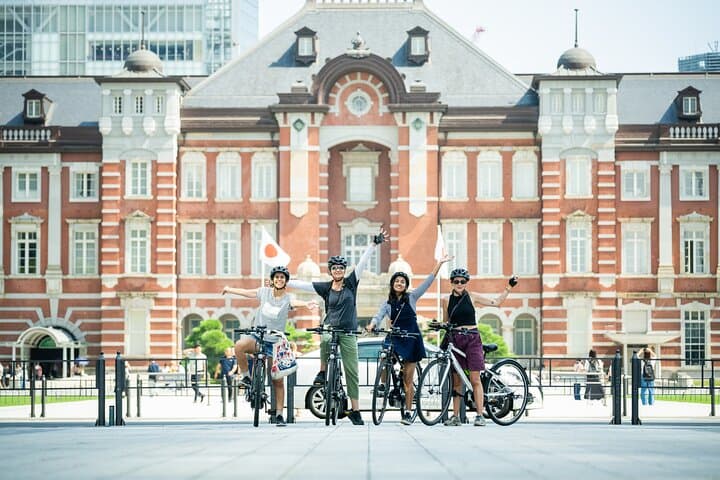
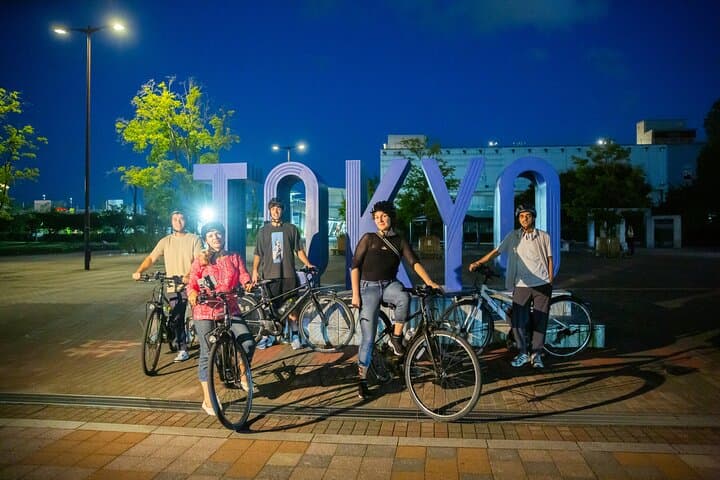
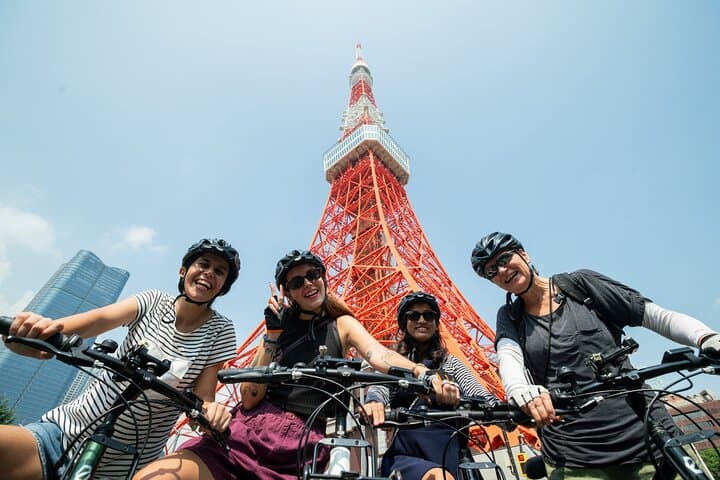
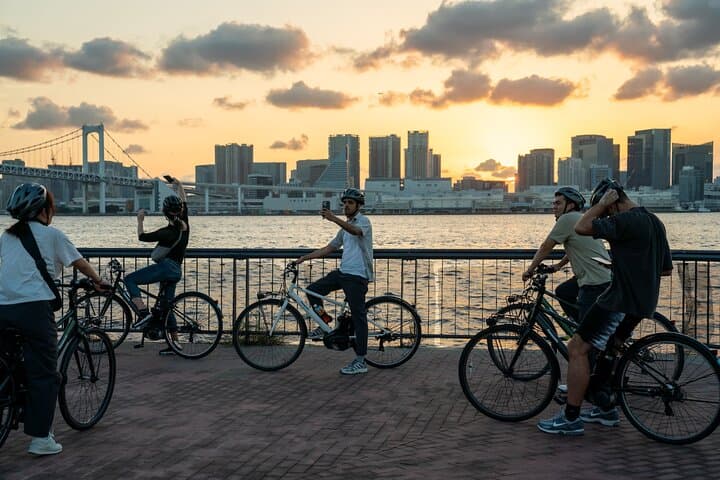
A cool morning hums beneath the city as an electric motor eases you away from Tokyo Station’s red-brick façade. The guide adjusts helmets, checks batteries, and the group slips into a route that threads past glass towers and narrow side streets. Streets smell of coffee and toasted rice crackers; parks push a quiet green into the urban rhythm.
A cool morning hums beneath the city as an electric motor eases you away from Tokyo Station’s red-brick façade. The guide adjusts helmets, checks batteries, and the group slips into a route that threads past glass towers and narrow side streets. Streets smell of coffee and toasted rice crackers; parks push a quiet green into the urban rhythm.
The ride stitches together Tokyo’s layers: the western-influenced architecture of Tokyo Station (opened in 1914), the Edo-period shrines of Fukagawa and Tomioka Hachimangu that helped shape sumo culture, and the bay’s reclaimed edges where modern developments like Odaiba rise. Geologically the city sits on the Kanto Plain with Tokyo Bay formed by sediment and human reclamation, so expect flat stretches interrupted by steep local rises like the approach to Atago Shrine.
Culturally, this tour moves at neighborhood scale — convenience-store snacks chosen by guides, tucked-away temples, and local markets where residents run their days. The private format (max five) balances traffic-savvy city riding with enough stops for photography and a 20–30 minute garden pause.
Practical guidance: arrive 15 minutes early for the safety briefing; helmets and E-bikes are provided. Not suitable for children under 12, participants over 120kg, or those with serious back or heart conditions. Wear closed-toe shoes, bring a small pack for water, and plan for changing weather — winter gloves may be offered. The guide will reroute or cancel in heavy rain for safety. Expect three hours of mostly flat, urban cycling with short walking sections at shrines and gardens.