THE ADVENTURE COLLECTIVE® · Independent discovery and booking for outdoor travel

Step into active Edo-period film streets at Toei Kyoto Studio Park—where samurai shows, ninja mazes, and costume experiences let you walk into Japan’s cinematic past. Practical tips and transit info help you make the most of a full-day visit.
Step into active Edo-period film streets at Toei Kyoto Studio Park—where samurai shows, ninja mazes, and costume experiences let you walk into Japan’s cinematic past. Practical tips and transit info help you make the most of a full-day visit.
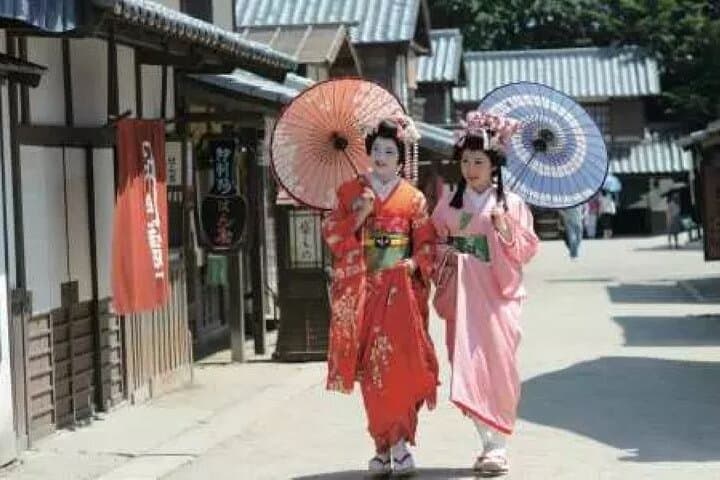
A narrow street of timber storefronts and paper lanterns opens under a bright Kyoto sky; the clang of staged swords and the chatter of costumed visitors fill the air. At Toei Kyoto Studio Park, film crews still roll cameras where Edo-era dramas are made, and visitors move through functioning sets that smell faintly of wood oil and stage smoke.
Verified experiences and guided adventures in the surrounding area.
Operated by TrevoTour Travels · Kyoto, Kyoto Prefecture
A narrow street of timber storefronts and paper lanterns opens under a bright Kyoto sky; the clang of staged swords and the chatter of costumed visitors fill the air. At Toei Kyoto Studio Park, film crews still roll cameras where Edo-era dramas are made, and visitors move through functioning sets that smell faintly of wood oil and stage smoke.
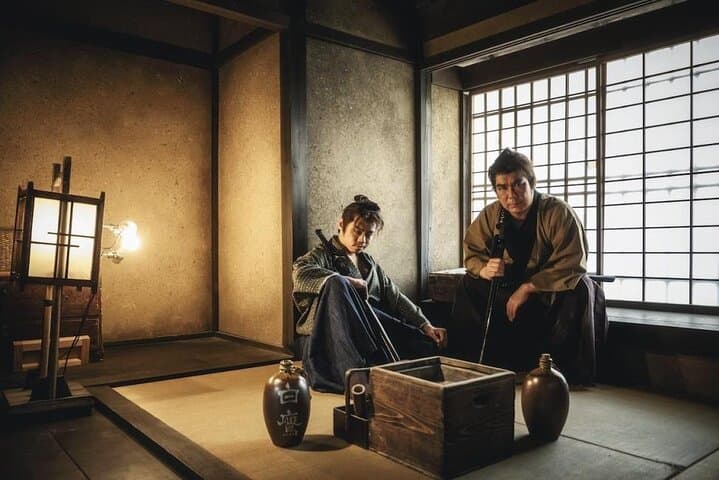
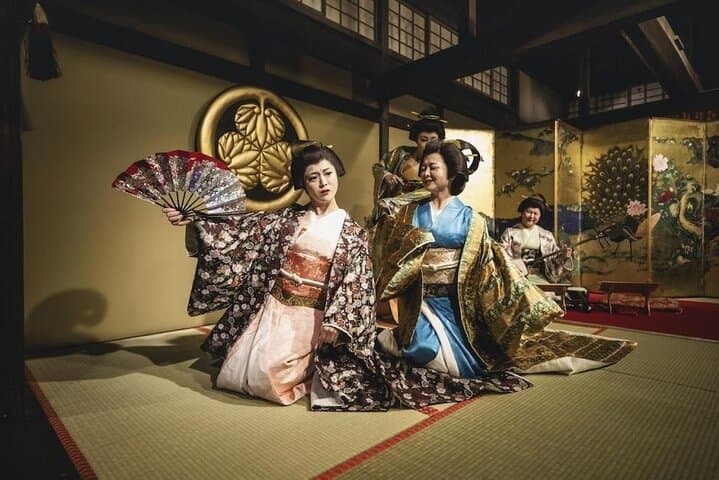
Originally built as a working studio and theme park, the site preserves and recreates urban Edo streets used in historical films and television. The park sits in Uzumasa, a neighborhood with deep ties to Japan’s film industry, where brick-and-mortar workshops and modern production facilities meet traditional craft. Cultural touchstones—samurai armor, geisha dress, ninja theatrics—are presented alongside exhibits for Kamen Rider and Super Sentai, reflecting contemporary pop culture’s link to period storytelling.
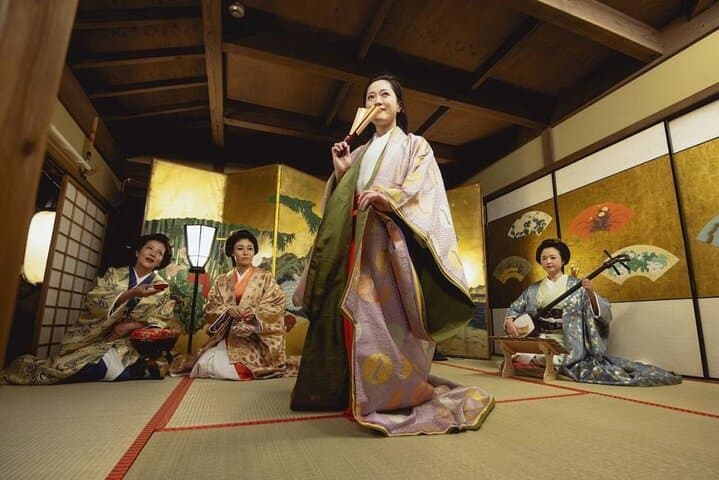
Visitors can attend live sword-fighting and ninja shows, explore trick houses, and opt for a period costume experience that includes dressing, limited walking time on set, and photo opportunities. Practical details matter: the park opens around 09:00 with last admission near 15:00 for some experiences, and part of the outdoor set may close in bad weather. Public transit access is simple—short walks from Randen Kitano Line and JR Sagano Line stations.
Plan for a full day if combining shows and costume options, bring cash or an IC card for smaller shops, and allow time for makeup and dressing. Respect costume rules (no eating, drinking, or smoking in costume) and arrive early to secure appointment slots—this keeps the experience cinematic and safe for everyone.
easy.
7–8 hours.
Suitable for most visitors who can walk short distances and stand for shows; not physically demanding.
Arrive at least 30–60 minutes before your scheduled dressing time; makeup options add about 60 minutes and last walking slots are early afternoon.
Yes—children from 5 years old and at least 110 cm may join, but different sizing rules apply up to 145 cm using the children’s menu.
The park notes wheelchair access in many areas, but some costume experiences and outdoor sets may be limited for safety—notify staff of special requirements in advance.
Yes—eating, drinking, and smoking are not permitted in costume; glasses may not be worn with wigs and certain garments restrict movement.
Uzumasa developed as a film-production hub in the 20th century; Toei Studio Park preserves working sets used in samurai cinema and television.
The park limits outdoor costume walks during bad weather to protect historic set facades and costumes; visitors are asked to follow rules that reduce wear on period elements.
TrevoTour Travels operates guided outdoor trips and adventures with an emphasis on safety, stewardship, and memorable experiences.
A narrow street of timber storefronts and paper lanterns opens under a bright Kyoto sky; the clang of staged swords and the chatter of costumed visitors fill the air. At Toei Kyoto Studio Park, film crews still roll cameras where Edo-era dramas are made, and visitors move through functioning sets that smell faintly of wood oil and stage smoke.
A narrow street of timber storefronts and paper lanterns opens under a bright Kyoto sky; the clang of staged swords and the chatter of costumed visitors fill the air. At Toei Kyoto Studio Park, film crews still roll cameras where Edo-era dramas are made, and visitors move through functioning sets that smell faintly of wood oil and stage smoke.
Originally built as a working studio and theme park, the site preserves and recreates urban Edo streets used in historical films and television. The park sits in Uzumasa, a neighborhood with deep ties to Japan’s film industry, where brick-and-mortar workshops and modern production facilities meet traditional craft. Cultural touchstones—samurai armor, geisha dress, ninja theatrics—are presented alongside exhibits for Kamen Rider and Super Sentai, reflecting contemporary pop culture’s link to period storytelling.
Visitors can attend live sword-fighting and ninja shows, explore trick houses, and opt for a period costume experience that includes dressing, limited walking time on set, and photo opportunities. Practical details matter: the park opens around 09:00 with last admission near 15:00 for some experiences, and part of the outdoor set may close in bad weather. Public transit access is simple—short walks from Randen Kitano Line and JR Sagano Line stations.
Plan for a full day if combining shows and costume options, bring cash or an IC card for smaller shops, and allow time for makeup and dressing. Respect costume rules (no eating, drinking, or smoking in costume) and arrive early to secure appointment slots—this keeps the experience cinematic and safe for everyone.