THE ADVENTURE COLLECTIVE® · Independent discovery and booking for outdoor travel

Visit Titanic Belfast to follow the ship’s build, launch and legacy through ten interactive galleries, plus a walk aboard SS Nomadic. This practical guide covers what to expect, timing, accessibility and on-site tips to make the most of a 2–3 hour visit.
Visit Titanic Belfast to follow the ship’s build, launch and legacy through ten interactive galleries, plus a walk aboard SS Nomadic. This practical guide covers what to expect, timing, accessibility and on-site tips to make the most of a 2–3 hour visit.
You step off the quay and the building’s faceted aluminum skin catches the cold light of Belfast Lough, a hull-shaped museum rising where Harland & Wolff once built giants. The river nudges the slipways below as the Shipyard Ride spits you into the roar of 1911 launch day, and the galleries open like ship’s compartments—each one asking you to look closer.
Verified experiences and guided adventures in the surrounding area.
Operated by Titanic Belfast Ltd · Belfast, Northern Ireland
You step off the quay and the building’s faceted aluminum skin catches the cold light of Belfast Lough, a hull-shaped museum rising where Harland & Wolff once built giants. The river nudges the slipways below as the Shipyard Ride spits you into the roar of 1911 launch day, and the galleries open like ship’s compartments—each one asking you to look closer.
Titanic Belfast maps the ship’s story against Belfast’s industrial surge: the geology of reclaimed docks, the engineering feats of riveted steel and pneumatic hammers, and the social fabric of a port city that swelled with workers, immigrants and ambition. Nearby SS Nomadic, the last White Star Line tender, offers tactile context—a wooden deck and brass fittings that age translates into clarity.
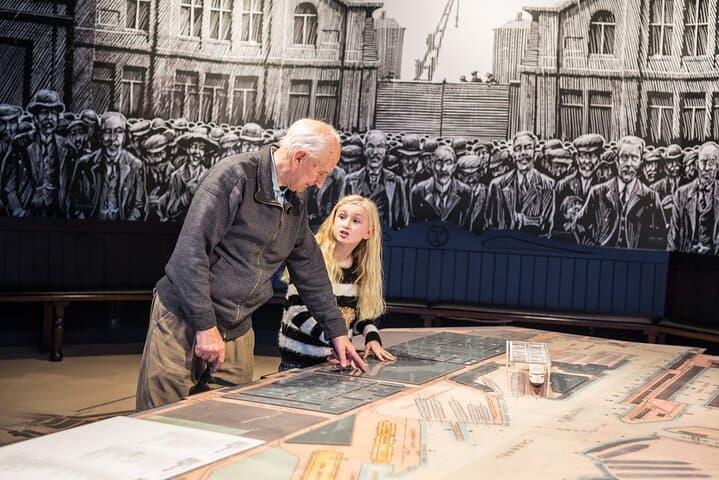
Culturally, the site ties into Northern Ireland’s maritime identity and the city’s recent regeneration, where cranes and old slipways sit beside new tech firms and cafés. Expect audiovisual installations, interactive exhibits, and archival photos; the experience balances spectacle with documentary detail.
Practical guidance: allow 2–3 hours to move through ten galleries and visit SS Nomadic; audio guides cost extra. The venue is wheelchair and stroller accessible, but SS Nomadic has some steep gangways. Arrive 10 minutes before your slot, check SS Nomadic opening on the day (it can close for events), and consider an early morning or late afternoon slot to avoid peak crowds. Wear comfortable shoes for standing and walking, and bring a portable charger—there’s a lot to photograph and little time to refill batteries.
easy.
2–3 hours.
Suitable for all fitness levels; involves standing and walking on flat and some sloped surfaces
Most visitors spend 2–3 hours to complete the ten galleries and visit SS Nomadic; longer if you read every display.
SS Nomadic can close for private events—check availability on your date and staff can advise if it’s closed and offer an alternative booking within the year.
Audio guides are not included with standard admission but are available to purchase on arrival for additional context.
The Titanic Belfast galleries and site are wheelchair accessible; however, SS Nomadic has limited accessibility due to its historic design—contact the venue for assistance.
Titanic Belfast sits on the original Harland & Wolff shipyard where RMS Titanic was designed and built in the early 20th century, using local labor and steelwork.
The attraction focuses on preserving industrial heritage and encourages low-impact visits; stick to paths and follow site rules to protect historic fabric and waterfront habitats.
Titanic Belfast Ltd operates guided outdoor trips and adventures with an emphasis on safety, stewardship, and memorable experiences.
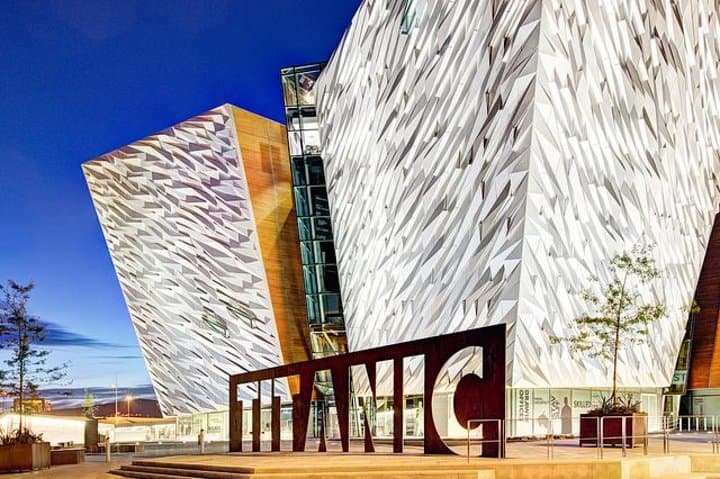
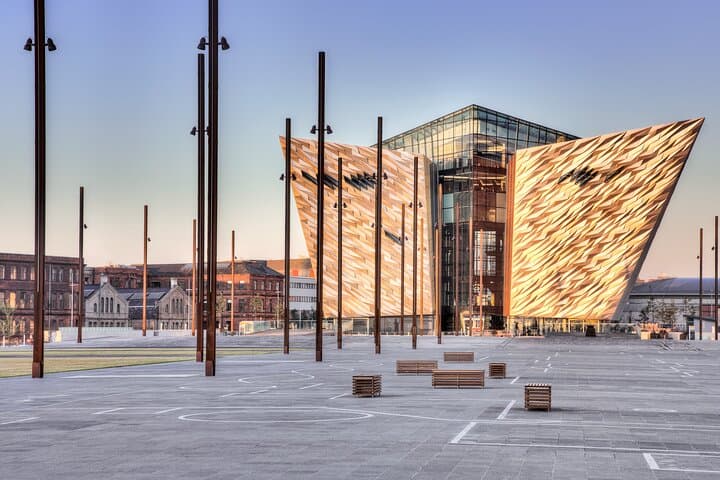
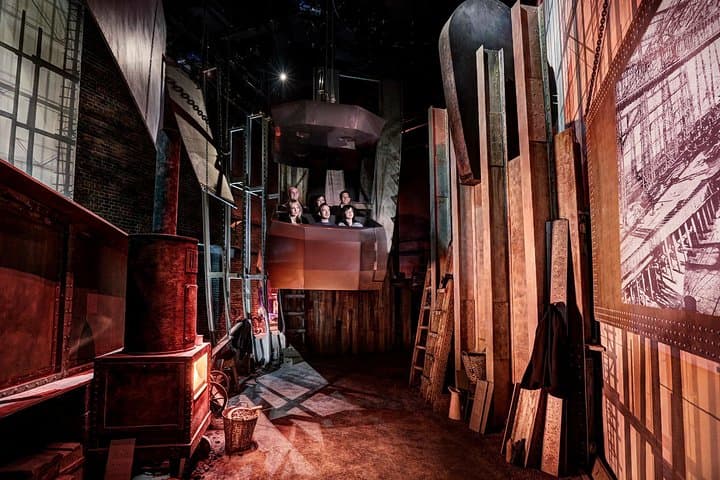
You step off the quay and the building’s faceted aluminum skin catches the cold light of Belfast Lough, a hull-shaped museum rising where Harland & Wolff once built giants. The river nudges the slipways below as the Shipyard Ride spits you into the roar of 1911 launch day, and the galleries open like ship’s compartments—each one asking you to look closer.
You step off the quay and the building’s faceted aluminum skin catches the cold light of Belfast Lough, a hull-shaped museum rising where Harland & Wolff once built giants. The river nudges the slipways below as the Shipyard Ride spits you into the roar of 1911 launch day, and the galleries open like ship’s compartments—each one asking you to look closer.
Titanic Belfast maps the ship’s story against Belfast’s industrial surge: the geology of reclaimed docks, the engineering feats of riveted steel and pneumatic hammers, and the social fabric of a port city that swelled with workers, immigrants and ambition. Nearby SS Nomadic, the last White Star Line tender, offers tactile context—a wooden deck and brass fittings that age translates into clarity.
Culturally, the site ties into Northern Ireland’s maritime identity and the city’s recent regeneration, where cranes and old slipways sit beside new tech firms and cafés. Expect audiovisual installations, interactive exhibits, and archival photos; the experience balances spectacle with documentary detail.
Practical guidance: allow 2–3 hours to move through ten galleries and visit SS Nomadic; audio guides cost extra. The venue is wheelchair and stroller accessible, but SS Nomadic has some steep gangways. Arrive 10 minutes before your slot, check SS Nomadic opening on the day (it can close for events), and consider an early morning or late afternoon slot to avoid peak crowds. Wear comfortable shoes for standing and walking, and bring a portable charger—there’s a lot to photograph and little time to refill batteries.